+86 18513032986


AI Data Centers Drive Urgent Demand for Reliable Power Equipment
Admin 2026-01-12As the U.S. faces surging electricity demand from AI data centers, power infrastructure is struggling to keep pace. According to the Wall Street Journal, energy prices have become a top political and economic issue, with the federal government pushing the Federal Energy Regulatory Commission to accelerate approvals for data center–related power projects.
The race is on: whether the power equipment industry can ramp up production quickly enough will determine if AI expansion keeps pace with grid upgrades. Transformers, switchgear, and distribution panels are at the heart of this challenge—delays in manufacturing or supply can directly impact project timelines.
What Makes a Power Equipment Factory Ready for AI Demand?
To meet AI data center requirements, a factory must be able to deliver at scale without compromising safety or reliability. Key capabilities include:
Full Certification
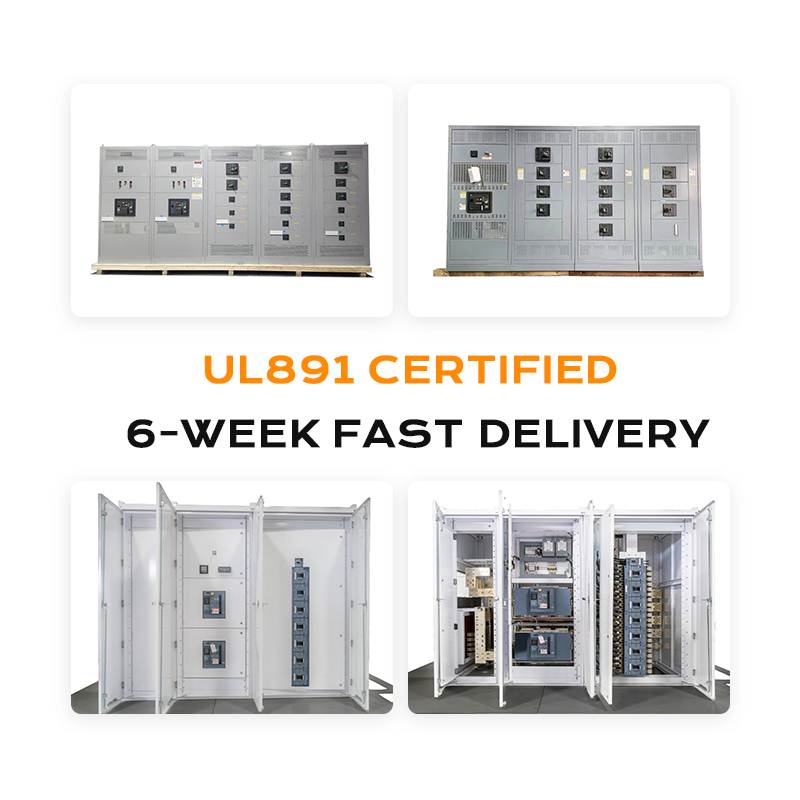
Compliance with UL, IEC, and other global standards ensures equipment is safe, reliable, and inspection-ready, minimizing delays during commissioning.
Stable Raw Material Supply
Critical resources like copper directly impact production costs and timelines. Recent copper price surges have pushed up transformer prices, highlighting how supply chain stability influences the ability to deliver high-demand equipment.
High Production Capacity and Smart Layout
Efficient, modular production lines allow rapid switching between equipment types and specifications. Automated assembly and testing help shorten lead times and support custom configurations.
Strong Technical and Engineering Expertise
Experienced teams can handle custom voltage levels, extreme environment requirements, and protective features such as IP-rated enclosures or explosion-proof designs, ensuring reliable performance under demanding conditions.
In the context of AI-driven energy demand, factories with these capabilities are essential partners for EPCs, procurement teams, and engineers. Selecting the right transformer, switchgear, and distribution panel supplier is no longer optional—it’s critical for keeping projects on schedule and ensuring the grid can meet next-generation demands.
For exclusive deals and latest offers, sign up by entering your email address below.



 +86 18513032986
 FLC Center, Chaoyang District, Beijing, China
Copyright © DSJ Electrical Co., Ltd. All Rights Reserved
Power Distribution Equipment & System Manufacturer