+86 18513032986


Home Emergency Backup: Portable Generator vs. Large Home Generator?
Admin 2026-01-16Content
The key to choosing a home emergency backup power source lies in balancing power needs, usage scenarios, and cost. Portable generators, with their flexibility and economy, are the preferred choice for most households dealing with short-term power outages; while large home generators (often referring to backup diesel generators) are more suitable for residences or locations requiring long-term, high-power continuous power supply.
When a sudden power outage disrupts daily life, choosing a suitable emergency generator is crucial. This article will provide an in-depth comparison of the differences between portable generators and large home generators to help you make an informed decision based on your family's specific needs.
I. Core Feature Comparison: Defining Product Positioning
1. Portable Generator
- Power Range: Typically between 1kW and 10kW, covering needs from basic lighting and mobile phone charging to maintaining refrigerators and air conditioners.
- Fuel: Primarily gasoline, propane, or dual-fuel, with relatively convenient fuel availability.
- Usage: Requires manual starting and manual connection to electrical appliances (via extension cord). Must be placed outdoors in a well-ventilated area to avoid carbon monoxide hazards.
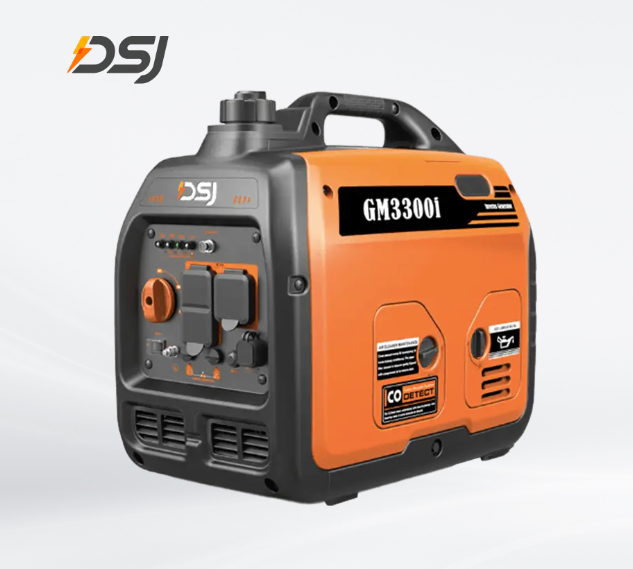
Core Advantages: Affordable price, low purchase threshold; small size and light weight, easy to move and store; suitable not only for home emergencies but also for camping, outdoor work, and other scenarios.
Suitable Families: Urban or suburban families with infrequent power outages lasting no more than 24-48 hours; or users whose primary power needs are to ensure basic household appliances.
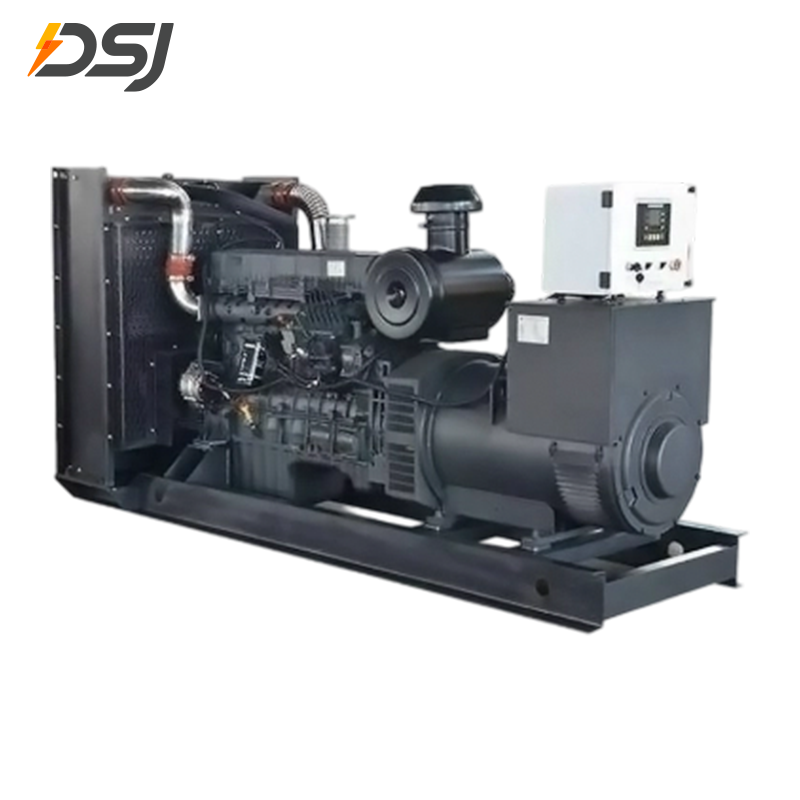
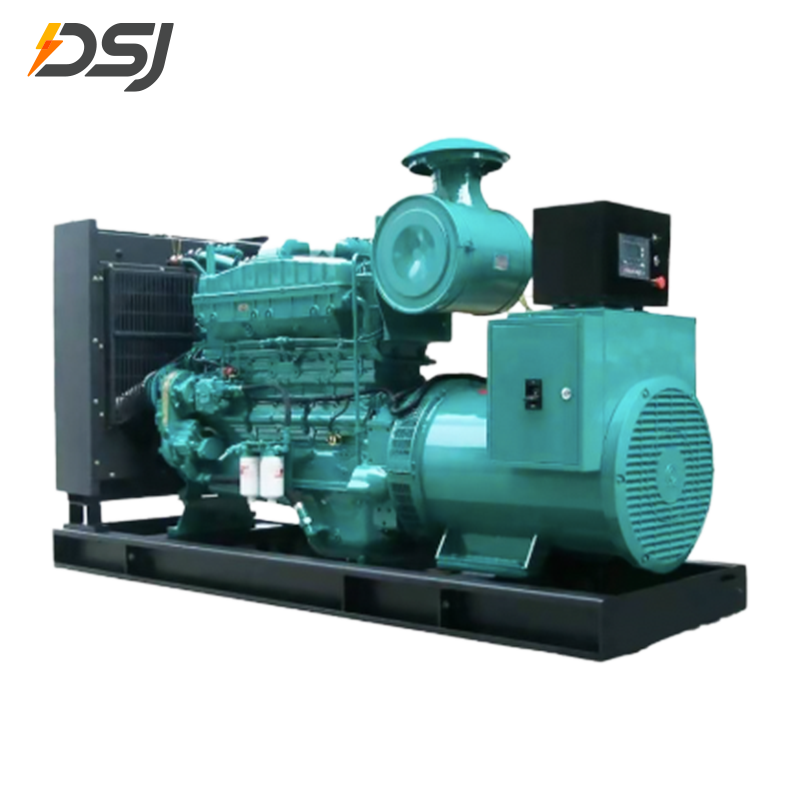
2. Large Household Generator (Backup Generator)
- Power Range: Generally starts from 10kW and can reach over 30kW, capable of providing power to an entire house (including central air conditioning, water pumps, electric stoves, and other high-power equipment).
- Fuel: Typically uses domestic natural gas or liquefied propane; diesel models are also available, ensuring a stable fuel supply.
- Usage: Permanently installed on the exterior of the house, equipped with an automatic transfer switch (ATS). When the mains power is interrupted, the system automatically starts and switches to power supply within tens of seconds.
Core Advantages: Fully automatic operation, no manual intervention required; powerful output, achieving seamless power transition; high safety, compliant with fixed installation standards.
Suitable for: Families in areas with frequent power outages, families with extremely high requirements for power continuity and stability (e.g., those with medical equipment); or residents of large houses with many high-power appliances.
II. Five Decision-Making Dimensions: Identifying Your Family's Essential Needs
1. Power Needs List
The first step is to calculate your family's total emergency power consumption. List the appliances that must remain running (e.g., refrigerator, lighting, router, water pump, electric heater/air conditioner, etc.), and distinguish between starting power and operating power. A 5-8kW portable generator is usually sufficient to maintain basic living and some comfort needs.
2. Budget Considerations (Purchase and Usage Costs)
The initial investment for a portable generator is far lower than that of a large standby generator, which also requires professional installation fees. Furthermore, considering long-term fuel costs, gasoline prices fluctuate significantly, while a standby generator connected to natural gas offers a more stable fuel supply.
3. Ease of Use and Safety
If you seek the ultimate experience of "power restored immediately during a power outage" and do not wish to operate manually in severe weather, then an automatic standby generator is the only option.
Portable generators are a more economical and flexible option if you can accept short periods of manual setup and strictly adhere to safety guidelines for outdoor use in well-ventilated areas. Many newer portable generators also feature safety features such as automatic carbon monoxide shut-off.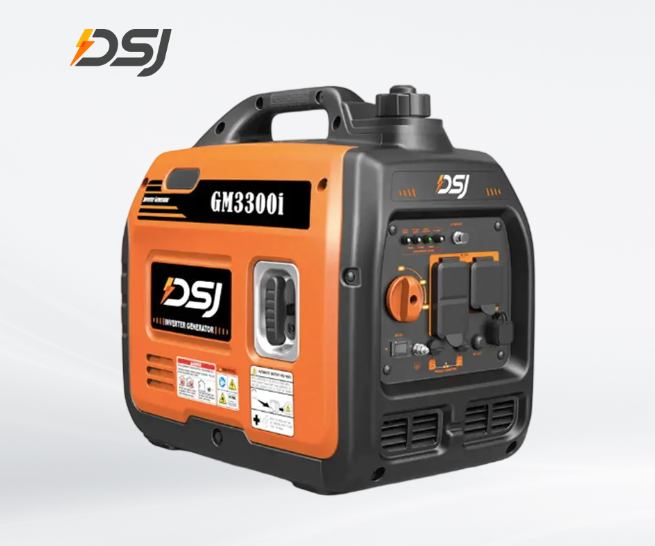
4. Installation and Storage Conditions
Large backup generators require a dedicated outdoor concrete base and professional electrical installation.
Portable generators simply need to be stored in a dry, well-ventilated area and can be easily moved out when needed. This is more convenient for families with limited living space or renting.
5. Maintenance and Care
Both require regular maintenance. Portable generator maintenance (such as oil changes and air filter cleaning) can often be performed by the user. Large backup generators typically require an annual maintenance contract to ensure their automatic start-up system is always ready.
III. Conclusion and Recommendations: Which Home Generator is Right for You?
Choose a portable generator if:
- You have a limited budget and are looking for high cost-effectiveness.
- Power outages are usually short and infrequent.
- You need a device that can handle both home emergencies and outdoor activities (such as road trips and camping).
- Your home lacks the space or facilities to install a permanent generator.
Consider investing in a large home backup generator if:
- You live in an area with an unstable power grid or frequent natural disasters (such as hurricanes or ice storms).
- You have medical equipment in your home that requires continuous power (such as a ventilator).
- You cannot tolerate any delays or inconvenience from manual operation and require a fully automated backup.
- You have a large house with multiple high-powered appliances such as central air conditioning and electric water heaters that need to operate simultaneously.
For exclusive deals and latest offers, sign up by entering your email address below.



 +86 18513032986
 FLC Center, Chaoyang District, Beijing, China
Copyright © DSJ Electrical Co., Ltd. All Rights Reserved
Power Distribution Equipment & System Manufacturer