+86 18513032986


Understanding Disconnect Switches: Substation Type vs. Pole-mounted Type
Admin 2026-04-21Content
Introduction:
A Disconnect Switch (also known as an Isolator) is a vital safety component in high-voltage electrical systems. Its primary job is to provide a visible physical break in a circuit for maintenance or emergency purposes. However, not all disconnect switches are created equal.
1. Substation Disconnect Switches
These are typically installed within high-voltage substations.
- Characteristics: They are usually larger, more complex, and designed for higher voltage ratings (up to 500kV or more). They often feature multi-column designs (Center-break, Double-break, or Vertical-break).
- Function: Used to isolate circuit breakers, transformers, or busbars from the rest of the energized grid so technicians can work safely.
- Key Parameters: Short-circuit withstand current, Rated peak withstand current, and creepage distance (insulation).
2. Pole-mounted Disconnect Switches
Found on overhead distribution lines (the "poles" you see on the street).
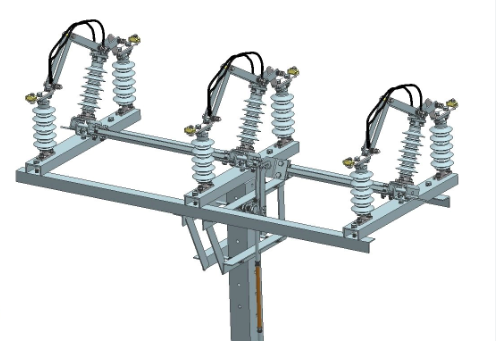
- Characteristics: These are more compact and weather-resistant to withstand harsh outdoor environments. They are often operated manually from the ground via a long operating rod or a handle.
- Function: They allow utility workers to segment distribution lines, isolating specific sections for repair without shutting down the entire neighborhood's power.
- Key Parameters: Rated voltage (typically 11kV, 24kV, or 33kV), Rated current (400A to 1250A), and UV resistance of the insulators.
Comparison Table:
|
Feature |
Substation Disconnect Switch |
Pole-mounted Disconnect Switch |
|
Voltage Level |
High to Ultra-high Voltage |
Medium Voltage (Distribution) |
|
Mechanism |
Motorized or Manual Gearbox |
Manual Hook-stick or Handle |
|
Environment |
Controlled Substation Yard |
Exposed Outdoor Utility Poles |
|
Complexity |
High (often with earth switches) |
Moderate/Simple |
For exclusive deals and latest offers, sign up by entering your email address below.



 +86 18513032986
 FLC Center, Chaoyang District, Beijing, China
Copyright © DSJ Electrical Co., Ltd. All Rights Reserved
Power Distribution Equipment & System Manufacturer