+86 18513032986


What is a Dropout Fuse? The Ultimate Protection for Distribution Transformers
Admin 2026-04-24Content
Introduction:
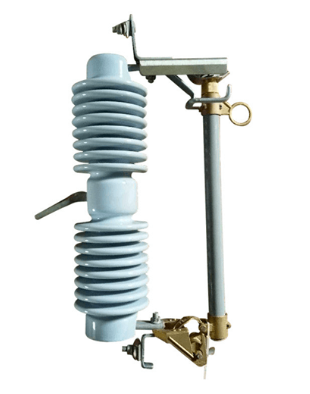
In the world of outdoor power distribution, the Dropout Fuse (or Fuse Cutout) is one of the most cost-effective and visual methods of circuit protection. If you’ve ever seen a component "drop down" from a power line after a loud bang, you’ve seen a dropout fuse doing its job.
What is a Dropout Fuse?
A dropout fuse is a combination of a fuse and a switch. It is used to protect the primary side of distribution transformers and distribution lines from overcurrents and short circuits.
How Does it Work?
When a fault (short circuit or overload) occurs, the fuse link inside the tube melts. This triggers a mechanical release, allowing the fuse holder to swing down under its own weight. This "dropout" action serves two purposes:
1. Circuit Interruption:
It physically breaks the circuit.
2. Visual Indication:
It allows maintenance crews to quickly identify which phase or transformer has a fault from a distance.
Key Technical Parameters:
- Rated Voltage: Common ratings include 11kV, 15kV, 27kV, and 33kV.
- Breaking Capacity (Interrupting Rating): The maximum fault current the fuse can safely interrupt (e.g., 8kA, 12kA).
- Insulation Material: Porcelain or Polymer (Silicone Rubber). Polymer is preferred for its light weight and anti-pollution properties.
- Fuse Link Type: Type K (fast) or Type T (slow) curves, depending on the protection coordination needed.
Application Scenarios:
- Transformer Protection: Installed on the high-voltage side of distribution transformers to prevent damage from internal faults.
- Branch Line Protection: Used at the junction where a smaller line branches off a main feeder to localize power outages.
For exclusive deals and latest offers, sign up by entering your email address below.



 +86 18513032986
 FLC Center, Chaoyang District, Beijing, China
Copyright © DSJ Electrical Co., Ltd. All Rights Reserved
Power Distribution Equipment & System Manufacturer