+86 18513032986


What Makes CSA Standard Transformers Different for the Canadian Market?
Admin 2026-07-24Canada is an important market for distribution transformers, pad-mounted transformers, and industrial power equipment. But transformers exported to Canada cannot be treated as ordinary IEC or ANSI products with a different nameplate. Canadian projects often require CSA-related standards, utility specifications, strict efficiency expectations, and strong outdoor durability.
For buyers, the key question is simple: what makes a CSA standard transformer different?
1. Safety and standard alignment
CSA is one of the major standards and certification systems used in Canada. For transformers, Canadian projects may involve requirements related to CSA transformer standards, the Canadian Electrical Code, local utility rules, and project-specific specifications.
Depending on the transformer type, relevant requirements may cover insulation level, temperature rise, short-circuit capability, dielectric tests, enclosure construction, grounding, nameplates, bushings, accessories, and routine testing.
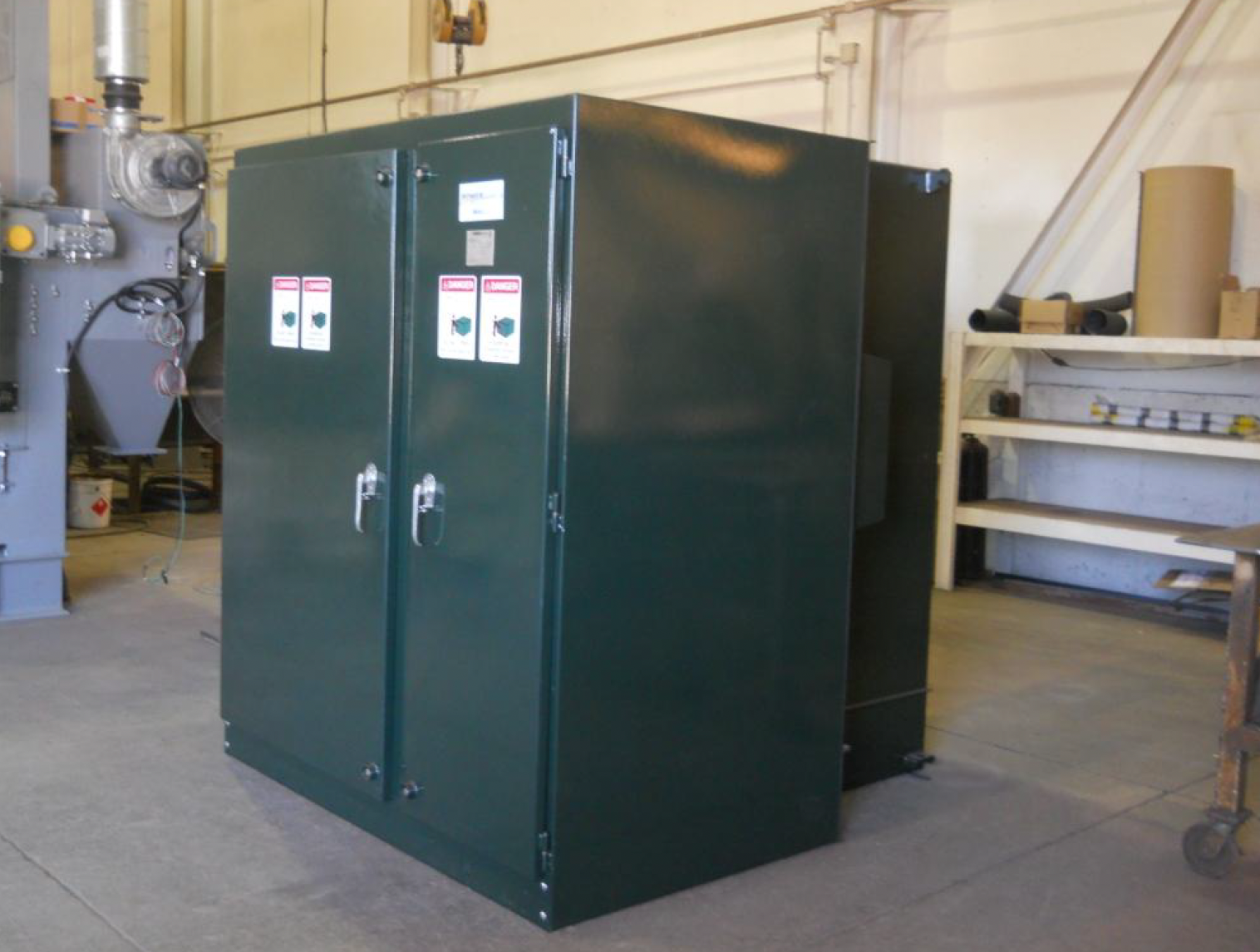
For pad-mounted distribution transformers, Canadian practice is close to North American utility practice. This means dead-front or live-front configurations, separable connectors, tamper-resistant enclosures, bayonet fuses, load-break switches, pressure relief devices, oil level indicators, temperature indicators, and other accessories may be required according to the project.
2. Efficiency is a major focus
Transformer efficiency is especially important because distribution transformers operate continuously. Even when the load is low, no-load loss is still present. Over years of operation, small differences in loss values can become significant energy costs.
Canadian transformer projects often pay close attention to no-load loss, load loss, and minimum efficiency requirements. For liquid-filled distribution transformers, CSA C802.1 is commonly referenced for efficiency performance. Buyers should confirm the required efficiency level, test method, rated capacity range, and whether the project has additional utility loss evaluation requirements.
From a manufacturing point of view, higher efficiency usually requires better core material, optimized magnetic flux density, suitable conductor sizing, and careful winding design. It may increase initial cost, but it can reduce operating cost over the transformer’s life.
3. Cold climate and outdoor operation
Canada has a wide range of climates, from humid coastal areas to extremely cold inland regions. Outdoor transformers must be designed for real environmental conditions.
Cold temperature can affect insulating oil performance, gaskets, seals, mechanical operation of accessories, and coating durability. For oil-immersed transformers, the selected insulating liquid should remain suitable for the expected minimum ambient temperature. Accessories such as pressure relief devices, tap changers, gauges, and bushings should also be appropriate for the environment.
4. Surface coating and corrosion protection
Surface coating is not just cosmetic in Canada. Outdoor transformers may face snow, ice, rain, UV exposure, road salt, coastal air, and industrial pollution. A weak coating system can lead to rust, poor appearance, and reduced enclosure life.
For Canadian pad-mounted transformers, customers and utilities often specify strong corrosion-resistant paint systems. This may include surface preparation, primer, topcoat, coating thickness control, adhesion performance, impact resistance, and salt-spray or corrosion-resistance expectations.
For manufacturers, the coating process must be controlled carefully. Good steelwork with poor coating is still a weak product.
5. Enclosure security and serviceability
Pad-mounted transformers are often installed in public or semi-public areas. The enclosure must protect people from live parts and protect the equipment from unauthorized access. Door interlocks, tamper-resistant hardware, proper grounding, warning labels, and clear compartment separation all matter.
At the same time, utility crews need safe and practical access for operation and maintenance. A good design balances security with serviceability.
6. Documentation and testing
CSA-oriented projects usually require complete technical documentation. This may include drawings, nameplate data, routine test reports, loss test results, wiring diagrams, accessory lists, paint specifications, and compliance statements.
For export projects, documentation quality is almost as important as product quality. Clear documents reduce communication cost and help customers pass project review.
At DSJ Electrical, we support customers with transformers designed for different international standards, including IEC, ANSI, and CSA-oriented projects. For the Canadian market, we focus on efficiency, low losses, outdoor durability, corrosion-resistant coating, practical accessories, and project documentation.
A CSA standard transformer is not only about meeting a line in a specification. It is about building a transformer that works safely and reliably in Canadian operating conditions, year after year.
For exclusive deals and latest offers, sign up by entering your email address below.



 +86 18513032986
 FLC Center, Chaoyang District, Beijing, China
Copyright © DSJ Electrical Co., Ltd. All Rights Reserved
Power Distribution Equipment & System Manufacturer