+86 18513032986


A Complete Guide to IP Ratings for Electrical Distribution Cabinets: Definitions and Application Scenarios
Admin 2026-06-03In the electrical equipment export industry, one of the most frequent questions from buyers is: "What is the IP rating of this distribution cabinet?" The IP (Ingress Protection) rating is a global standard (IEC 60529) that defines how effectively an electrical enclosure is sealed against "foreign bodies" (dust, tools, fingers) and moisture.
1. Decoding the IP Rating
An IP rating consists of two digits:
- First Digit (0-6): Protection against solids. (0 = No protection; 6 = Dust-tight).
- Second Digit (0-9): Protection against liquids. (0 = No protection; 5 = Water jets; 8 = Continuous immersion).
2. Common IP Ratings and Their Scenarios
Choosing the wrong IP rating can lead to equipment failure or unnecessary costs. Here are the most common applications in the power industry:
- IP20 / IP30 (Indoor Clean Environments):
- Usage: Used for indoor distribution boards in offices or clean control rooms.
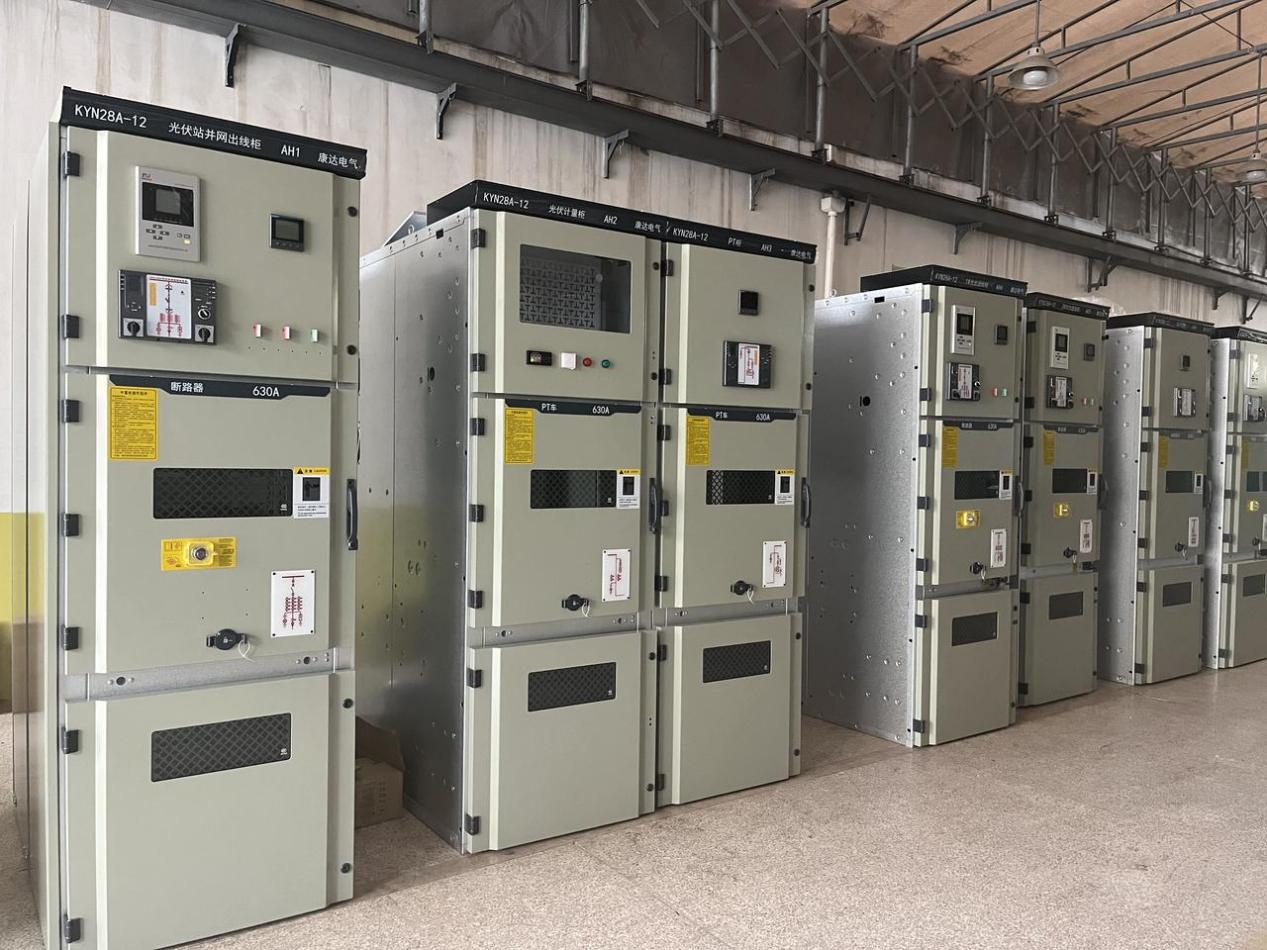
- Protection: Prevents accidental finger contact but offers zero protection against water.[8]
- IP44 (Standard Outdoor/Damp Areas):
- Usage: Suitable for sheltered outdoor areas or industrial workshops.
- Protection: Protected against solid objects larger than 1mm and splashes of water from any direction.
- IP54 / IP55 (Industrial & General Outdoor):
- Usage: The most common rating for outdoor distribution cabinets, kiosks, and transformer enclosures.
- Protection: IP54 offers limited dust protection and water splashes. IP55 can withstand low-pressure water jets, making it ideal for rain-exposed environments.
- IP65 / IP66 (Heavy Industrial & Marine):
- Usage: Used in mining, coastal areas, or environments where high-pressure water cleaning is used.
- Protection: Dust-tight and protected against powerful water jets.[6][8]
- IP67 (Submersible/Extreme Conditions):
- Usage: Underground cable pits or flood-prone areas.
- Protection: The cabinet remains operational even after temporary immersion in water.
3. Why Selecting the Right IP Rating Matters
For importers and EPC contractors, selecting the correct IP rating is a balance between safety and budget. An over-specified IP66 cabinet in a clean indoor room is a waste of capital, while an under-specified IP20 cabinet in a dusty factory is a fire hazard.
Final Expert Tip:
Always consider the cooling requirements. Higher IP ratings (like IP65) mean a tighter seal, which may require additional heat exchangers or specialized air conditioning to prevent the transformers or breakers inside from overheating.
For exclusive deals and latest offers, sign up by entering your email address below.



 +86 18513032986
 FLC Center, Chaoyang District, Beijing, China
Copyright © DSJ Electrical Co., Ltd. All Rights Reserved
Power Distribution Equipment & System Manufacturer