+86 18513032986


AI Is Stress-Testing the Power Grid — and Distribution Equipment Makers Are on the Front Line
Admin 2026-01-08Brian Janous, co-founder of Cloverleaf Infrastructure and former Vice President of Energy at Microsoft, has pointed out that today’s AI projects face growing constraints in power distribution infrastructure—namely permitting timelines, resource availability, and hardware manufacturing capacity.
While permitting processes are unlikely to accelerate meaningfully in the near term, the other two constraints offer more room for action. For power distribution equipment manufacturers, strengthening materials sourcing and expanding production capacity could determine who leads—and who falls behind—in the AI-driven energy transition now underway.
1. Raw Material Constraints Are Becoming a Strategic Risk
Transformers and other core distribution assets depend heavily on bulk commodities, particularly copper. In recent months, major financial outlets such as the Financial Times and Reuters have reported sustained copper price increases, highlighting tightening supply as electrification, renewable energy, and data center demand converge.
For manufacturers, this is no longer merely a cost issue. Building resilient supply chains—spanning responsible mining, recycling, and refining capabilities—is increasingly critical to maintaining output stability and protecting margins in a volatile commodity environment.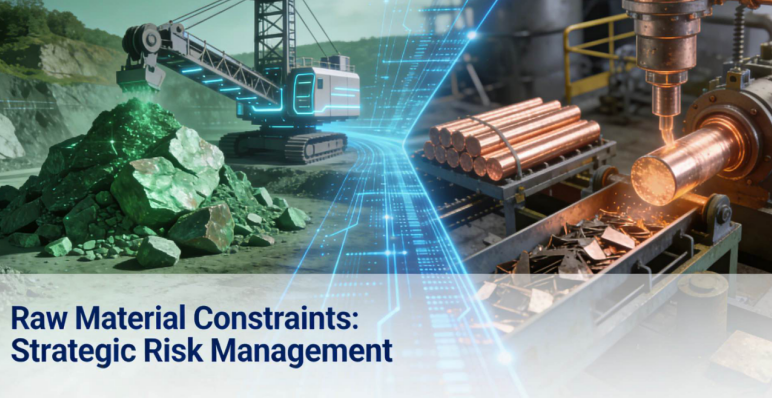
2. A Step Change in Technical Standards and Compliance
AI workloads impose power quality requirements that go well beyond traditional industrial norms. Near-zero tolerance for interruptions means that voltage disturbances previously considered acceptable can no longer be overlooked.
At the same time, the large-scale deployment of power electronics is intensifying harmonic distortion across distribution networks, driving demand for high-capacity active harmonic filters and more advanced power conditioning solutions. Meanwhile, rising power density is reshaping thermal management strategies, accelerating the shift from conventional air-cooling toward more integrated liquid-cooling architectures.
Together, these trends are forcing fundamental changes in how distribution equipment is designed, manufactured, and maintained.
3. Customization vs. Scale: A Structural Tension
Unlike conventional infrastructure projects, AI data centers often require power systems tailored to highly specific load profiles and reliability targets—departing sharply from the industry’s long-standing reliance on standardized designs.
The challenge ahead lies in reconciling deep customization with scalable manufacturing, testing manufacturers’ flexibility, engineering depth, and ability to deliver integrated, system-level solutions rather than standalone products.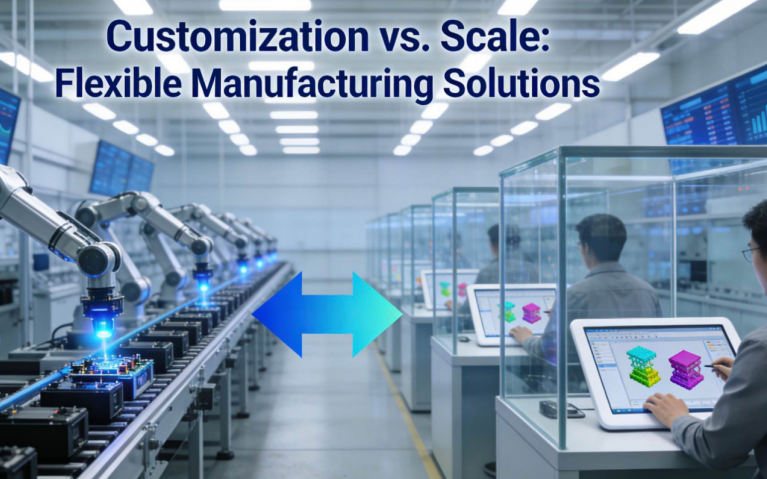
Preparing for a Structural Shift
AI is not merely driving higher electricity demand; it is reshaping the technical and economic foundations of power infrastructure. Distribution equipment suppliers that proactively track these shifts, accelerate R&D investment, and strengthen collaboration across the supply chain will be better positioned to navigate the disruption—and capture the opportunities—that lie ahead.
For exclusive deals and latest offers, sign up by entering your email address below.




 +86 18513032986
 FLC Center, Chaoyang District, Beijing, China
Copyright © DSJ Electrical Co., Ltd. All Rights Reserved
Power Distribution Equipment & System Manufacturer