+86 18513032986


Australian Switchgear Standards and Market Requirements
Admin 2026-06-16In the Australian market, the design, manufacturing, and installation of switchgear must strictly comply with local standards to ensure safety, reliability, and efficient operation. DSJ Electrical, as a manufacturer specializing in the Australian market, holds complete certifications and provides high-quality switchgear solutions that meet the practical needs of engineers and electrical contractors.

1. Core Standard Requirements
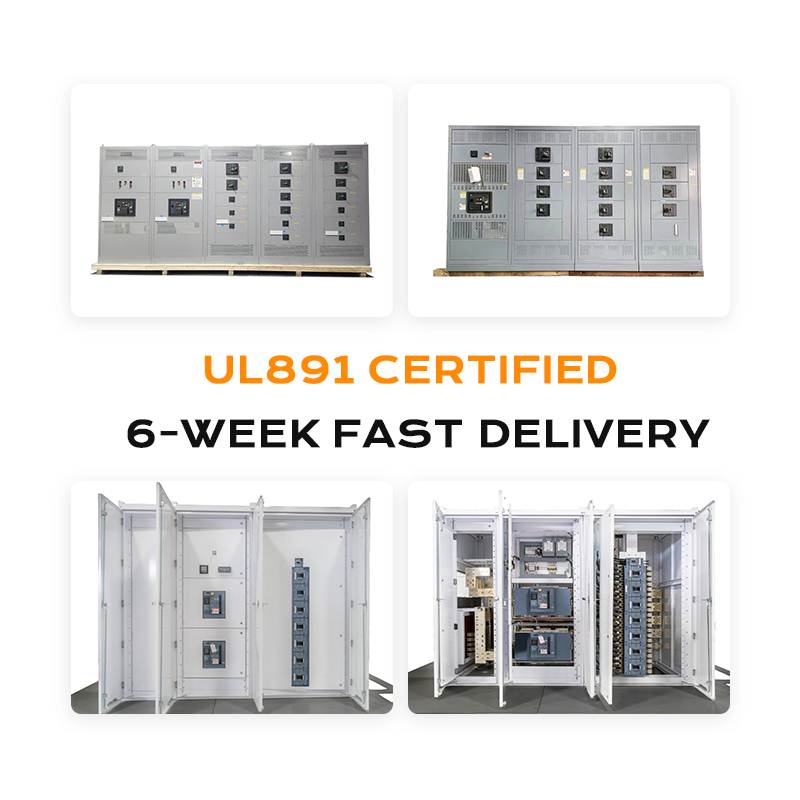
Switchgear in Australia primarily follows the AS/NZS 61439 series, the recognized standard for low-voltage switchboards and controlgear assemblies. It covers both factory-assembled and site-assembled switchgear and specifies requirements for insulation, mechanical strength, protection ratings (IP), temperature rise, and short-circuit withstand capability, ensuring safe and reliable operation in various conditions.
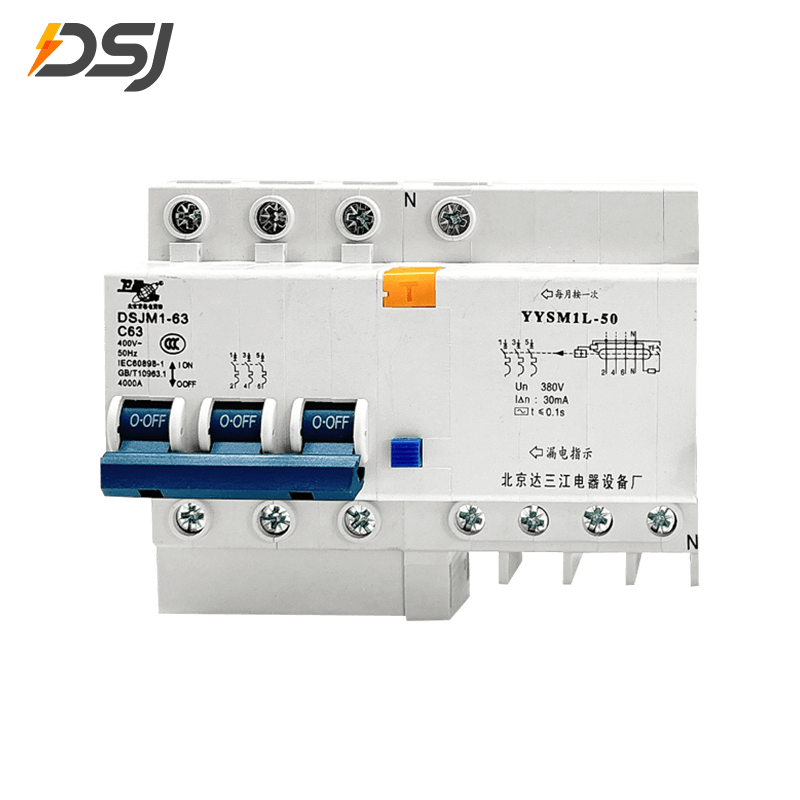
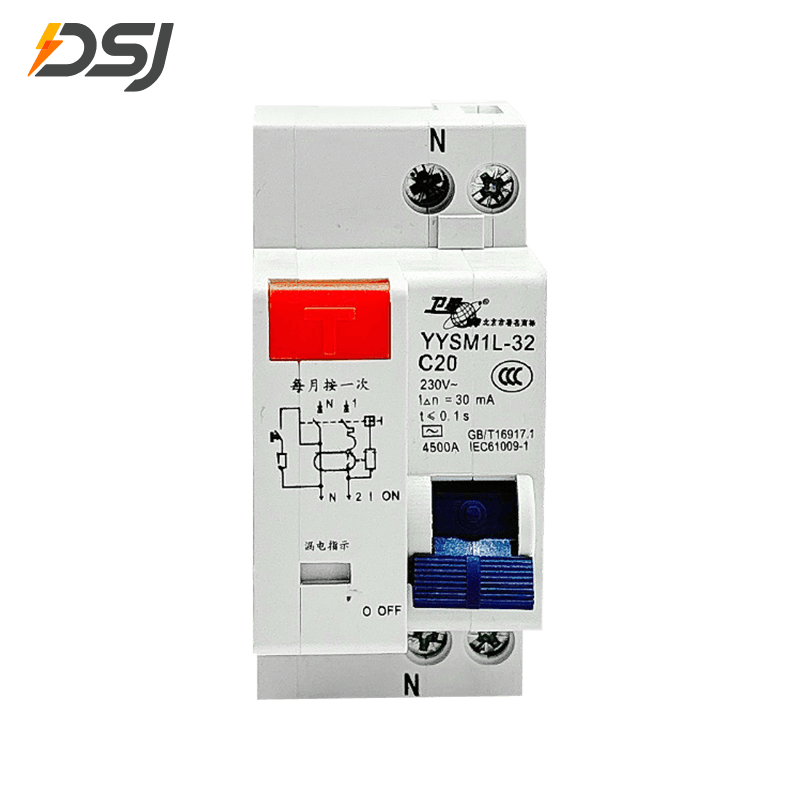
In addition, switchgear must comply with the AS/NZS 3000 Wiring Rules, which regulate grounding, protection against electric shock, and the selection of overcurrent and residual current devices. For example, Australian switchgear typically requires 30mA RCDs and MCB/RCBO devices rated for short-circuit protection to safeguard the electrical system on-site.
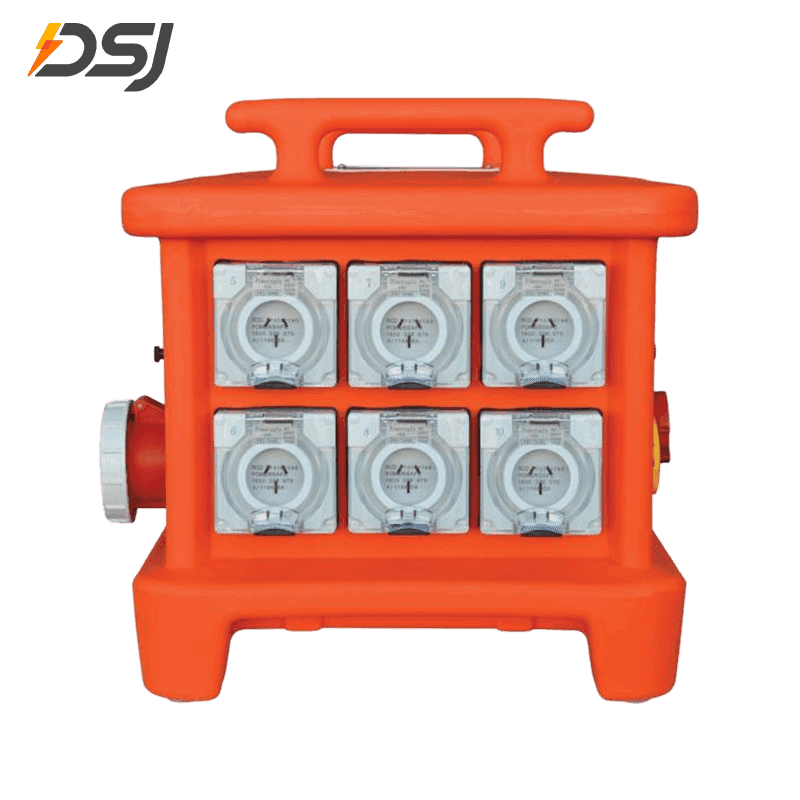
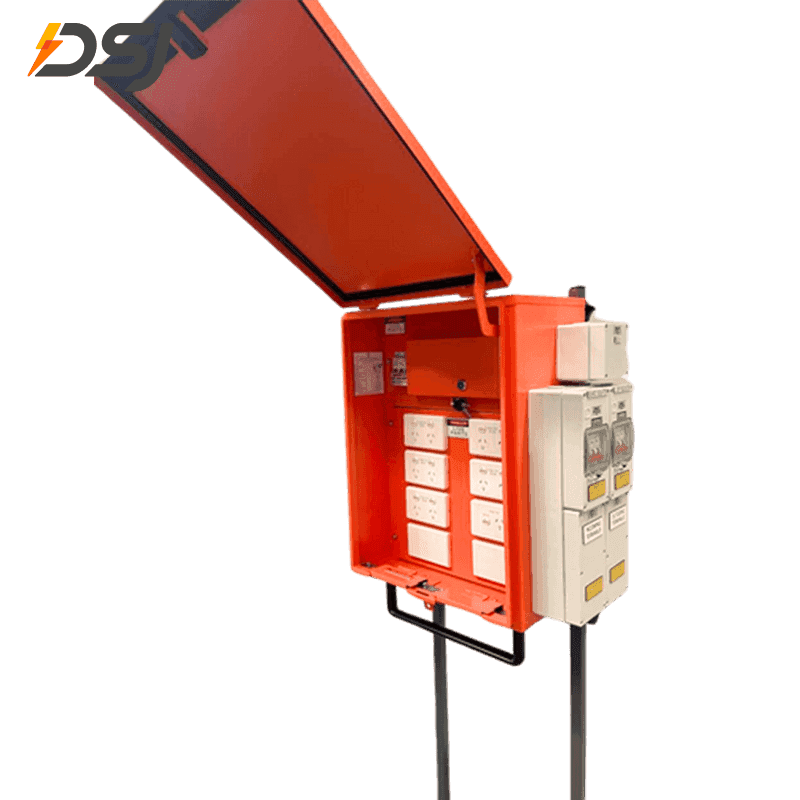
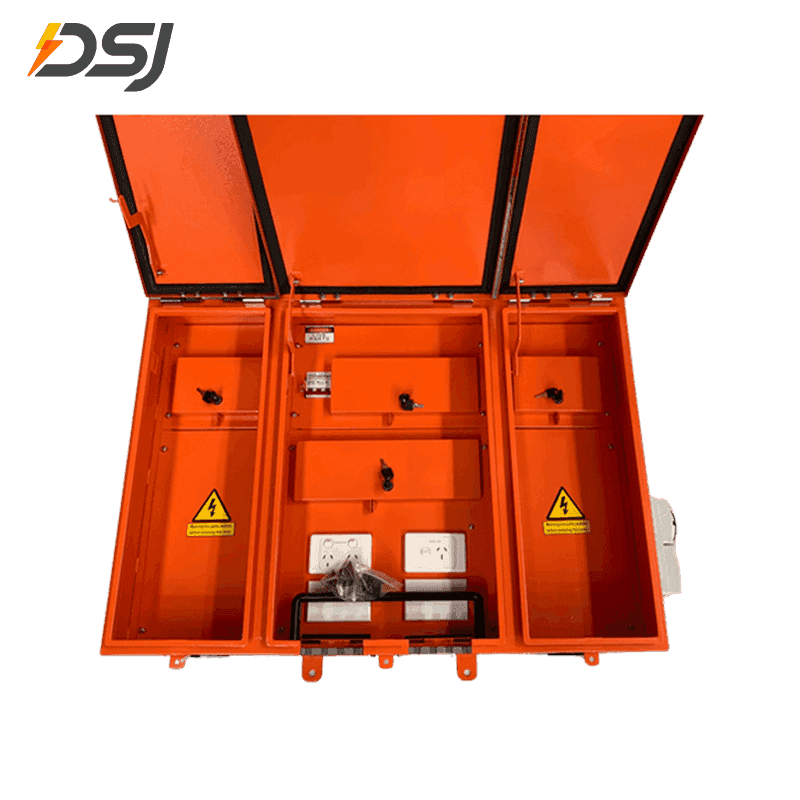
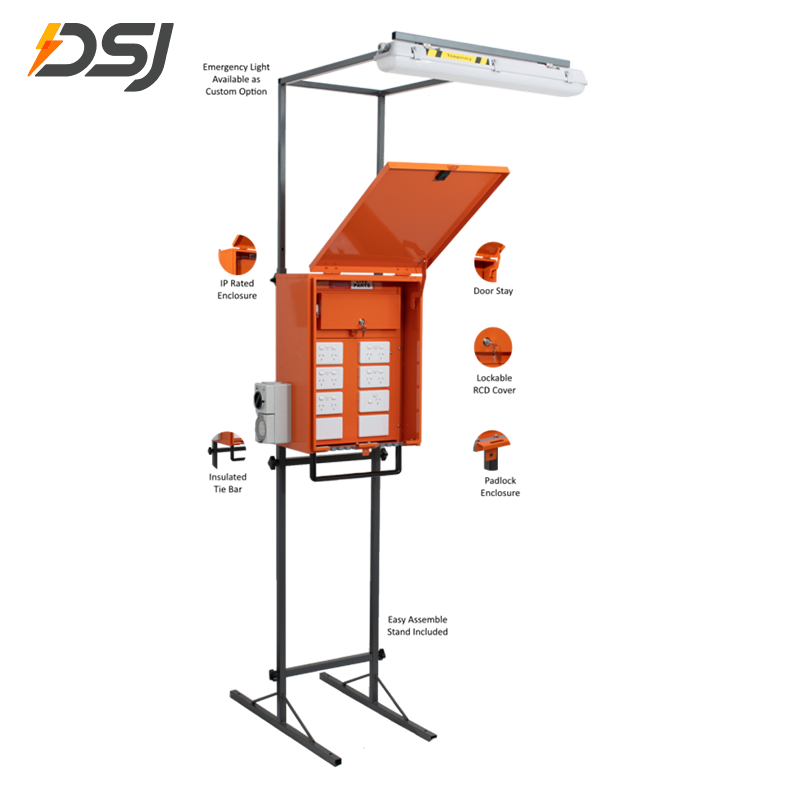
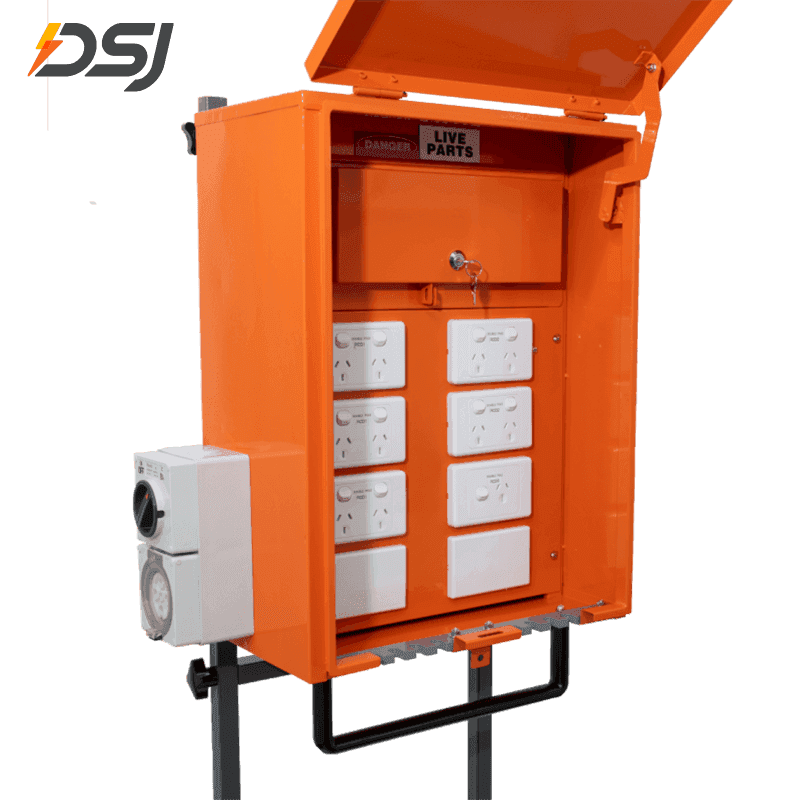
For temporary construction switchboards, AS/NZS 3012 provides specific design and safety requirements, including protection against moisture, dust, and mechanical impact, making them suitable for outdoor construction environments.
2. Protection Ratings and Material Standards
Switchgear must clearly indicate its IP protection rating, with common ratings including IP31, IP42, and IP54, which define the level of protection against dust, water, and other external factors. Critical internal components, such as copper busbars and connectors, must meet the required current-carrying capacity and short-circuit withstand standards, using high-quality materials like electrolytic copper compliant with ASTM B187.
3. Certification and Compliance
Certification is essential for switchgear to be sold and installed in Australia. DSJ Electrical’s products are SAA/RCM certified, confirming compliance with Australian and New Zealand electrical safety regulations. Each switchboard undergoes rigorous testing for temperature rise, insulation, grounding, and short-circuit performance before leaving the factory, and detailed test reports are provided for on-site verification and inspection.
4. DSJ's Professional Advantage
As a manufacturer focused on the Australian market, DSJ Electrical not only understands local standards and certification requirements but also offers customized solutions tailored to client needs. Whether it’s factory-assembled switchboards, modular control panels, or temporary construction switchgear, DSJ ensures reliable, high-performance products backed by comprehensive technical support.
Conclusion
For electrical projects in Australia, selecting switchgear that complies with AS/NZS standards and carries SAA/RCM certification is critical. DSJ Electrical leverages extensive experience and full certification credentials to provide engineers and electrical contractors with high-quality, reliable switchgear solutions that meet local regulatory requirements.
For exclusive deals and latest offers, sign up by entering your email address below.



 +86 18513032986
 FLC Center, Chaoyang District, Beijing, China
Copyright © DSJ Electrical Co., Ltd. All Rights Reserved
Power Distribution Equipment & System Manufacturer