+86 18513032986


DSJ ELECTRIONAL Achieves Full AS/NZS Compliance, Securing RCM Certification for Australian Market Expansion
Admin 2026-06-17DSJ ELECTRICAL, a leading Chinese manufacturer of low-voltage electrical equipment and power distribution solutions, has successfully completed rigorous testing and certification to meet Australia’s stringent AS/NZS standards, officially obtaining the Regulatory Compliance Mark (RCM) certification. This milestone underscores the company’s unwavering commitment to quality, safety, and international compliance, while marking a pivotal step in its strategic expansion into the Australian and New Zealand (ANZ) markets.
The Significance of AS/NZS and RCM Certification for Electrical Exports
Australia and New Zealand maintain one of the world’s most rigorous regulatory frameworks for electrical products, governed by the Electrical Equipment Safety System (EESS) and overseen by the Australian Competition and Consumer Commission (ACCC). The RCM mark—the sole mandatory compliance symbol for ANZ markets—replaced the former SAA (safety) and C-Tick (EMC) marks in 2016, signifying that a product meets all requirements for electrical safety, electromagnetic compatibility (EMC), and energy efficiency under unified AS/NZS standards.
AS/NZS standards, jointly developed by Standards Australia and Standards New Zealand, are harmonized with IEC international norms but include critical regional deviations tailored to Australia’s 230V/50Hz grid, harsh environmental conditions, and strict consumer protection laws. Key applicable standards for DSJ’s product portfolio include:
AS/NZS 3820: Core safety standard for low-voltage electrical equipment, covering insulation, dielectric strength, and fire resistance.
AS/NZS 60335 series: Safety requirements for household and industrial electrical appliances.
AS/NZS CISPR 14: EMC standards for electromagnetic interference and immunity testing.
AS/NZS 4417.2: Labeling and marking requirements for RCM-compliant products, updated in February 2026 (Amendment 1) to align with latest EESS regulations.
Without RCM certification, electrical products are prohibited from sale, distribution, or import into Australia, with non-compliance carrying severe penalties—including customs detention, product recalls, and fines of up to AUD 375,000. For manufacturers like DSJ ELECTRICAL, achieving RCM compliance is not merely a market entry requirement but a testament to product quality and reliability.
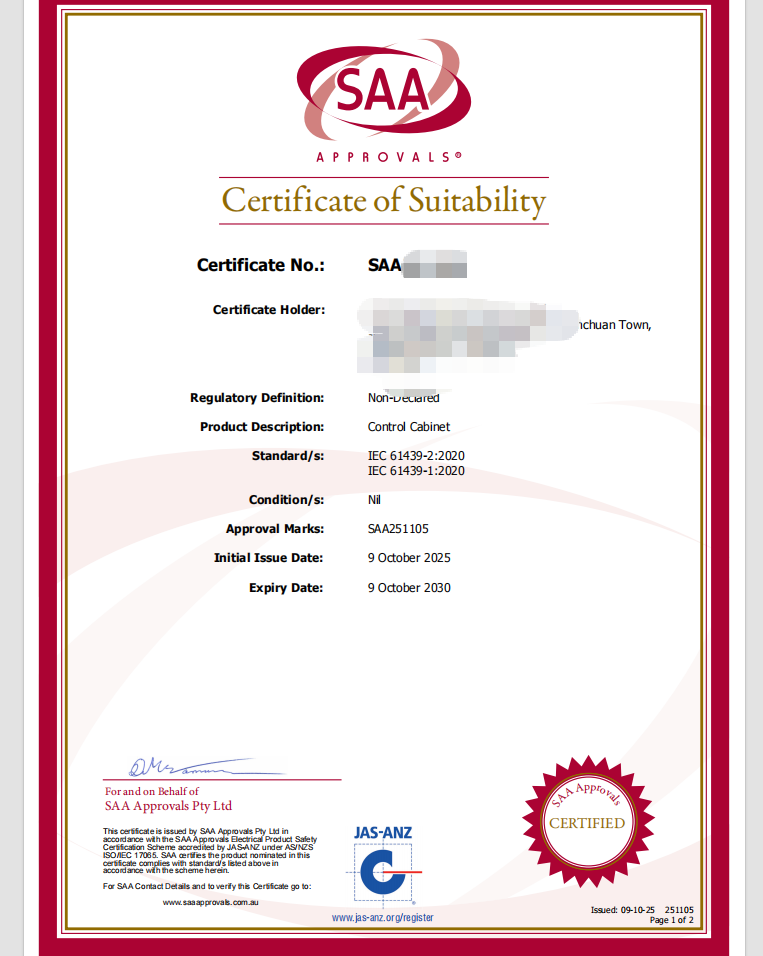
DSJ ELECTRICAL’s Certification Journey: Rigor and Technical Excellence
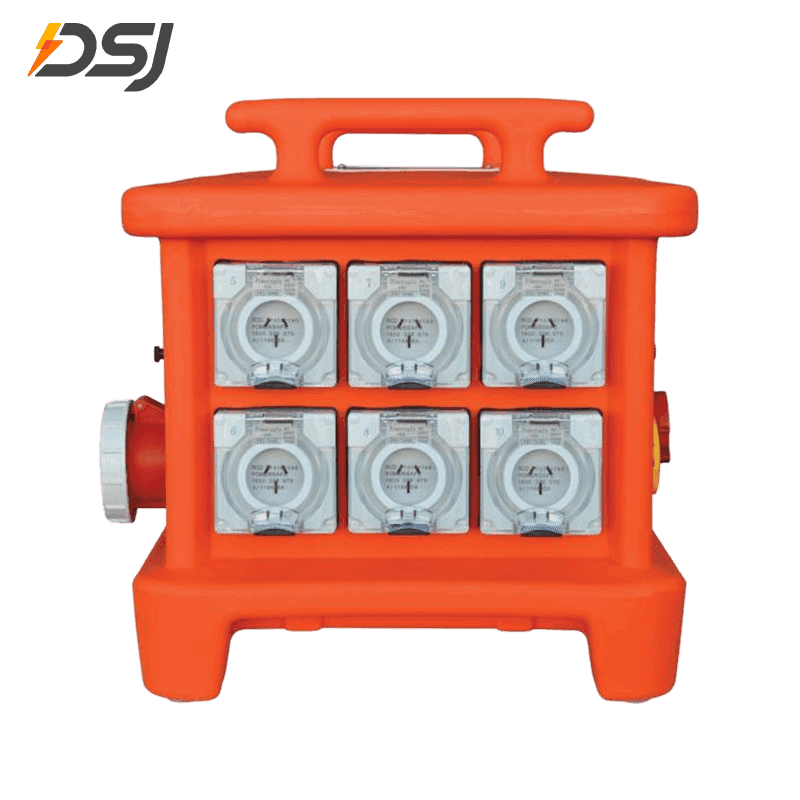
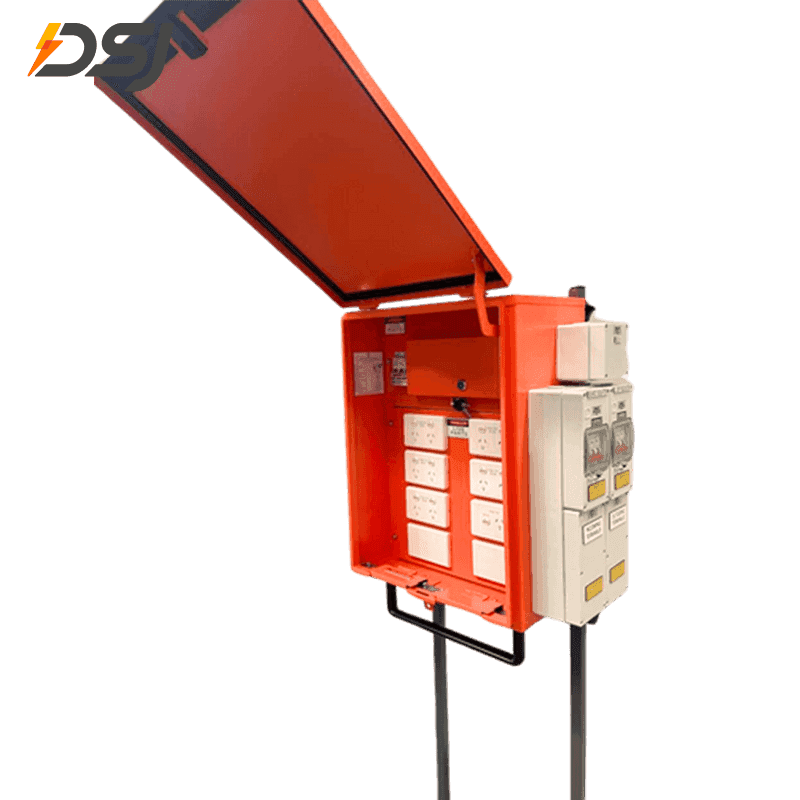
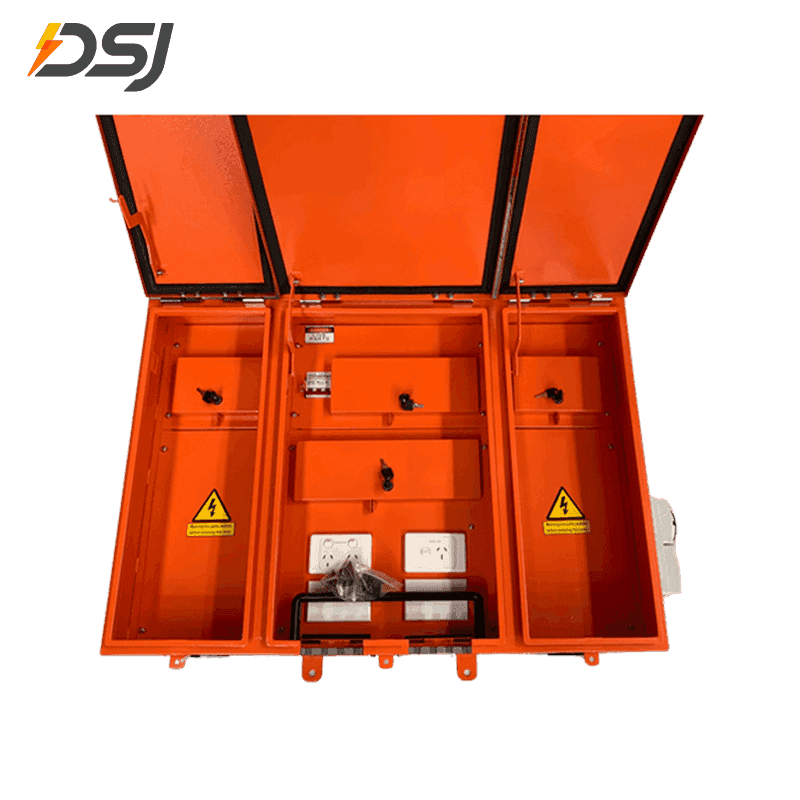
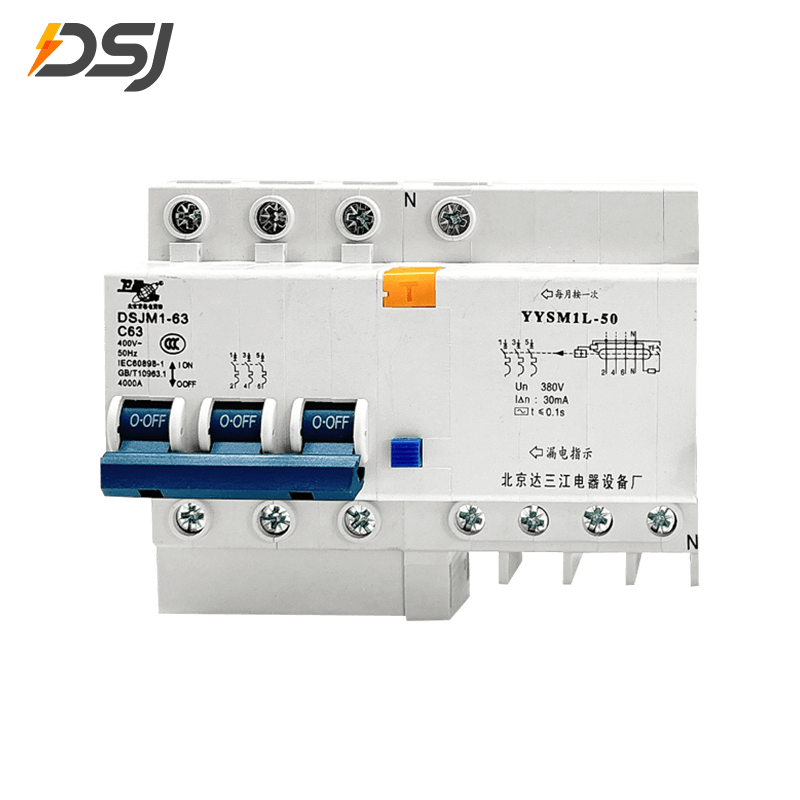
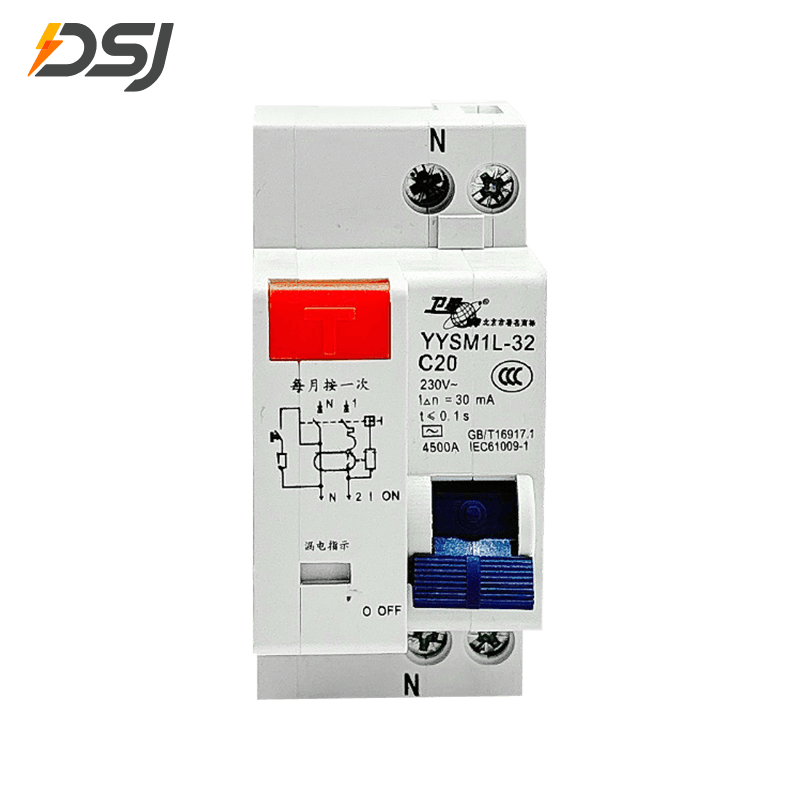
DSJ ELECTRICAL’s path to RCM certification began in early 2025, driven by its strategic goal to penetrate Australia’s booming infrastructure, commercial, and industrial sectors. The company’s product scope targeted for ANZ markets includes low-voltage switchgear, distribution boards, circuit breakers, and control panels—all critical for Australia’s construction, mining, and renewable energy projects.
The certification process demanded uncompromising attention to detail and technical adaptation, led by DSJ’s in-house R&D and quality assurance (QA) teams in collaboration with an ILAC/CNAS-accredited testing laboratory recognized by Australian authorities. Key phases included:
Gap Analysis and Design Adaptation: DSJ engineers conducted a comprehensive review of existing product designs against AS/NZS requirements, identifying deviations in insulation materials, creepage distances, and EMC shielding. Critical modifications were implemented, such as upgrading insulation to withstand 1500V dielectric tests (per AS/NZS 3820) and optimizing circuit layouts to reduce electromagnetic interference.
Rigorous Testing Protocols: Products underwent over 50 individual tests covering electrical safety, EMC, mechanical durability, and environmental resistance (temperature, humidity, and dust). Testing included high-voltage withstand, earth continuity, leakage current, and EMC radiated/conducted emissions—all exceeding AS/NZS minimum thresholds.
Documentation and Regulatory Registration: DSJ compiled a full technical construction file (TCF), including test reports, design drawings, risk assessments, and a Declaration of Conformity (DoC). The company also appointed an Australian-based authorized representative to manage EESS database registration and post-market surveillance compliance— a mandatory requirement for overseas manufacturers.
RCM Marking Implementation: Following certification, DSJ updated product labeling to include the RCM mark, supplier code, and compliance information as specified in AS/NZS 4417.2:2020 Amendment 1 (effective February 2026), ensuring full traceability and regulatory transparency.
Strategic Implications: Strengthening Global Competitiveness and ANZ Market Penetration
The achievement of AS/NZS compliance and RCM certification marks a transformative milestone for DSJ ELECTRICAL, with far-reaching strategic implications for its global operations:
Unrestricted Access to High-Growth ANZ Markets
Australia’s electrical equipment market is valued at over AUD 8 billion annually, driven by large-scale infrastructure projects (e.g., renewable energy farms, transport upgrades), commercial construction, and industrial modernization. RCM certification eliminates the primary regulatory barrier, enabling DSJ to directly supply Australian contractors, distributors, and end-users—including key clients in the mining, utilities, and building sectors.
Enhanced Brand Credibility and Quality Differentiation
In a competitive landscape flooded with non-compliant or low-quality imports, AS/NZS compliance positions DSJ as a premium, reliable supplier committed to international best practices. Australian buyers prioritize safety and regulatory adherence, and RCM certification serves as a powerful trust signal—distinguishing DSJ from non-certified competitors and justifying its focus on quality manufacturing.
Alignment with Global Compliance Strategy
DSJ’s RCM certification aligns with its broader global compliance roadmap, which includes UL (U.S.), CE (EU), and IEC certifications. By standardizing product designs to meet stringent regional standards, the company reduces redundant testing costs, accelerates market entry into other regulated regions, and builds a resilient, globally competitive product portfolio.
Mitigation of Supply Chain Risks
Australia’s strict post-market surveillance (led by ACCC) imposes ongoing compliance obligations on suppliers. DSJ’s proactive certification and appointment of an Australian authorized representative ensure full adherence to EESS requirements, minimizing risks of product recalls, customs delays, or legal penalties that could disrupt supply chains and damage brand reputation.
Leadership Perspectives: Commitment to Quality and Global Partnerships
“Obtaining RCM certification is more than a regulatory milestone—it is a reflection of DSJ ELECTRICAL’s core promise: to deliver safe, reliable, and globally compliant electrical solutions,” said Louise Wang, International Sales Director at DSJ ELECTRICAL. “Australia’s AS/NZS standards are among the most demanding in the world, and this achievement validates our technical capabilities, quality control systems, and dedication to meeting the highest global benchmarks.”
Ms. Wang emphasized the strategic importance of the ANZ market for DSJ’s growth: “Australia’s focus on renewable energy and infrastructure modernization presents significant opportunities for our low-voltage electrical products. With RCM certification, we are fully equipped to partner with Australian businesses, deliver tailored solutions, and contribute to the region’s sustainable development goals.”
Looking Ahead: Expanding ANZ Footprint and Sustained Compliance
With RCM certification secured, DSJ ELECTRICAL will accelerate its ANZ market expansion in 2026–2027, focusing on three key priorities:
Local Partnership Development: Collaborate with Australian distributors, contractors, and engineering firms to establish a robust local supply chain and after-sales service network.
Product Localization: Adapt existing product lines to address Australia’s unique environmental and grid requirements (e.g., extreme temperature resistance, 50Hz compatibility) and expand the portfolio to include RCM-certified renewable energy components.
Proactive Compliance Management: Maintain ongoing adherence to AS/NZS updates (e.g., the 2026 amendments to AS/NZS 4417.2) and invest in continuous R&D to ensure products remain at the forefront of safety and performance.
Conclusion
DSJ ELECTRICAL’s successful attainment of AS/NZS compliance and RCM certification represents a landmark achievement in its global expansion journey. By meeting Australia’s stringent regulatory requirements, the company not only unlocks access to the high-value ANZ market but also reinforces its position as a trusted, quality-driven manufacturer in the global electrical industry. As DSJ continues to expand its Australian footprint, it remains committed to upholding the highest standards of safety, innovation, and customer satisfaction—delivering reliable electrical solutions that power progress across the region.
For exclusive deals and latest offers, sign up by entering your email address below.



 +86 18513032986
 FLC Center, Chaoyang District, Beijing, China
Copyright © DSJ Electrical Co., Ltd. All Rights Reserved
Power Distribution Equipment & System Manufacturer