+86 18513032986


Current Transformers and Voltage Transformers: The Small Devices That Make Power Systems Measurable
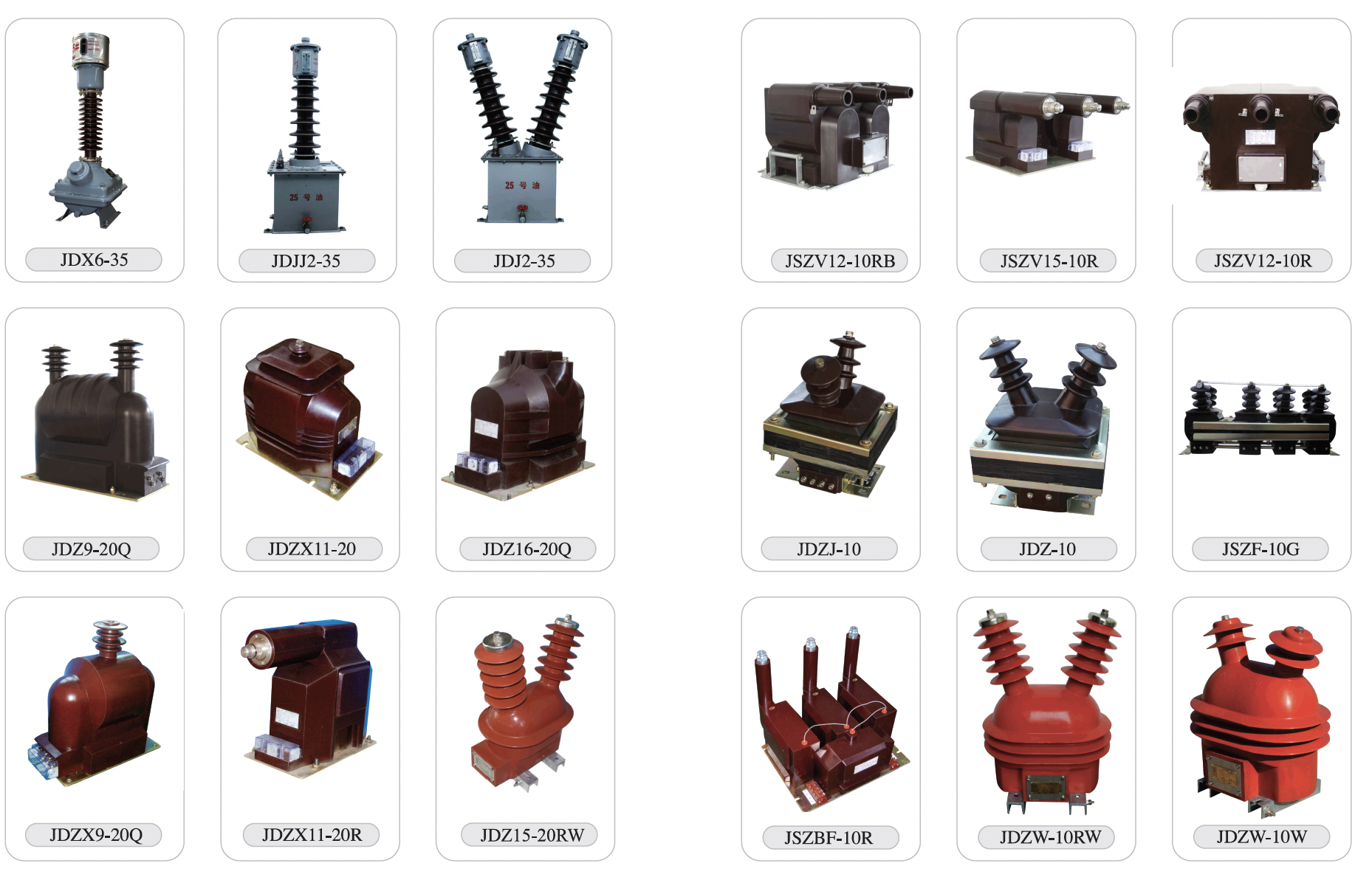
Admin 2026-07-06In a power distribution system, not every important device is large. A current transformer, often called a CT, and a voltage transformer, often called a VT or PT, may look modest compared with a transformer or switchgear cabinet. But without them, the system would be almost blind.
Their job is simple to describe: they convert high current or high voltage into a smaller, safer, and standardized signal that meters, protection relays, and monitoring devices can understand. In other words, CTs and VTs are the translators between the power circuit and the control system.
What does a current transformer do?
A current transformer measures current. In medium-voltage and low-voltage switchgear, the primary circuit may carry hundreds or thousands of amperes. A protection relay cannot be connected directly to that circuit. Instead, the CT reduces the current to a standard secondary value, commonly 5A or 1A.
For example, a CT with a ratio of 1000/5A means that when 1000A flows in the primary conductor, the CT secondary output is 5A. The relay or meter can then calculate the actual current safely and accurately.
CTs are used for:
- Ammeter and energy meter measurement
- Overcurrent and short-circuit protection
- Differential protection
- Power quality monitoring
- Load analysis in industrial distribution systems
The most important point is accuracy. A metering CT must provide precise readings during normal load. A protection CT must remain reliable even during fault current. That is why CTs have different accuracy classes and burden ratings.
What does a voltage transformer do?
A voltage transformer reduces medium or high voltage to a lower, safer value. A common secondary voltage may be 100V, 110V, or 120V, depending on the project standard.
VTs are used for:
- Voltmeter measurement
- Energy metering
- Under-voltage and over-voltage protection
- Synchronizing circuits
- Power factor and frequency monitoring
Like CTs, voltage transformers are selected according to ratio, accuracy class, burden, insulation level, and system voltage. In medium-voltage switchgear, VTs are usually installed with fuses or protective devices on the primary side.
CT vs. VT: what is the key difference?
The easiest way to remember the difference is this: a CT is connected in series with the current path, while a VT is connected in parallel with the voltage source.
A CT cares about current. A VT cares about voltage.
Both devices isolate the measuring circuit from dangerous electrical levels, but they do it in different ways. This is also why CT secondary circuits should never be opened while the primary current is flowing. An open CT secondary can create a dangerous high voltage. VT secondary circuits, on the other hand, should be protected against short circuits.
What should buyers check before ordering?
For CTs, key parameters include ratio, rated secondary current, accuracy class, rated burden, short-time thermal current, dynamic current, insulation level, and mounting type. For VTs, key parameters include primary voltage, secondary voltage, accuracy class, burden, rated insulation level, and whether the design is single-phase or three-phase.
It is also important to match CTs and VTs with the relay or meter. A high-quality relay cannot work correctly if the instrument transformer is poorly selected.
Why they matter in switchgear design?
In modern switchgear, CTs and VTs are not just accessories. They affect protection logic, metering accuracy, commissioning, and long-term maintenance. A wrong CT ratio may cause inaccurate metering. A wrong protection class may delay fault clearing. Poor wiring can also create serious safety risks.
At DSJ Electrical, we treat instrument transformer selection as part of the overall switchgear engineering process. Whether the project requires low-voltage distribution cabinets, medium-voltage switchgear, transformer protection panels, or industrial power systems, CT and VT configuration must be matched with the real operating conditions.
Small components often carry big responsibility. CTs and VTs prove that power systems are not only about carrying electricity. They are also about measuring, protecting, and controlling it safely.
For exclusive deals and latest offers, sign up by entering your email address below.



 +86 18513032986
 FLC Center, Chaoyang District, Beijing, China
Copyright © DSJ Electrical Co., Ltd. All Rights Reserved
Power Distribution Equipment & System Manufacturer