+86 18513032986


Extreme Heat Is Becoming a Transformer Challenge: What Can Manufacturers Do?
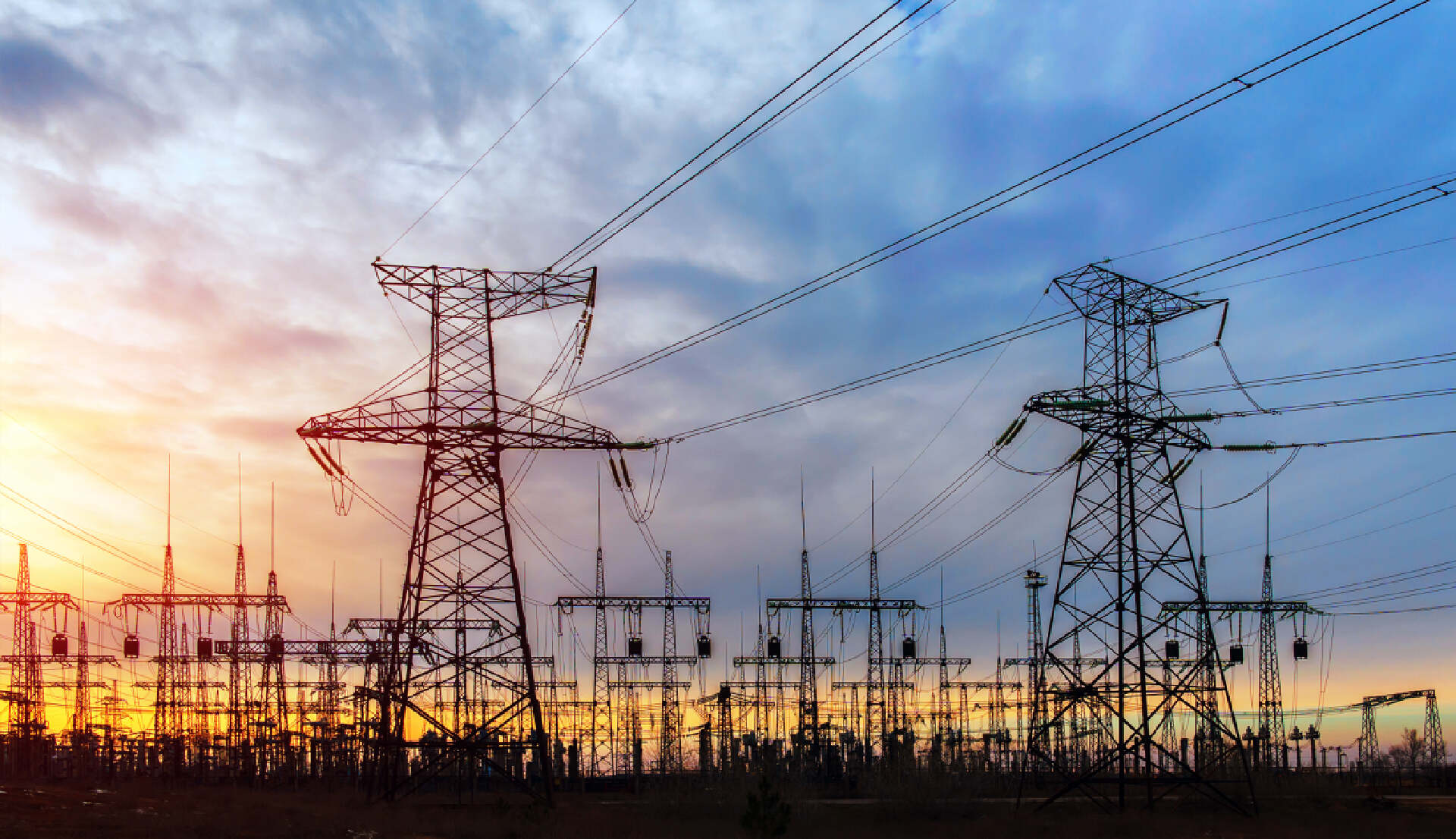
Admin 2026-07-10Around the world, electrical infrastructure is facing a new operating reality: hotter summers, longer heat waves, and higher peak loads. For transformers, this is not just a weather story. It is an engineering challenge.
A transformer works by converting voltage levels through electromagnetic induction. During operation, it also produces heat. Core loss, winding loss, stray loss, and load current all contribute to temperature rise. Under normal conditions, the cooling system removes this heat and keeps the transformer within its designed temperature limits.
But when ambient temperature rises, cooling becomes harder.
Why high ambient temperature matters
Transformer temperature is affected by two main factors: the heat generated inside the transformer and the surrounding temperature outside the transformer. If the ambient temperature is already high, the transformer has less thermal margin.
For oil-immersed transformers, high temperature can increase oil temperature and winding hot-spot temperature. For dry-type transformers, high ambient temperature can reduce the effectiveness of air cooling and increase insulation stress.
The result may include:
- Faster insulation aging
- Reduced overload capability
- Higher winding resistance and loss
- Increased risk of oil oxidation
- Shorter service life
- More frequent alarms or shutdowns
In simple terms, heat does not only make a transformer work harder. It can make the transformer age faster.
Peak load makes the problem worse
Extreme heat often comes with higher electricity demand. Air conditioning, refrigeration, industrial cooling systems, and commercial loads can increase sharply during heat waves. That means the transformer may face high ambient temperature and high load at the same time.
This is the most difficult combination. Even a transformer that performs well under standard conditions may need careful review if it will operate in desert regions, tropical areas, enclosed substations, mining sites, solar farms, or urban heat island environments.
What design solutions help?
The first solution is correct temperature-rise design. Engineers should confirm the expected maximum ambient temperature, average daily temperature, altitude, installation location, ventilation condition, and load profile. A transformer designed for a mild climate may not be suitable for a high-temperature environment without adjustment.
The second solution is better cooling. For oil-immersed transformers, this may include optimized radiator design, larger cooling surface area, ONAN or ONAF cooling selection, and improved oil circulation paths. For dry-type transformers, enclosure ventilation and airflow path are critical.
The third solution is lower loss design. Better core materials, optimized winding design, and proper conductor sizing can reduce internal heat generation. Lower losses also improve energy efficiency, which is especially valuable when transformers operate continuously.
The fourth solution is thermal monitoring. Oil temperature indicators, winding temperature indicators, pressure relief devices, and smart sensors can help operators understand the real condition of the transformer. In critical projects, online monitoring can provide early warning before overheating becomes a failure.
Coating and outdoor protection also matter
High temperature is often accompanied by sunlight, humidity, sand, salt, or industrial pollution. Outdoor transformer tanks and enclosures need durable surface treatment. A good coating system helps resist corrosion, UV exposure, and long-term weathering.
For outdoor pad-mounted transformers or distribution transformers, mechanical design and enclosure sealing should also be reviewed. Heat should be managed without allowing water, dust, or small animals to enter the equipment.
The buyer's checklist
Before ordering a transformer for hot climates, buyers should confirm:
- Maximum and average ambient temperature
- Load profile and possible overload demand
- Cooling method, such as ONAN or ONAF
- Temperature rise limits
- Insulation system temperature class
- Loss values and efficiency requirements
- Outdoor coating and corrosion protection
- Monitoring devices and accessories
At DSJ Electrical, we design transformers not only according to rated capacity and voltage, but also according to real site conditions. A 1000kVA transformer in a cool indoor room and a 1000kVA transformer in an outdoor high-temperature environment are not the same engineering problem.
As climate conditions become more demanding, transformer selection must become more practical. The best solution is not simply a larger transformer. It is a transformer designed with the right thermal margin, cooling structure, losses, protection devices, and environmental durability.
For exclusive deals and latest offers, sign up by entering your email address below.




 +86 18513032986
 FLC Center, Chaoyang District, Beijing, China
Copyright © DSJ Electrical Co., Ltd. All Rights Reserved
Power Distribution Equipment & System Manufacturer