+86 18513032986


How Much Can A 15 Amp Breaker Handle?
Admin 2026-06-15Content
How Much Can A 15 Amp Breaker Handle
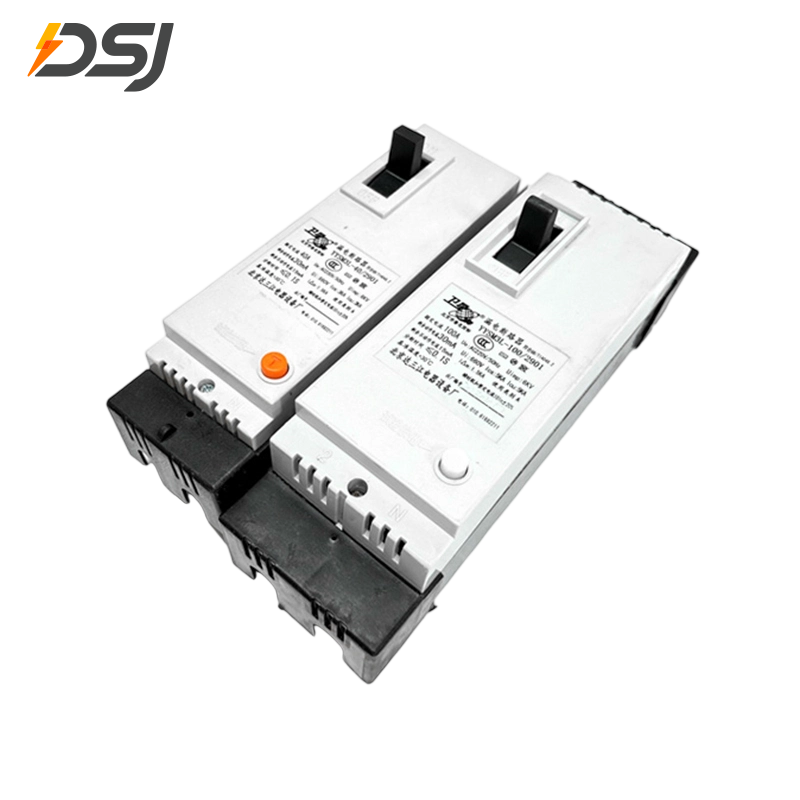
A 15 amp circuit breaker is rated to carry a continuous load of 12 amps, which equals roughly 1,440 watts on a standard 120-volt circuit. This 80 percent limit is not arbitrary; it follows the National Electrical Code rule that requires continuous loads to be calculated at 80 percent of the breaker rating to prevent nuisance tripping and overheating of the wire and breaker terminals over long periods of use. For short bursts, a 15 amp breaker can technically carry up to 15 amps (1,800 watts) for a limited time before the thermal element inside trips the breaker, but designing a circuit to run that close to the limit is asking for trouble. Anyone wiring a kitchen, home office, workshop, or bedroom needs to know this number before plugging in space heaters, window air conditioners, or multiple high-draw appliances on the same circuit.
Breaking this down further, a 15 amp breaker is almost always paired with 14 AWG copper wire, while a 20 amp breaker pairs with 12 AWG wire. Mixing these up, such as putting a 20 amp breaker on 14 AWG wire, is a common and dangerous wiring mistake because the wire can overheat well before the breaker trips. The wire gauge and breaker rating are matched as a system, and that system is what determines the actual safe load a circuit can handle, not just the number printed on the breaker handle.
The Math Behind The 80 Percent Rule
Electricians and inspectors rely on a simple formula to figure out what a breaker can safely support: Amps x Volts = Watts. For a 15 amp breaker on a 120-volt circuit, the math looks like this:
- Total breaker capacity: 15 amps x 120 volts = 1,800 watts
- Continuous load limit (80 percent rule): 12 amps x 120 volts = 1,440 watts
- Safety buffer reserved: 3 amps x 120 volts = 360 watts
The 360 watt buffer matters because it accounts for inrush current, the brief spike many motors and compressors draw when they first start. A refrigerator compressor, for instance, might pull three to five times its running wattage for a fraction of a second when the motor kicks on. Without that buffer, breakers would trip constantly every time a motor-driven appliance cycled on, which is why the National Electrical Code (NEC Article 210.20) builds this margin into the standard for all general-purpose branch circuits.
According to data published by the Electrical Safety Foundation International, overloaded circuits and outlets are linked to thousands of residential electrical fires every year in the United States, and a large share of those incidents trace back to circuits that were run continuously near or above their rated capacity. Respecting the 80 percent guideline is one of the simplest ways homeowners can reduce that risk without hiring an electrician for every outlet.
What Appliances A 15 Amp Circuit Can Realistically Run
Knowing the wattage ceiling is only useful once it is matched against real household devices. Below is a breakdown of common items and how they stack up against a 1,440 watt continuous limit.
| Device | Typical Running Watts | Approx. Amp Draw | Safe On 15A Circuit Alone |
|---|---|---|---|
| LED desk lamp | 10 watts | 0.08 amps | Yes |
| Laptop charger | 65 watts | 0.54 amps | Yes |
| Box fan | 100 watts | 0.83 amps | Yes |
| Refrigerator | 150 to 400 watts | 1.25 to 3.3 amps | Yes, but reserve the circuit |
| Microwave oven | 1,000 to 1,200 watts | 8.3 to 10 amps | Yes, alone only |
| Coffee maker | 900 to 1,200 watts | 7.5 to 10 amps | Yes, but limits other devices |
| Toaster oven | 1,200 to 1,800 watts | 10 to 15 amps | Borderline, avoid pairing |
| Portable space heater | 1,500 watts | 12.5 amps | No, exceeds continuous limit |
| Window air conditioner (small) | 500 to 1,200 watts | 4.2 to 10 amps | Yes, alone only |
| Hair dryer | 1,200 to 1,875 watts | 10 to 15.6 amps | Borderline on high setting |
The most important takeaway from this table is that a single high-draw appliance, such as a space heater or a hair dryer on its highest setting, can use up almost the entire capacity of a 15 amp circuit by itself. This is exactly why these devices so often trip breakers in older homes, especially when someone also has a lamp, phone charger, or fan plugged into the same circuit at the same time.
Signs A 15 Amp Breaker Is Being Pushed Too Hard
A breaker that trips occasionally under heavy load is doing exactly what it was designed to do, but repeated or unexplained tripping points to a circuit that is being overworked or that has developed a fault. Recognizing these warning signs early can prevent a tripped breaker from becoming a melted outlet or a wiring fire.
Frequent Tripping Without An Obvious Cause
If a breaker trips every time a particular combination of devices runs together, that is a load problem rather than a defect. Unplugging the space heater or microwave usually solves it instantly. However, if the breaker trips with little or nothing plugged in, the issue is more likely a short circuit, a ground fault, or a failing breaker that needs replacement.
Warm Outlet Covers Or Switch Plates
Outlets and switches should always feel cool to the touch. A warm or hot cover plate indicates loose wiring connections, a degraded outlet, or a circuit running near its limit for extended periods. This is one of the most reliable early indicators of a developing electrical hazard and should never be ignored.
Flickering Or Dimming Lights When Appliances Start
A brief dim or flicker when a large appliance like a refrigerator or air conditioner starts up is normal and reflects the inrush current discussed earlier. But if lights flicker constantly during normal use, or if multiple rooms dim when one device turns on, the circuit may be carrying more total load than it should, or the wiring connections may have loosened over time.
A Burning Smell Or Discoloration Near Outlets
Any burning odor, soot marks, or yellow and brown discoloration around an outlet or switch plate means the circuit should be shut off immediately at the panel until it can be inspected. This is one situation where waiting even a day is not worth the risk.
Matching Breaker Sizes To Different Rooms
Not every room in a house has the same electrical demands, and codes reflect that by setting different expectations for circuit sizing depending on the room's function. Here is how 15 amp breakers typically fit into a home's overall electrical plan.
| Room Or Area | Typical Breaker Size | Reason |
|---|---|---|
| Bedrooms | 15 amps | Lighting, electronics, and small loads only |
| Living rooms and hallways | 15 amps | General lighting and outlet circuits |
| Kitchen countertop outlets | 20 amps | Required by code for small appliance load |
| Bathrooms | 20 amps | Required by code, often a dedicated circuit |
| Garage and workshop | 20 amps | Power tools draw higher amperage |
| Laundry area | 20 amps (dedicated) | Washing machine often needs its own circuit |
Bedrooms and living areas are the most common places to find 15 amp breakers because the loads in those rooms are predictable and rarely involve large motors or heating elements. Kitchens, bathrooms, garages, and laundry rooms are usually wired with 20 amp circuits because the appliances used there, microwaves, hair dryers, power tools, and washing machines, draw more current and benefit from the larger margin a 20 amp circuit provides.
Practical Ways To Avoid Overloading A 15 Amp Circuit
Most overloaded circuit problems come down to habit rather than wiring defects. A few adjustments to how appliances are distributed around a home can dramatically reduce the chance of nuisance tripping or worse.
- Spread high-wattage devices across different circuits. Plugging a space heater and a hair dryer into outlets on opposite sides of a room does not guarantee they are on different circuits, so check the breaker panel labeling first.
- Avoid daisy-chaining power strips. A power strip does not increase a circuit's capacity, it just adds more places to plug things in, which makes it easier to accidentally exceed the 1,440 watt continuous limit.
- Stagger the use of seasonal high-draw appliances. Running a space heater and a window air conditioner at the same time on one circuit is a near-guaranteed trip, even though they are rarely needed simultaneously.
- Label the breaker panel accurately. Many homes have panels labeled incorrectly or not at all, which makes it impossible to know which outlets share a circuit until something trips.
- Use a clamp meter to check actual draw. For around 20 to 40 dollars, a basic clamp meter lets anyone measure the real amperage a device pulls, which is often different from the wattage printed on the label.
Following these steps does not require any rewiring or panel upgrades. It simply means being deliberate about which devices end up sharing a circuit, which is the single biggest factor in whether a 15 amp breaker holds steady or trips repeatedly.
15 Amp Versus 20 Amp Breakers: Quick Comparison
People often ask whether it makes sense to simply replace a 15 amp breaker with a 20 amp one to get more headroom. The answer almost always comes back to the wire gauge already installed.
| Specification | 15 Amp Circuit | 20 Amp Circuit |
|---|---|---|
| Required wire gauge | 14 AWG | 12 AWG |
| Total capacity at 120V | 1,800 watts | 2,400 watts |
| Continuous load limit (80 percent) | 1,440 watts | 1,920 watts |
| Outlet type typically used | Standard duplex outlet | Outlet rated for 20A or standard duplex |
Swapping a breaker without upgrading the wire is one of the most common do-it-yourself mistakes in older homes. The breaker may allow more current to flow, but the 14 AWG wire behind the wall was never designed to dissipate the heat generated by 20 amps continuously. The wire gauge, not the breaker, is the real limiting factor in any circuit, and changing one without the other defeats the entire purpose of the protection system.
Final Takeaway On 15 Amp Breaker Capacity
A 15 amp breaker is built to support 1,440 watts of continuous load and up to 1,800 watts briefly, paired with 14 AWG wiring on a standard 120-volt circuit. Staying within that 1,440 watt range for anything running for three hours or longer, lights, electronics, fans, small appliances, keeps the circuit operating well within its design margin and avoids the wear and heat buildup that leads to nuisance tripping or wiring damage over time. The moment a single device or a combination of devices pushes past that number for an extended period, it is time to either move something to another circuit or have an electrician evaluate whether a dedicated higher-amperage circuit is needed for that location.
For exclusive deals and latest offers, sign up by entering your email address below.




 +86 18513032986
 FLC Center, Chaoyang District, Beijing, China
Copyright © DSJ Electrical Co., Ltd. All Rights Reserved
Power Distribution Equipment & System Manufacturer