+86 18513032986


How to Determine if a Circuit Breaker is Damaged?
Admin 2025-11-07Content
As the "safety plug" in a circuit, the performance of a circuit breaker directly affects the safety of electrical equipment and personnel. Understanding how to promptly and accurately determine if a circuit breaker is damaged is crucial.
Understanding the Core Function and Importance of Circuit Breakers
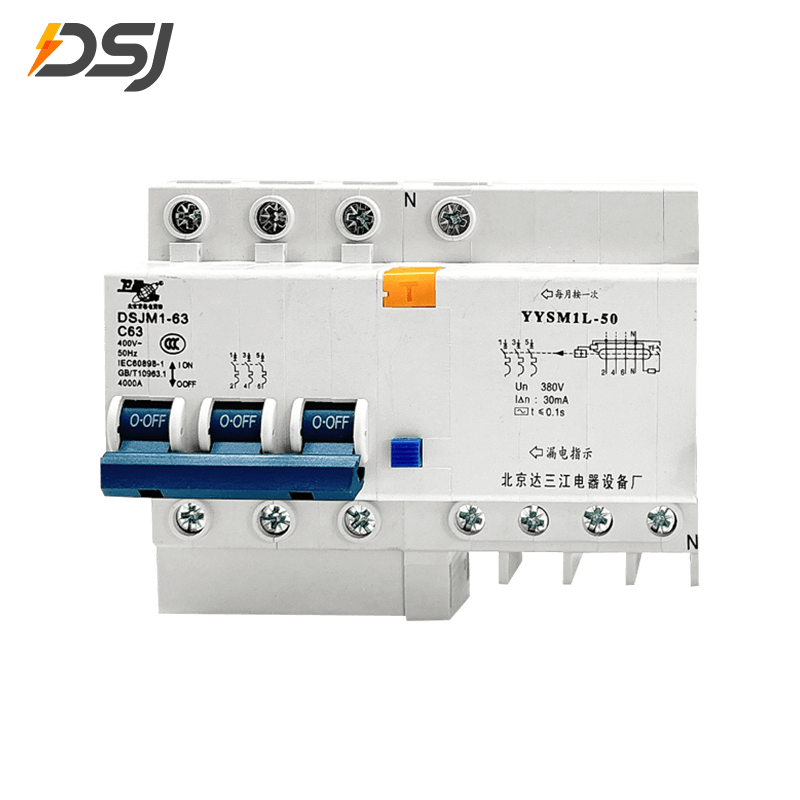
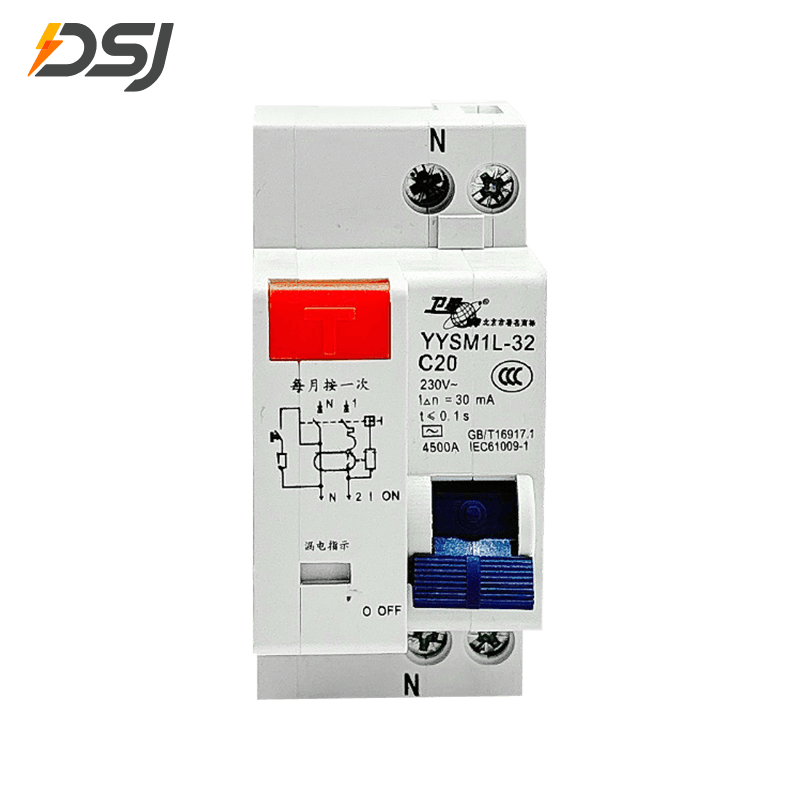
A circuit breaker, also known as an air switch or power switch, is an electrical device that automatically disconnects a circuit to prevent damage to equipment caused by overload, short circuit, or undervoltage. Whether in industrial control systems or household electrical environments, circuit breakers are indispensable circuit protection components. Once a circuit breaker itself malfunctions, it not only fails to provide the necessary protection but may even become a new safety hazard.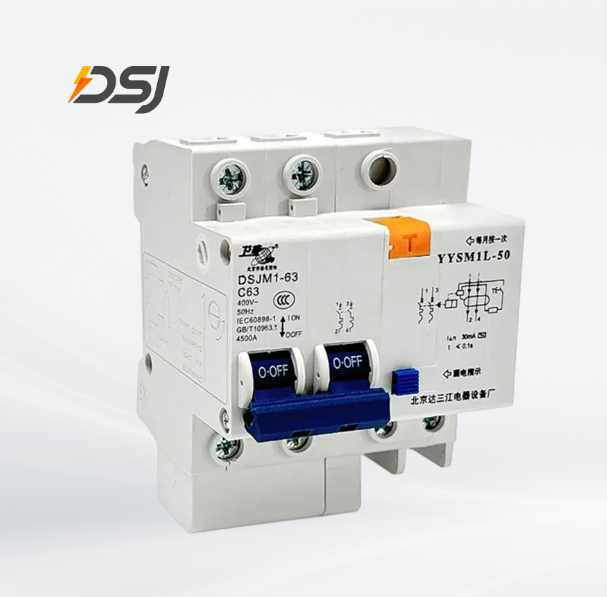
Identifying Five Typical Signals of Circuit Breaker Damage
Determining if a circuit breaker is damaged usually requires starting with troubleshooting based on the symptoms. Here are some common circuit breaker fault signals:
- Frequent Tripping ("Electrical Leaks"): If the circuit breaker repeatedly trips without any apparent overload or short circuit, this may indicate abnormal sensitivity or mechanical jamming of the internal trip unit (such as thermal or electromagnetic trip mechanisms).
- Unable to Close or Tripping Immediately After Closing: The switch does not respond when attempting to close, or trips immediately after closing. This may be due to a faulty undervoltage release (if equipped), poor contact of the main contacts, or the mechanism being jammed by foreign objects.
- Continuous Overheating and Abnormal Noise: If the circuit breaker casing continues to overheat under normal load, or if there is a noticeable hissing sound or excessive noise during operation, this usually indicates insufficient contact pressure or severe wear of the contact surfaces, leading to increased resistance and overheating.
- Auxiliary Switch Malfunction: The auxiliary switch used for signal feedback may malfunction, affecting the control logic of the automation system.
- Visible Damage: Cracked casing, charred marks, or loose components are direct signs that the circuit breaker has suffered severe impact or prolonged exposure to harsh environments.
Professional Testing Methods for Circuit Breaker Faults
Besides visual inspection and preliminary judgment, professional testing can more accurately pinpoint the "lesion" of the circuit breaker:
| Test Items | Tools Used: | Key Judgment Criteria: | Commonly Damaged Components |
| Contact Resistance | Microohmmeter/Contact Resistance Tester | Measure the circuit resistance of the circuit breaker in both open and closed states. If it is significantly higher than the standard value or there is a large difference between the two sides, poor contact is indicated. | Main Contacts |
| Insulation Performance | Megohmmeter (Megohmmeter) | Test the insulation resistance between different poles. If the value is too low, insulation aging or moisture may be present. | Insulators, Arc-Extinguishing Chamber |
| Trip Time/Current | Circuit Breaker Tester | Simulate short-circuit current or overload current and measure its operating time. A time that is too long or too short is considered unacceptable. | Instantaneous/Delayed Trip Unit |
| Mechanism Operation | Visual Inspection/Acoustic Analysis | Check whether the closing/opening process is smooth and whether there is any jamming. | Connecting Rods, Springs |
Tip: For residual current devices (RCDs/RCBOs), in addition to the above tests, a dedicated residual current tester must be used to test the residual current operation to ensure the residual current protection function is intact.
Prevention is Better than Cure: Circuit Breaker Maintenance and Care
The lifespan of a circuit breaker is affected by the operating environment and maintenance conditions.
- Regular Inspections: Refer to the equipment manual to conduct regular visual inspections and live temperature measurements of the circuit breakers in operation to promptly detect early temperature rise problems.
- Keep Clean: Ensure the installation environment is dry and free of dust and oil to prevent impurities from affecting the flexibility of the trip unit and contacts.
- Correct Selection: Ensure that the rated current, breaking capacity, tripping characteristics, and other parameters of the selected circuit breaker are perfectly matched to the actual circuit.
When a circuit breaker malfunctions, never attempt to repair its complex internal mechanisms yourself, especially those involving precision components such as the trip unit. If any of the above-mentioned damage signals are detected, immediately disconnect the power and contact a professional electrician or the manufacturer for inspection or replacement of the circuit breaker to ensure the circuit protection is functioning correctly.
For exclusive deals and latest offers, sign up by entering your email address below.




 +86 18513032986
 FLC Center, Chaoyang District, Beijing, China
Copyright © DSJ Electrical Co., Ltd. All Rights Reserved
Power Distribution Equipment & System Manufacturer