+86 18513032986


What are generators used for?
Admin 2025-11-01Content
Electricity plays a vital role in modern society. From home lighting to industrial production and high-tech medical equipment, everything relies on a stable and reliable power supply. However, what happens when the power grid fails or in remote areas lacking infrastructure?
The core function of a generator: the magician of energy conversion
The primary function of a generator is to produce electrical energy. But more accurately, it is a device that converts other forms of energy into electrical energy, a crucial link in the energy conversion process.
Working principle: Generators typically utilize the heat energy generated by the combustion of fuels (such as gasoline, diesel, and natural gas), the kinetic energy of water flow, the kinetic energy of wind, or the pressure of steam to drive internal mechanical components (such as turbines or pistons). This mechanical motion then drives a rotor to rotate in a magnetic field, generating an electric current based on the principle of electromagnetic induction, thus outputting usable electrical energy.
Energy sources and types: Common types of generators include fuel-powered generators (such as diesel generators and gasoline generators), hydroelectric generators, wind turbines, and solar generators.
Key applications of generators in different scenarios
Generators are not only useful during power outages. It has wide and critical applications across various industries and daily life:
1. Standby Power
This is the most well-known function of a generator. When the city power grid is interrupted due to natural disasters, equipment failures, or maintenance, a backup generator quickly starts up to provide power to critical facilities, ensuring uninterrupted operation. Its role is particularly crucial in locations such as hospitals, data centers, commercial buildings, and factories.
2. Prime and Portable Power
In places without a permanent grid connection, the generator is the only source of power. It is widely used in construction sites, outdoor activities, camping, and in scenarios requiring large amounts of temporary or independent power, such as mines, offshore drilling platforms, or remote rural areas. Large events such as concerts and sporting events also rely on generator sets for power.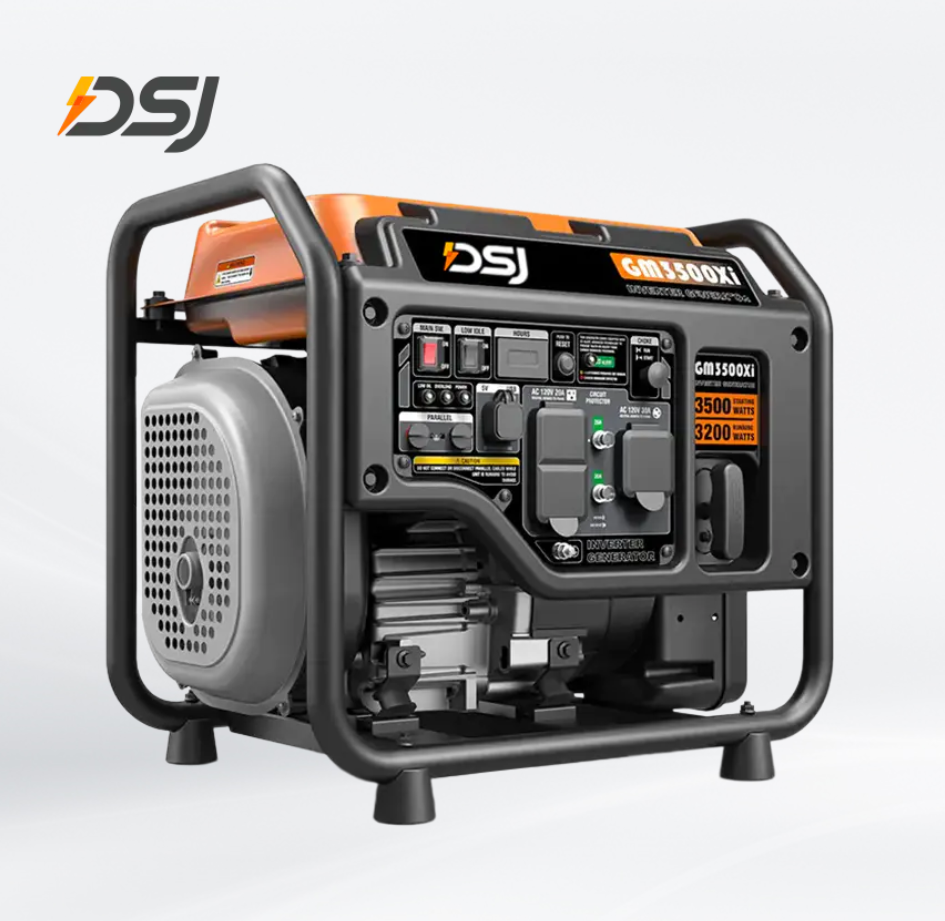
Understanding the Key Components and Related Terms of Generators
To fully understand how generators work, we need to understand some important related terms and components:
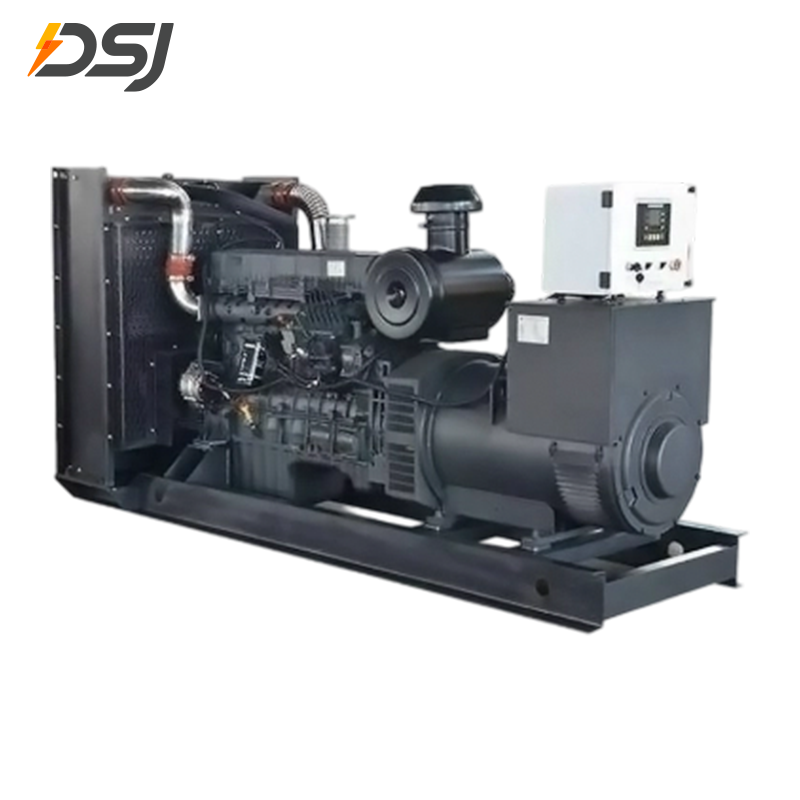
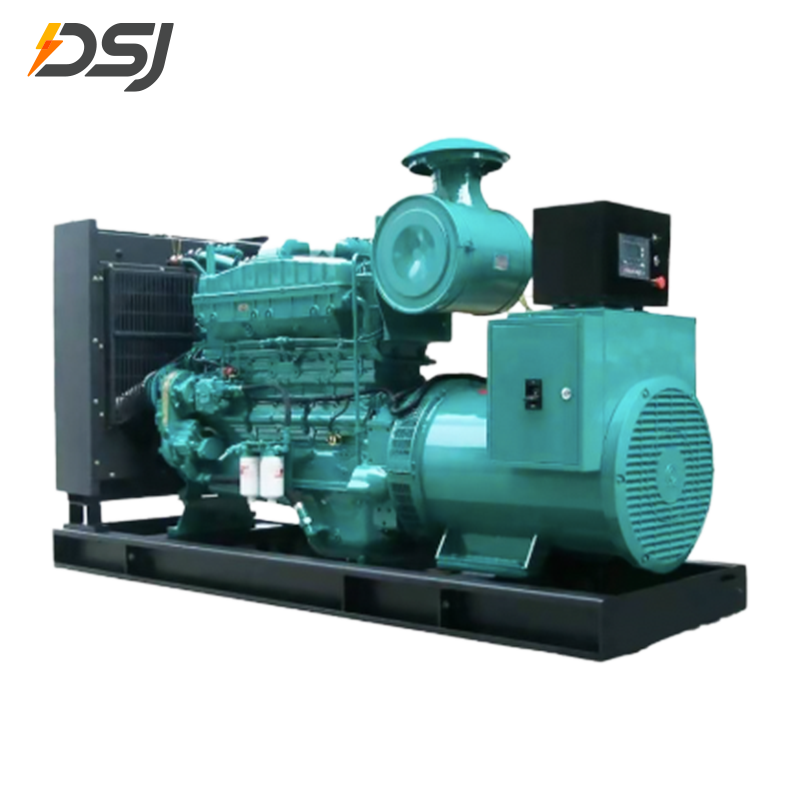
Genset: This refers to the combination of a generator and the engine that drives it.
Diesel Generator: Specifically refers to a generator that uses diesel fuel. Due to its durability and stable power output, it is often used in heavy industry and as a large backup power source.
Average Voltage Regulator (AVR): This component ensures stable generator output voltage and is crucial for protecting sensitive electronic equipment.
Controller: Responsible for the generator's automatic start-up, shutdown, operation monitoring, and fault protection functions.
Transformer: Used to change the voltage level after the generator outputs power to adapt to different transmission and usage needs.
With increasing global focus on sustainable development and environmental protection, the generator industry is constantly evolving. New generators are developing towards being more environmentally friendly and efficient, such as low-emission natural gas generators and hybrid generators incorporating energy storage technology. Intelligent control systems make generator management more convenient, enabling remote monitoring and fault diagnosis, further improving power supply reliability.
In conclusion, generators are the guardians of a reliable power supply in modern society. Whether as an emergency "savior" or the core "heart" of remote areas, generators ensure the continuity of our lives and production.
For exclusive deals and latest offers, sign up by entering your email address below.



 +86 18513032986
 FLC Center, Chaoyang District, Beijing, China
Copyright © DSJ Electrical Co., Ltd. All Rights Reserved
Power Distribution Equipment & System Manufacturer