+86 18513032986


Isolation Transformer vs. Autotransformer: What’s the Difference?
Admin 2026-03-24In power distribution and industrial electrical systems, engineers often need to choose between an isolation transformer and an autotransformer. Both can be used to change voltage levels, but they differ significantly in design, purpose, and safety characteristics. Understanding these differences helps engineers select the right transformer for a specific application.
The defining feature of an isolation transformer is that the primary and secondary windings are electrically separated. The two windings are independent, and energy is transferred through magnetic coupling rather than a direct electrical connection. This design prevents electrical disturbances from the supply side from directly reaching the load, while also improving overall system safety.
If a ground fault or leakage occurs on the primary side, the isolation provided by the transformer can limit the impact on downstream equipment. For this reason, isolation transformers are widely used in applications where safety and power quality are critical, such as medical equipment, electrical testing systems, data centers, and industrial control systems.
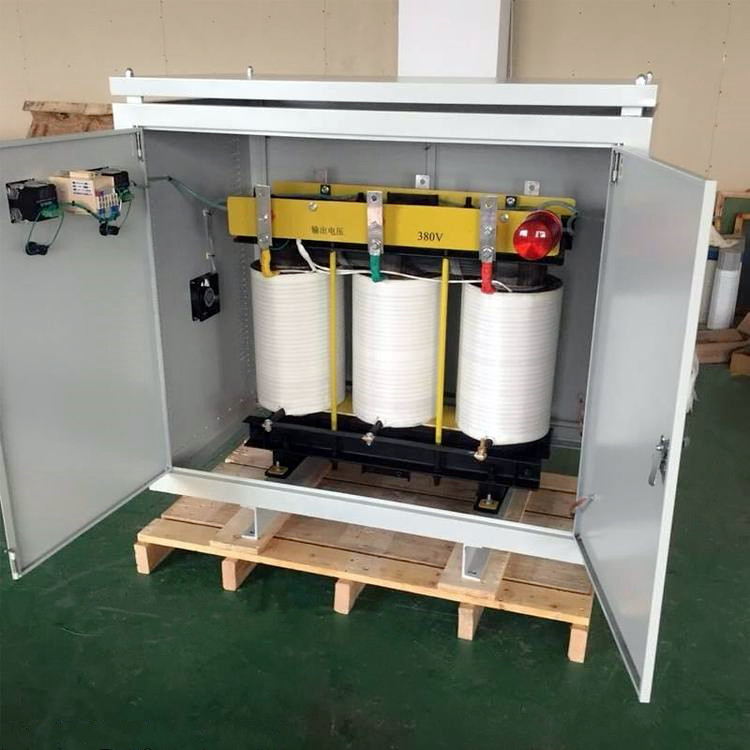
Another advantage of isolation transformers is their ability to reduce electrical noise and interference. Many high-quality isolation transformers include an electrostatic shield between the windings, which helps divert common-mode noise to ground. This feature provides a cleaner and more stable power supply for sensitive electronics. As a result, isolation transformers are commonly used in laboratories, communication systems, and automated production lines where equipment may be sensitive to electrical interference.
Characteristics of Autotransformers
Unlike isolation transformers, autotransformers use a single winding for both the input and output. Different voltage levels are obtained through taps on the same winding. Because the primary and secondary share part of the same coil, the design is simpler and requires less conductive material.
This construction gives autotransformers several practical advantages. They are typically more efficient, smaller in size, and lower in cost compared with isolation transformers of the same rating. In applications where only voltage adjustment or voltage matching is required, an autotransformer can be a very economical solution.
Common uses include motor starting systems, voltage regulation equipment, and laboratory power supplies. Many adjustable power devices—such as variable AC power supplies—are essentially specialized autotransformers designed for controlled voltage output.
However, autotransformers also have an important limitation: there is no electrical isolation between the input and output. Because both sides share the same winding, disturbances or faults on the supply side can be directly transferred to the load. For applications where personnel safety, equipment protection, or electrical isolation is required, autotransformers are usually not the preferred option.
Choosing the Right Transformer
In practical engineering design, the choice between these two transformer types depends largely on the needs of the system.
If the priority is electrical safety, equipment protection, or noise isolation, engineers typically select an isolation transformer. These transformers are commonly used in medical power systems, data center power distribution, and industrial control environments where a stable and isolated power supply is essential.
On the other hand, if the primary requirement is voltage conversion or adjustment, an autotransformer may be the more efficient and cost-effective choice. Applications such as motor soft-start systems, voltage matching, and adjustable laboratory power supplies often rely on autotransformers for this reason.
In simple terms, the difference can be summarized as follows: isolation transformers focus on safety and electrical separation, while autotransformers emphasize efficiency and cost advantages. Understanding this distinction allows engineers to make more informed decisions when designing or upgrading electrical systems.
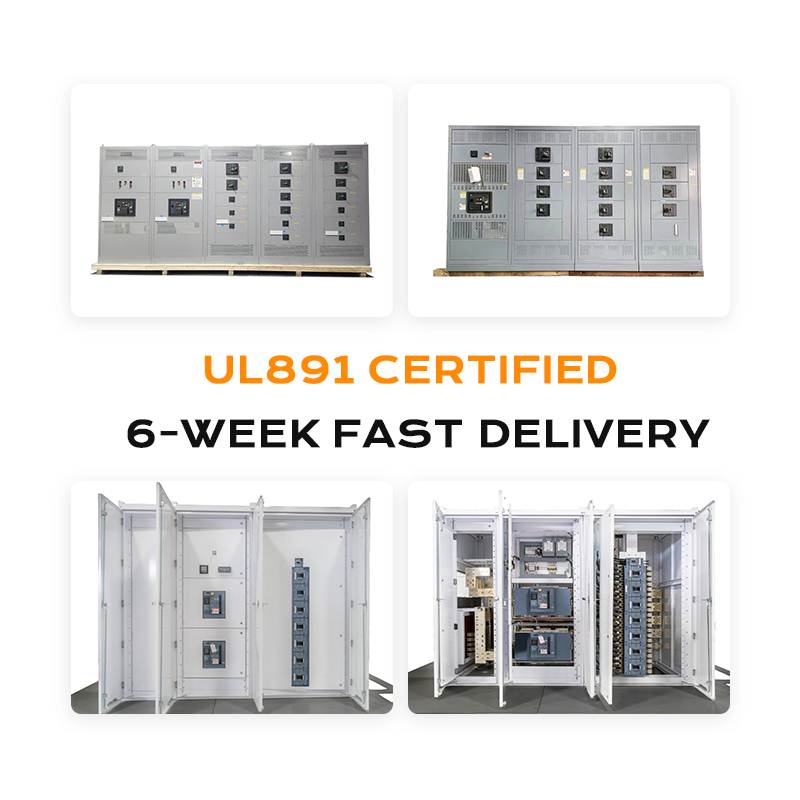
For power distribution projects, selecting the right equipment is only part of the solution—working with an experienced manufacturer is equally important. DSJ Electrical has specialized in the production of transformers and switchgear for over 40 years. Our products are certified to UL, CE, and ISO standards, and we support customers with customized designs and one-stop power distribution solutions tailored to the needs of modern electrical systems.
For exclusive deals and latest offers, sign up by entering your email address below.



 +86 18513032986
 FLC Center, Chaoyang District, Beijing, China
Copyright © DSJ Electrical Co., Ltd. All Rights Reserved
Power Distribution Equipment & System Manufacturer