+86 18513032986


MAKING DIFFERENCE: CUSTOMIZE YOUR UL891 PANEL – Strategies for Differentiated UL891 Switchboard Design
Admin 2026-04-09Content
- 1 Understanding the Core of UL891 Switchboards
- 2 Customization Begins with Application Analysis
- 3 Flexible Busbar Design and System Expansion
- 4 Integrated Metering and Power Monitoring
- 5 Protection Coordination and System Reliability
- 6 Mechanical Design and Installation Efficiency
- 7 Safety and Compliance Enhancements
- 8 Supporting Global Projects and Export Markets
In today's highly competitive electrical equipment market, standardization alone is no longer sufficient to meet the complex needs of modern power distribution systems. Industries such as data centers, renewable energy, commercial buildings, and manufacturing facilities require switchboards that are not only compliant with safety standards but also optimized for specific operational environments. Customization of UL891 switchboards has therefore become a critical strategy for manufacturers and project developers seeking to improve reliability, efficiency, and long-term value.
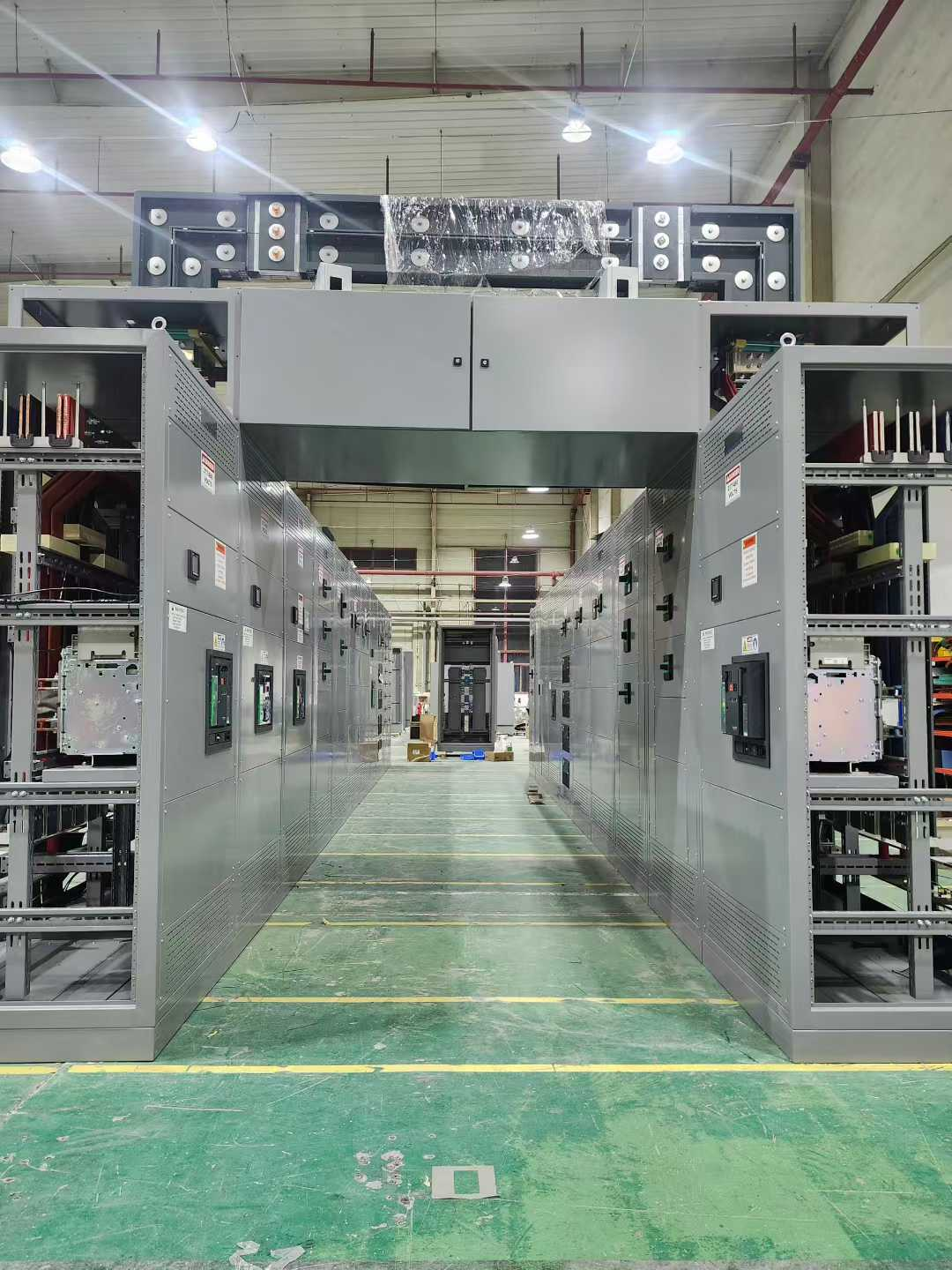
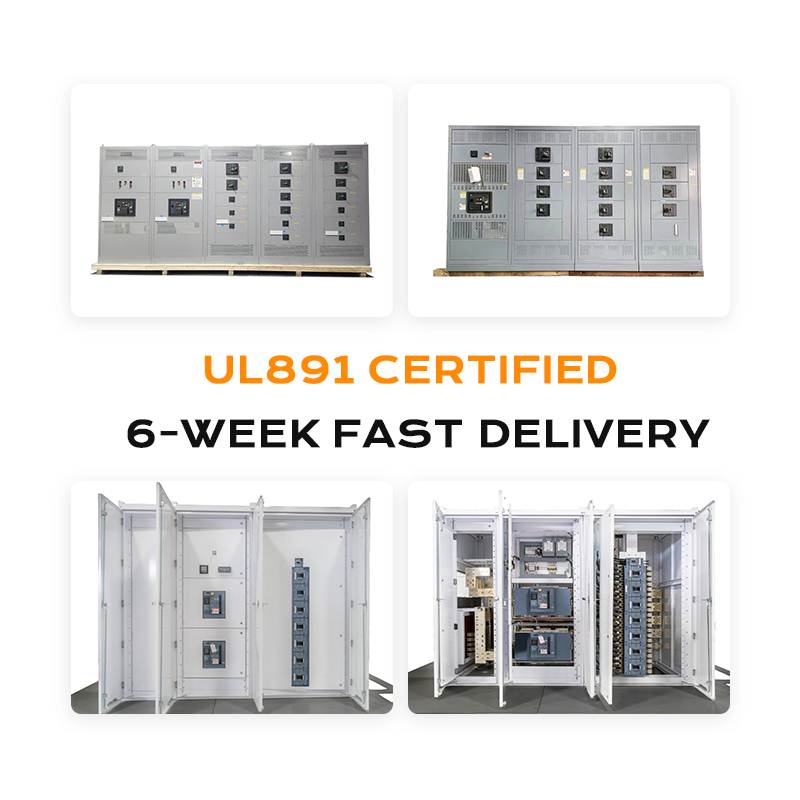
UL 891 is the North American safety standard that governs dead-front switchboards rated up to 600V. Compliance ensures that equipment meets strict requirements related to electrical safety, mechanical strength, short-circuit performance, and overall construction integrity. However, within this framework, significant opportunities exist for tailored engineering solutions that address project-specific challenges.
Understanding the Core of UL891 Switchboards
A UL891 switchboard is typically designed for low-voltage power distribution in commercial and industrial facilities. The system integrates incoming power feeds, protective devices, metering components, and outgoing feeders into a modular structure. Key components usually include circuit breakers, busbar systems, protective relays, metering devices, and control interfaces.
While the standard defines safety and construction requirements, it does not limit functional optimization. This creates space for manufacturers to develop differentiated solutions through engineering design, component integration, and system intelligence.
Customization Begins with Application Analysis
The first step toward differentiated UL891 switchboard solutions is a comprehensive understanding of the project application. Each industry places different priorities on the power distribution system.
For example, data centers prioritize uptime and redundancy. In such cases, switchboards may be designed with dual incoming sections, tie breakers, and maintenance bypass arrangements to ensure uninterrupted power. Manufacturing facilities, on the other hand, often require high fault-current capacity and robust mechanical design to handle heavy motor loads and dynamic operating conditions.
Environmental conditions also play a critical role. Installations in coastal regions may require corrosion-resistant enclosures, while outdoor installations often demand weatherproof designs with higher enclosure ratings.
Through detailed load analysis, fault-current calculations, and system architecture planning, engineers can develop switchboard configurations that go far beyond standard catalog products.
Flexible Busbar Design and System Expansion
Busbar design is one of the most critical areas where customization adds value. By optimizing copper or aluminum busbar sizing, plating options, and insulation methods, manufacturers can enhance current carrying capacity, thermal performance, and long-term reliability.
Customized busbar arrangements can also support future expansion. For example, additional sections may be reserved for future feeder breakers, or modular structures can be designed to allow field extension without replacing the entire switchboard. This forward-looking design approach helps end users reduce lifecycle costs and avoid costly system upgrades.
In large facilities where electrical infrastructure evolves over time, expansion-ready switchboards represent a significant competitive advantage.
Integrated Metering and Power Monitoring
Modern power distribution systems increasingly rely on data-driven energy management. Integrating advanced metering and monitoring devices into UL891 switchboards enables facility managers to track energy consumption, identify inefficiencies, and respond quickly to abnormal operating conditions.
Manufacturers can customize switchboards with multifunction meters, communication gateways, and network-ready monitoring platforms. These systems allow real-time data transmission to building management systems or energy management software.
One widely adopted technology platform in this area is Modbus, which allows power meters and protection devices to communicate with supervisory systems. Through this integration, switchboards become not only power distribution equipment but also intelligent nodes within a facility’s digital infrastructure.
Protection Coordination and System Reliability
Another critical aspect of customization lies in protection coordination. By carefully selecting circuit breakers, trip units, and protective relay settings, engineers can ensure that faults are isolated quickly while minimizing disruption to the rest of the system.
Selective coordination is particularly important in hospitals, data centers, and mission-critical facilities. In these environments, a localized fault should only trip the nearest protective device rather than shutting down an entire distribution network.
Advanced protection schemes may also include ground fault protection, arc-flash mitigation technologies, and zone selective interlocking. These features significantly improve personnel safety and operational continuity.
Mechanical Design and Installation Efficiency
Differentiated UL891 switchboards also benefit from customized mechanical design. Engineers can optimize enclosure layouts to match site conditions, installation constraints, and cable routing requirements.
For example, projects with limited floor space may require compact vertical structures, while installations with large cable bundles may benefit from extended cable compartments. Top or bottom cable entry, rear access options, and segmented shipping sections can all be configured according to project needs.
In large infrastructure projects, installation efficiency directly affects project timelines. Pre-engineered modular sections allow faster assembly and reduce on-site labor, which can significantly improve overall project performance.
Safety and Compliance Enhancements
While meeting the requirements of Underwriters Laboratories is essential, advanced safety features can further differentiate a switchboard solution.
Examples include arc-resistant construction, enhanced grounding systems, and improved insulation barriers. These features help reduce the risk of arc-flash incidents and improve maintenance safety for electrical personnel.
Additionally, clear labeling, improved accessibility for maintenance, and integrated safety interlocks contribute to safer operation throughout the equipment lifecycle.
Supporting Global Projects and Export Markets
For manufacturers involved in international trade, customized UL891 switchboards can provide a strong competitive advantage in global markets. Many overseas projects require equipment that meets North American safety standards while also accommodating local installation practices and project specifications.
By combining UL compliance with flexible engineering design, manufacturers can deliver solutions that align with both regulatory requirements and regional customer expectations.
This capability is particularly valuable for engineering procurement contractors and developers managing multinational infrastructure projects.
For exclusive deals and latest offers, sign up by entering your email address below.



 +86 18513032986
 FLC Center, Chaoyang District, Beijing, China
Copyright © DSJ Electrical Co., Ltd. All Rights Reserved
Power Distribution Equipment & System Manufacturer