+86 18513032986


Meeting the New DOE Efficiency Standards: Navigating the Transition to Green Transformer Solutions
Admin 2026-01-21The landscape of North American power distribution is undergoing a significant regulatory shift. As the U.S. Department of Energy (DOE) implements more stringent efficiency standards for distribution transformers, the industry is moving toward a new era of energy conservation and grid modernization. For utilities, contractors, and industrial developers, 2026 has become a pivotal year for aligning procurement strategies with these evolving federal requirements.
The Drive Toward Higher Efficiency
The core of the new DOE mandates is a push to drastically reduce energy waste within the electrical grid. By raising the minimum efficiency benchmarks for both liquid-immersed and dry-type transformers, the policy aims to cut carbon emissions and lower long-term operational costs across the national infrastructure.
Technically, this shift is forcing a re-evaluation of core materials and design philosophies. While Grain-Oriented Electrical Steel (GOES) has long been the industry standard, the new efficiency levels are accelerating the adoption of amorphous steel cores. These materials are engineered to significantly reduce "no-load" losses—energy that is dissipated as heat even when the transformer is idling—making them a cornerstone of modern green energy infrastructure.
Industry Challenges and Strategic Opportunities
For many in the power sector, this transition presents immediate logistical challenges, particularly regarding supply chain adjustments and the potential redesign of electrical enclosures to accommodate high-efficiency units, which may have different physical footprints. However, these challenges are accompanied by significant long-term benefits:
Optimized Total Cost of Ownership (TCO): Higher efficiency translates directly into lower energy losses over the 30-to-40-year lifespan of a transformer, offering a higher return on investment despite potentially higher initial capital expenditures.
Grid Resilience: Modernized transformer designs are often better equipped to handle the bi-directional loads and harmonics associated with the integration of renewable energy and EV charging networks.
Compliance and Sustainability: Adhering to these standards is no longer just a regulatory necessity; it is a critical component for projects seeking "green" building certifications or federal infrastructure incentives.
The Path Forward for Global Supply Chains
As the industry adapts, the collaboration between design engineers and global manufacturers is more critical than ever. The transition to DOE-compliant infrastructure requires a delicate balance of thermal performance, material innovation, and cost-effectiveness.
Moving through 2026, the market will likely favor providers who can demonstrate a deep understanding of these regulatory timelines and provide equipment that meets the rigorous testing required by North American standards. Success in this new era will be defined by the ability to deliver high-performance solutions that bridge the gap between today’s aging grid and tomorrow’s efficiency goals.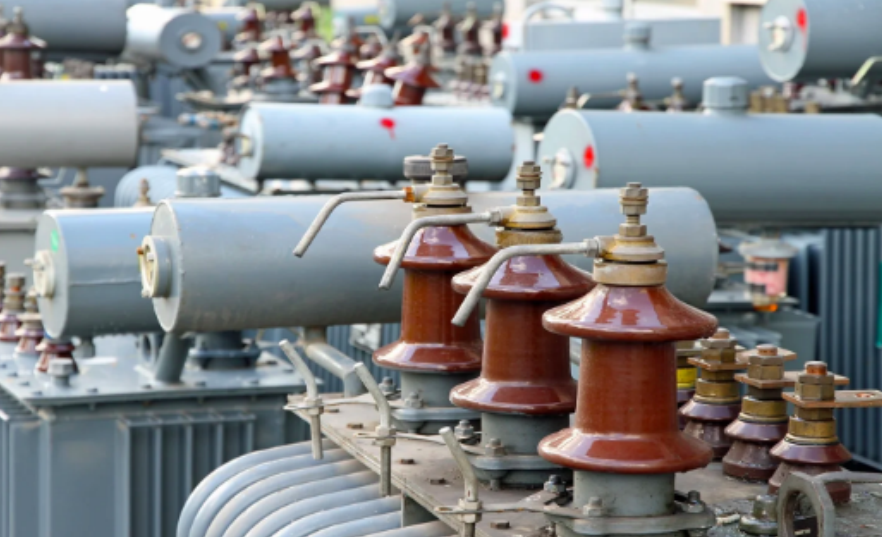
For exclusive deals and latest offers, sign up by entering your email address below.



 +86 18513032986
 FLC Center, Chaoyang District, Beijing, China
Copyright © DSJ Electrical Co., Ltd. All Rights Reserved
Power Distribution Equipment & System Manufacturer