+86 18513032986


Winter 2026 Power Challenges: Why Upgrading Grid Resilience is a Priority for North American Utilities
Admin 2026-01-21As North America grapples with record-breaking low temperatures and severe winter storms in early 2026, the electrical grid is facing its toughest test in years. The surge in heating demand, combined with harsh environmental conditions, has put unprecedented strain on power transmission networks. For utilities and facility managers, this season has underscored a critical reality: upgrading grid resilience is no longer optional.
Addressing the Weak Links in Infrastructure
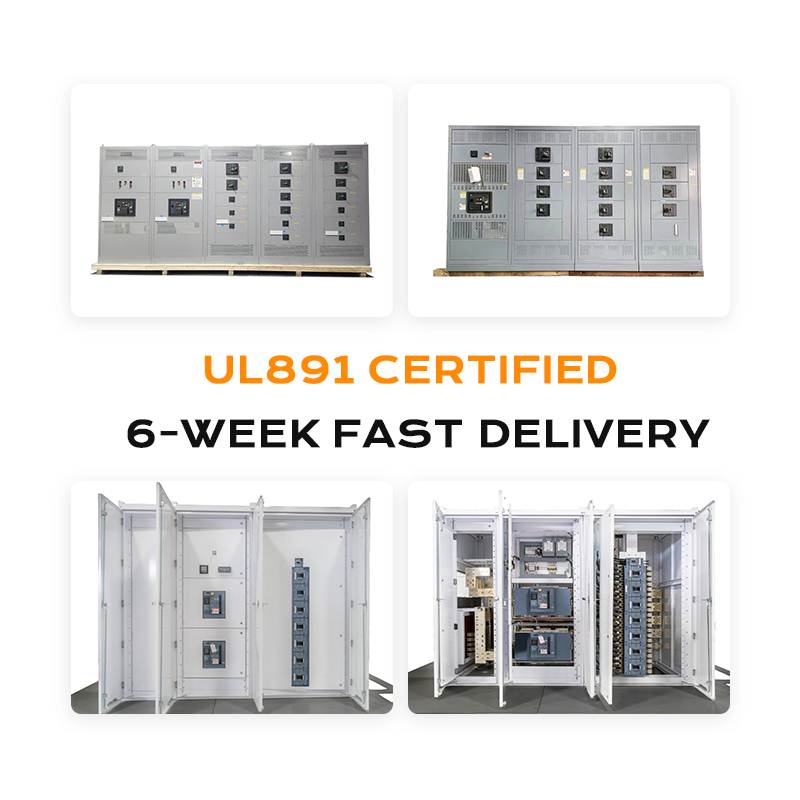
Most power failures during extreme weather are caused by aging infrastructure that cannot handle peak loads or thermal stress. To prevent widespread outages, there is a massive push across the U.S. and Canada to replace outdated units with modern, high-performance switchgear and switchboard systems. These components are vital for safe power distribution and ensuring that industrial sites remain operational during a freeze.
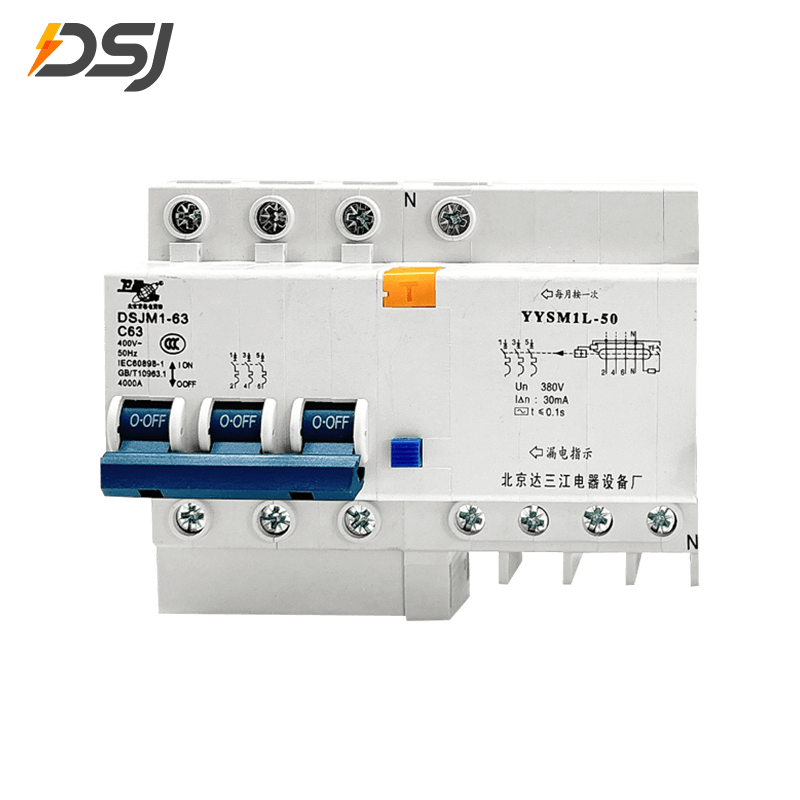
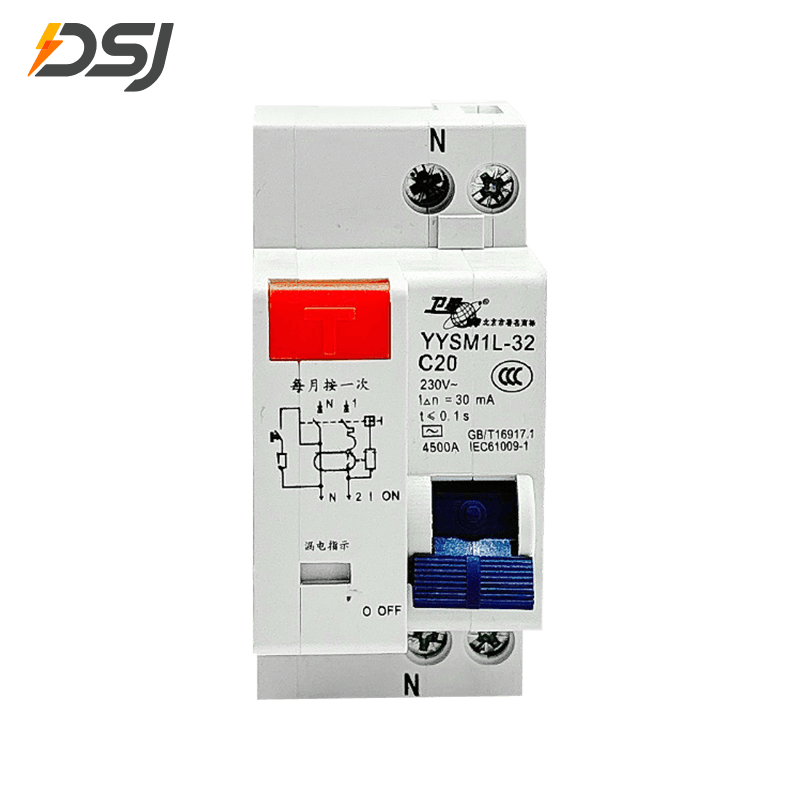
The reliability of a system often comes down to its protection strategy. High-quality circuit breakers are essential for isolating faults and preventing cascading grid failures when lines are stressed by ice and wind. In the context of 2026’s extreme weather, the ability of a circuit breaker to operate without mechanical failure at sub-zero temperatures has become a primary focus for grid engineers.
The Role of High-Performance Transformers
The demand for robust transformers has reached a new peak this winter. Whether it is a compact unit for urban areas or a heavy-duty oil-immersed transformer for industrial applications, the ability to operate efficiently in extreme climates is paramount. Modern oil-immersed transformers are now being engineered with advanced cooling and insulation properties to handle the fluctuating loads typical of the 2026 winter season, reducing the risk of core overheating or dielectric breakdown.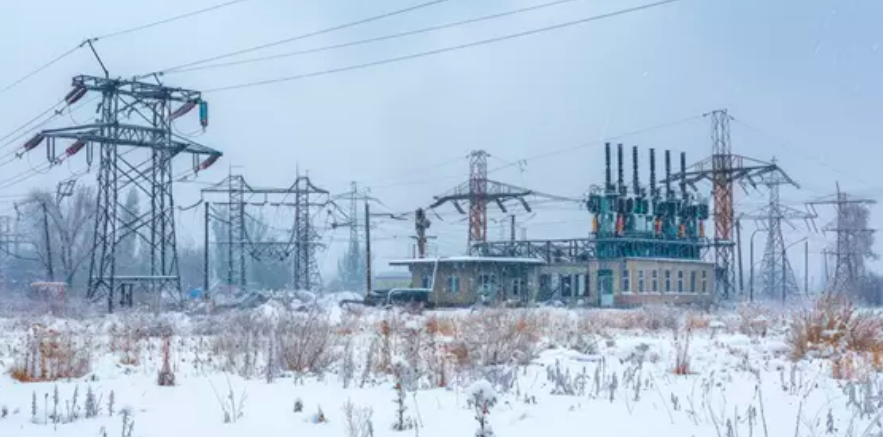
Looking Ahead: Standards and Reliability
As the industry moves forward, the focus is shifting toward long-term sustainability and compliance. The integration of equipment that carries UL certification is becoming a mandatory benchmark for North American projects, ensuring that every switchgear and transformer meets the highest safety and performance standards.
For the global supply chain, the challenge lies in consistency. As a switchgear manufacturer or transformer manufacturer, the priority is now centered on technical innovation that addresses these specific climatic challenges. Moving into the rest of 2026, the collaboration between utility providers and specialized equipment manufacturers will be the defining factor in building a grid that is not only smart but truly resilient against the elements.
For exclusive deals and latest offers, sign up by entering your email address below.



 +86 18513032986
 FLC Center, Chaoyang District, Beijing, China
Copyright © DSJ Electrical Co., Ltd. All Rights Reserved
Power Distribution Equipment & System Manufacturer