+86 18513032986


More Than a "Metal Box" — The Safety Logic Behind UL891 Switchboards
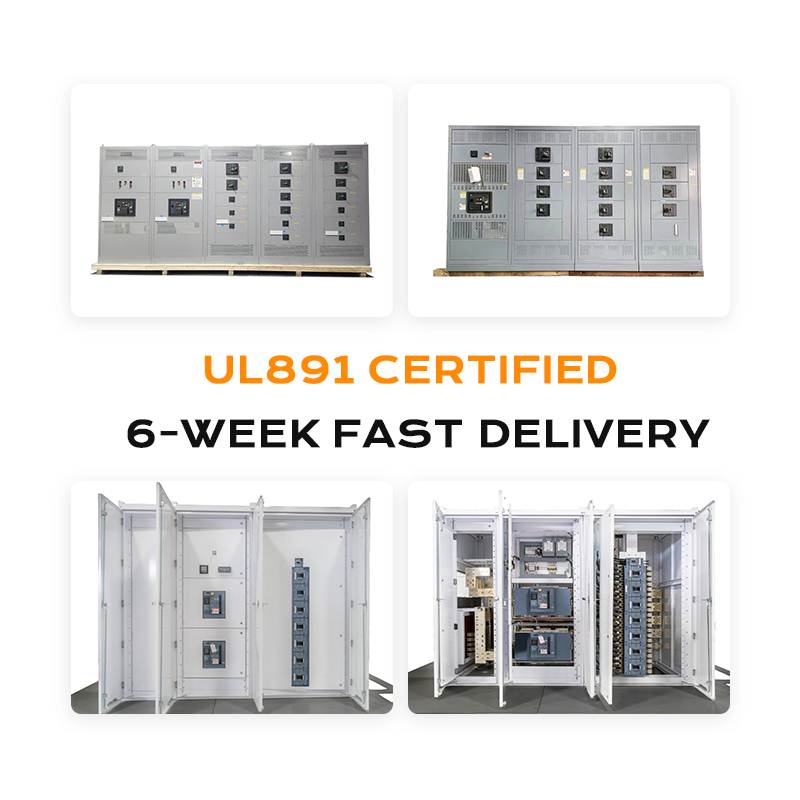
Admin 2026-04-28To the untrained eye, a switchboard can look like little more than a simple metal enclosure filled with switches, designed to take power in and send it out. While that basic description of its function is true, it overlooks the most critical question engineers must answer: what happens when tens of thousands of amps of fault current surge through the system in milliseconds? Will the box hold together, or will it become a dangerous projectile? The UL891 standard exists to answer that question definitively, and its requirements go far deeper than the steel shell suggests.
Good engineering does not pretend that failures will never happen; it admits that they will and then ensures the consequences are controlled. The short-circuit withstand test in UL891 is the ultimate expression of this philosophy. During this test, the switchboard is subjected to a simulated fault current in a laboratory setting—sometimes reaching up to 200,000 amps. In that instant, the internal temperature skyrockets and electromagnetic forces try to twist thick copper bus bars like they were made of soft wire. UL891 mandates that after this violent event, the enclosure must not crack or throw dangerous fragments, the doors must not blow open from the pressure, and the grounding path must remain completely intact. This rigorous validation ensures that no matter how violent the internal energy release becomes, the danger stays locked securely behind that metal door, protecting anyone standing nearby.
While a short circuit is like a sudden heart attack for an electrical system, excessive temperature rise is more akin to chronic high blood pressure—it is a silent but persistent threat that shortens the lifespan of the equipment every single day. When running at full load, every component from the main bus bars to the smallest terminal generates heat. UL891 requires that the temperature rise on all these conductive parts remains within strict limits after running continuously until the system reaches thermal stability. This attention to heat is vital because a connection that runs just a few degrees too hot can cut the expected life of insulation materials in half, and constant overheating leads to metal creep and loosening bolts. This creates a dangerous feedback loop of increased resistance and more heat that can quietly spiral into arc faults or electrical fires over time.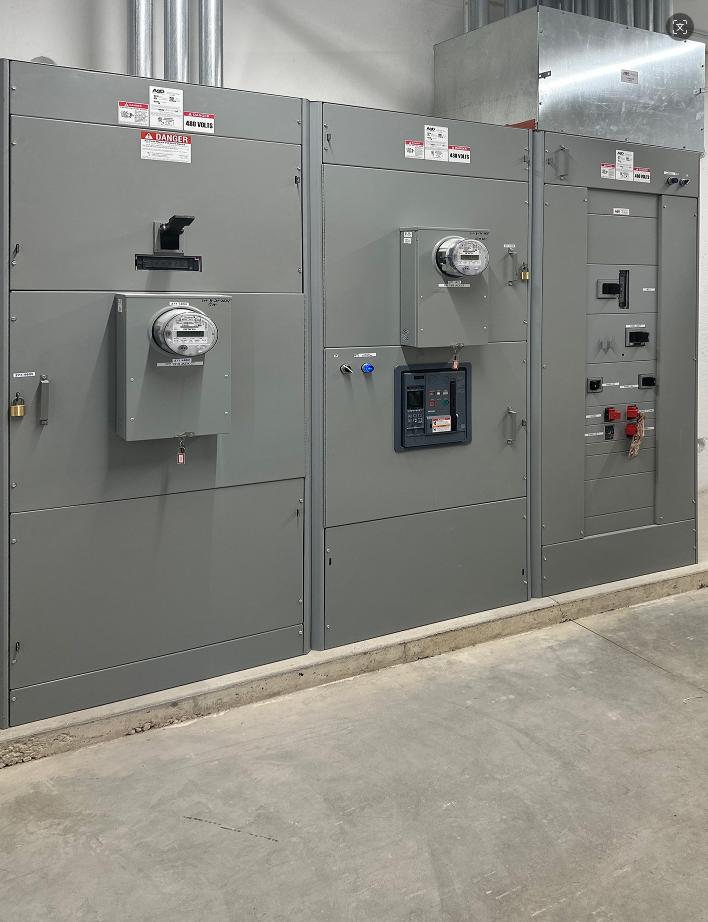
Beyond managing heat and force, the internal architecture of a UL891 board is a carefully planned strategy for energy containment and redirection. When you open one of these units, you will notice it is not one vast empty space but rather a series of compartments separated by grounded metal barriers. These divisions create distinct areas for the bus work, the breakers, and the cables. Should an arc fault occur in one compartment, the resulting blast—which can reach temperatures of 20,000°C—is not free to expand unchecked. Instead, the barriers serve to block the flame from spreading sideways while simultaneously guiding the explosive pressure toward dedicated vent flaps located at the top or rear of the enclosure. This "block and release" strategy acknowledges that equipment can fail, but it ensures that the failure is directed safely away from personnel and adjacent gear.
Finally, the standard pays close attention to the details that often go unnoticed until an emergency occurs. The insulation materials used inside the switchboard must meet stringent flame resistance ratings, ensuring that even under fault conditions the internal components do not become fuel for the fire. Equally important is the permanent nameplate affixed to the equipment, which serves as a critical communication tool for the electrician who might service the board ten years from now. That label clearly defines the voltage, current, and short-circuit ratings, removing the guesswork that can lead to dangerous mistakes.
In essence, every single clause within UL891 is a lesson derived from real-world incidents and near misses. At manufacturing facilities like DSJ Electrical Co., Ltd, these standards drive every aspect of production, from the precise torque applied to a bus bar bolt to the validation of a pressure vent. Real safety in these systems is not an add-on feature or a simple sticker on the door; it is a comprehensive defense logic built into the design, the materials, and the testing from the very beginning.
For exclusive deals and latest offers, sign up by entering your email address below.



 +86 18513032986
 FLC Center, Chaoyang District, Beijing, China
Copyright © DSJ Electrical Co., Ltd. All Rights Reserved
Power Distribution Equipment & System Manufacturer