


Low-Voltage Switchboards play a central role in this equation. As the backbone of facility-level power distribution, these systems manage how electricity flows safely and efficiently throughout industrial plants, commercial buildings, and infrastructure installations. Because each project has unique load profiles, site conditions, and expansion plans, standard configurations often cannot fully address the needs of engineers or EPC contractors. Customization therefore becomes essential, particularly when projects require specialized cable entry arrangements, utility metering configurations, or integration with monitoring and control systems.
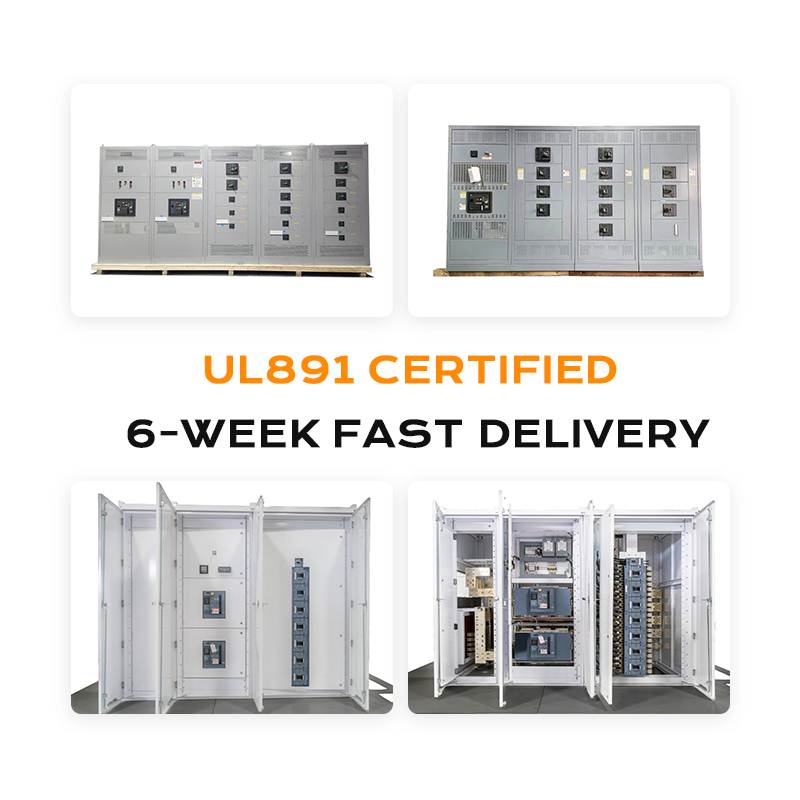
Custom UL 891 low-voltage switchboards are designed to meet these demands while maintaining strict safety and performance standards. The UL 891 standard, widely recognized across the United States and supported by OSHA and federal safety frameworks, ensures that switchboards meet rigorous requirements for construction, testing, and electrical reliability. For engineers and procurement teams, selecting UL-certified equipment provides confidence that the system will comply with regulatory expectations while delivering long-term operational stability.
Industrial facilities, for example, may require front or side cable connections to accommodate installation constraints, while outdoor infrastructure projects often demand weather-resistant enclosures such as NEMA 3R configurations. At the same time, many projects require integration with utility metering, control systems, or future load expansion plans. A well-designed switchboard must therefore balance customization, safety, and maintainability.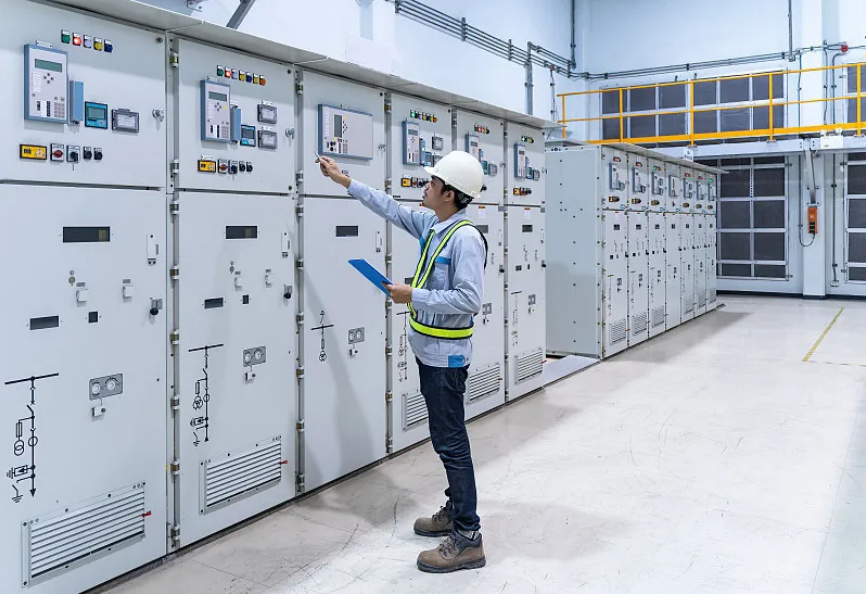
This is why many manufacturers are shifting toward more collaborative design processes. Instead of delivering purely standardized products, engineering teams increasingly begin with detailed consultations that examine electrical requirements, load characteristics, regulatory compliance needs such as EUSERC standards, and long-term expansion strategies. By understanding the full context of a project, manufacturers can design switchboard configurations that optimize power distribution, reduce energy losses, and simplify future upgrades.
Manufacturing capability also plays a critical role in determining whether these customized solutions can be delivered on schedule. Supply chain disruptions and growing demand for electrical equipment have significantly extended lead times in recent years, creating challenges for EPC contractors and procurement managers. To address this issue, some manufacturers are investing in streamlined production systems, maintaining larger inventories of critical electrical components, and using advanced manufacturing technologies to shorten production cycles without compromising quality.
Component selection is another key factor in switchboard reliability. Many engineers prefer systems that incorporate well-established electrical brands such as ABB, Siemens, Schneider Electric, or LS Electric. These components provide proven performance and compatibility across a wide range of industrial applications. When combined with robust manufacturing processes and rigorous quality control testing, they help ensure that Low-Voltage Switchboards can operate safely under demanding conditions while remaining accessible for maintenance and service.
Ultimately, the value of a low-voltage switchboard extends far beyond the equipment itself. Reliable electrical distribution directly affects facility uptime, operational efficiency, and long-term maintenance costs. For industries where power interruptions can halt production or disrupt critical operations, selecting the right distribution system becomes a strategic decision rather than a simple procurement task.
As electrification accelerates worldwide, the ability to deliver customized, compliant Low-Voltage Switchboards quickly is becoming an increasingly important advantage. Manufacturers who combine engineering expertise, high-quality components, and efficient production processes will play a crucial role in supporting the next generation of industrial and commercial power infrastructure. For project teams working under tight timelines, these capabilities can make the difference between delayed commissioning and a smoothly executed power distribution system.



 +86 18513032986
 FLC Center, Chaoyang District, Beijing, China