+86 18513032986


Practical Guide for Engineers: Safely Applying UL891 Switchboards
Admin 2026-02-10Content
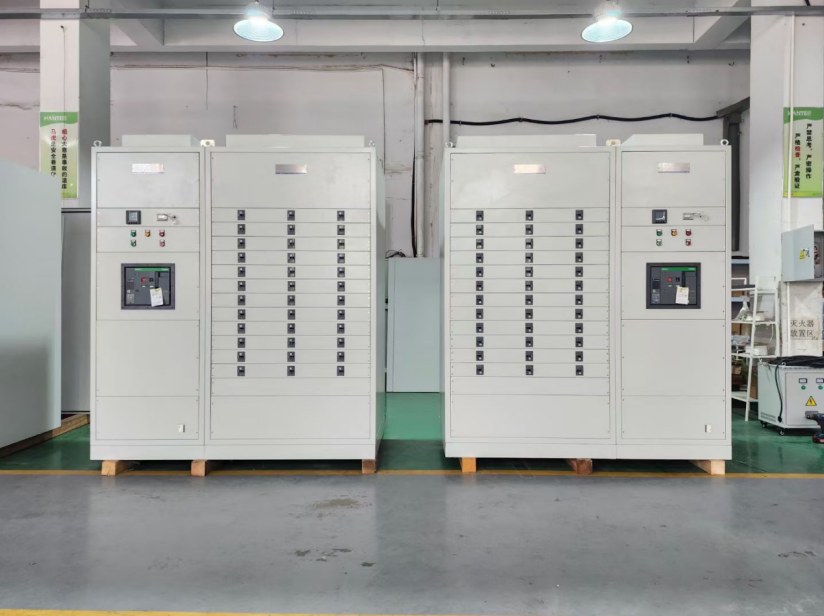
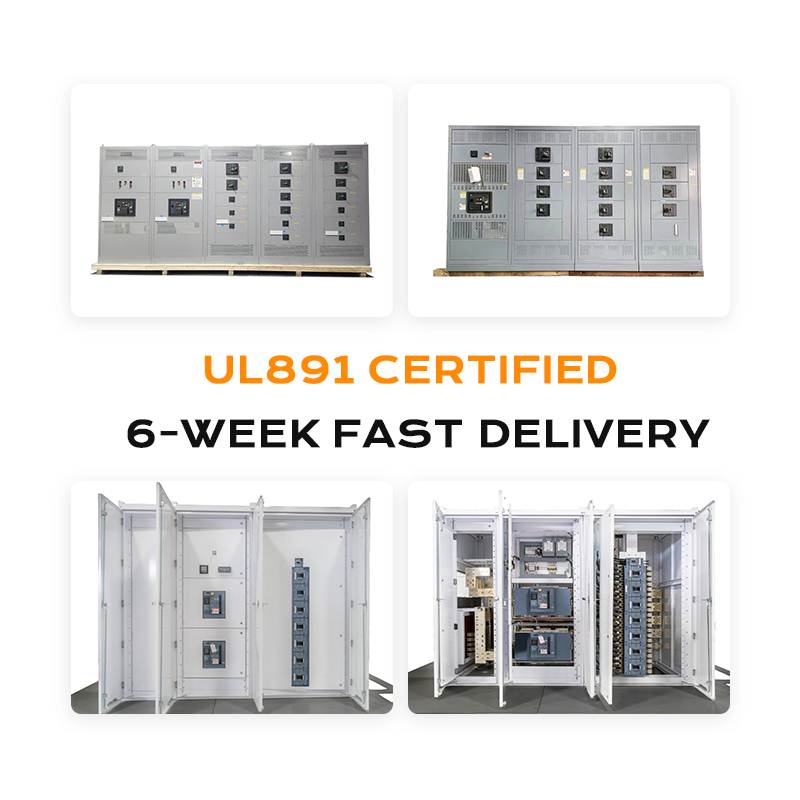
UL891 switchboards are a common choice for low-voltage power distribution in commercial buildings, offices, and light industrial projects. They are popular for their standardized design and cost-effectiveness. However, it's crucial for engineers to understand that they are fundamentally different from more robust designs like UL1558 switchgear. At DSJ Electrical, we stress that knowing these limits is the first step to ensuring safety.
1. Start with the Right Application: Match the Gear to the Job
Think of a UL891 switchboard as a reliable workhorse for standard jobs, not a heavy-duty solution for everything. It's designed for:
Stable loads with moderate available fault current.
Floor-by-floor power distribution and lighting panels in commercial buildings.
Auxiliary power distribution in light assembly or processing areas.
Avoid using UL891 switchboard installations in demanding environments such as:
Heavy industrial settings with continuous processes and large, frequently cycling motors.
Locations with very high available fault current (always verify the switchboard's short-circuit rating).
Harsh environments with dust, moisture, or corrosive gases.
Mission-critical applications like data center core distribution or process control power. For these, consider fully rated, compartmentalized UL1558 switchgear or IEC 61439-2 certified assemblies.
Key Specifications to Verify:
Short-Circuit Rating: The switchboard's marked short-circuit current rating must exceed the maximum available fault current at the installation point. Remember, UL891 tests the bus and structure's ability to withstand a fault, not to interrupt it.
Current Rating & Derating: Factor in ambient temperature. Derate the switchboard's current-carrying capacity according to the manufacturer's instructions if needed.
2. Proper Installation: Good Practices Build a Safe Foundation
Correct installation ensures the equipment performs as certified.
Use Qualified Personnel: Installation must be performed by licensed electricians following the NEC and all local codes.
Provide Clearance for Airflow: Maintain the minimum clearance around the switchboard as specified by the manufacturer for cooling and maintenance. Never install it in a confined space.
Ensure Robust Connections:
oTorque Connections: Use a torque wrench to tighten all bus and cable terminations to the specified values. Loose connections are a primary cause of overheating.
oGrounding: Establish a reliable, low-impedance equipment grounding system. The switchboard ground bus must be securely bonded to the grounding electrode system.
3. The Golden Rule of Operation: No Unapproved Modifications
This is the most common and serious risk we see at DSJ Electrical.
How Certification Works: A UL891 listing applies to a specific assembled configuration—including the bus, specific breaker types/sizes, and layout. Any modification not evaluated by the original manufacturer or a qualified professional voids the listing and creates a safety hazard.
What You Should Never Do:
oAdd extra circuits that could overload the bus.
oReplace breakers or bus with larger sizes, disrupting the original thermal and short-circuit design.
oRemove or alter interior barriers, insulation, or other parts that affect clearance.
If Loads Increase: The correct approach is a full system evaluation. Consider adding a new distribution section or upgrading the entire assembly. Do not attempt to modify the original listed switchboard.
4. Proactive Maintenance: Find Problems Before They Find You
Regular maintenance extends equipment life and prevents failures.
Routine Visual Inspections: Look for signs of abnormal noise, overheating (discoloration), condensation, or dust buildup.
Infrared Thermography: Periodically scan terminations and connections with an IR camera. This is the best way to spot hidden hot spots.
Cleaning: Safely de-energize the equipment and use dry, compressed air to remove dust, which can impair cooling and insulation.
Conclusion
A UL891 switchboard is an efficient, economical product. Its safe operation depends entirely on using it within the boundaries of its certification. At DSJ Electrical, we advise engineers and facility teams to treat it as a complete, integrated safety system—not just a modular cabinet.
Respect the design. Follow the rules. Maintain it properly. These are the core principles for ensuring safe, reliable, long-term service from your power distribution system.
For exclusive deals and latest offers, sign up by entering your email address below.



 +86 18513032986
 FLC Center, Chaoyang District, Beijing, China
Copyright © DSJ Electrical Co., Ltd. All Rights Reserved
Power Distribution Equipment & System Manufacturer