+86 18513032986


SAA Certified & RCM Compliant Components: DSJ's Strict Compliance for Australian Electrical Projects
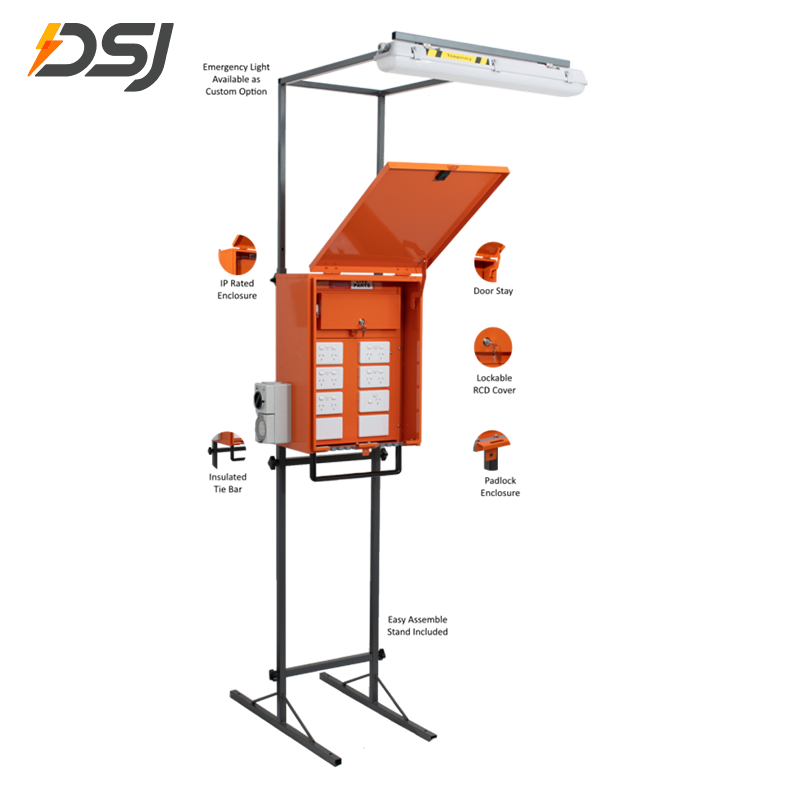
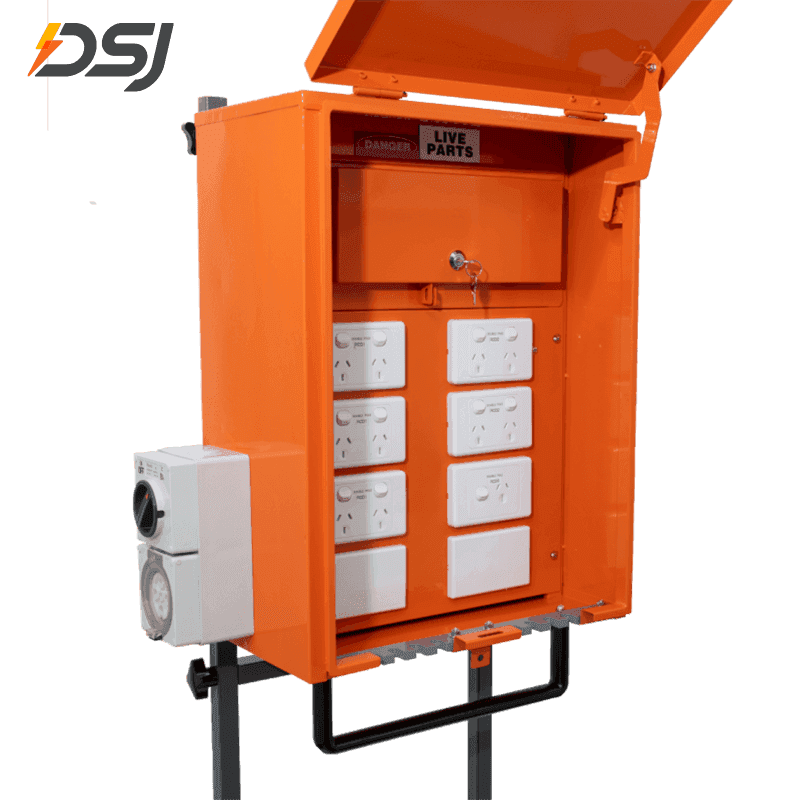
Admin 2026-07-02As the Australian electrical industry continues to enforce stringent safety and performance standards, regulatory compliance has become the core benchmark for qualifying electrical equipment, especially for temporary power distribution systems and low-voltage switchgear widely used in construction, commercial, and industrial projects. For decades, DSJ has adhered to Australian local electrical regulations and industry specifications, fully adopting SAA-certified core switch components and RCM-compliant electrical accessories in all customized power distribution cabinet solutions. This standardized component selection and strict compliance system ensures every DSJ power distribution product delivers maximum safety, stability, and adaptability for Australian job sites, consolidating our leading position in the local temporary power equipment manufacturing sector.
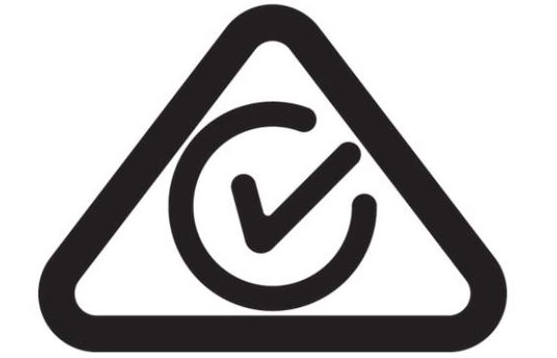
To better serve long-term partners and new clients across Australia, it is essential to clarify the definitions, core differences, and complementary relationship between SAA certification and RCM compliance, two pivotal certification systems governing Australian electrical product market access. Many industry practitioners often confuse the two standards, yet they undertake distinct regulatory responsibilities and form a complete safety compliance system for Australian electrical equipment together.
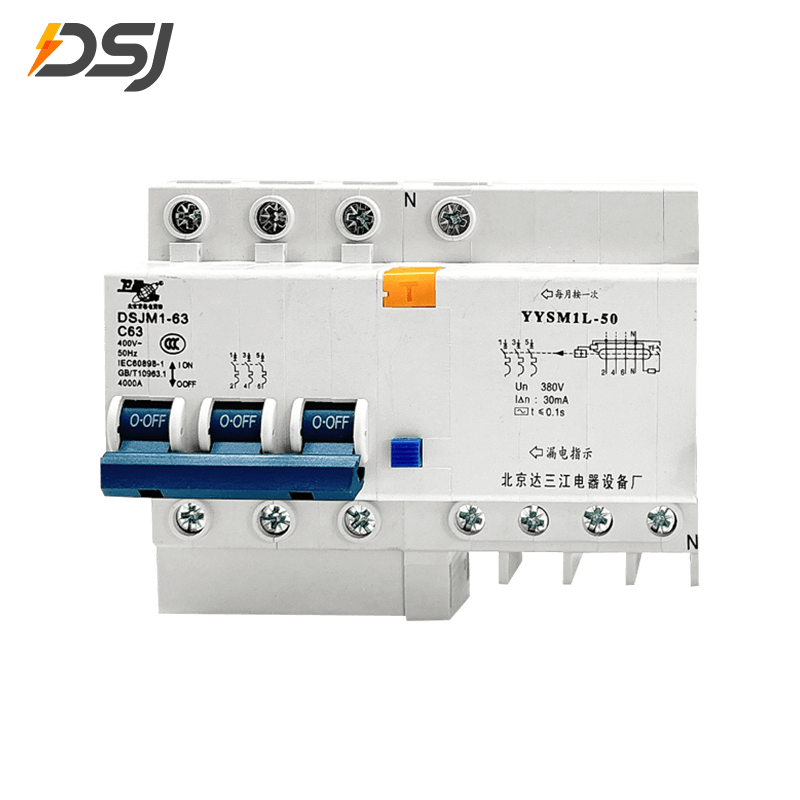
SAA certification, originating from the Standards Association of Australia, is a professional safety certification focusing on the electrical safety performance of high-risk electrical components. Authorized and issued by NATA-accredited third-party institutions, it involves rigorous professional testing and standardized factory audit procedures. The certification primarily verifies core safety indicators of electrical equipment, including insulation performance, overcurrent resistance, heat resistance, and anti-breakdown capability. For key power components such as circuit breakers, isolation switches, and master switches applied in Australian temporary power cabinets, SAA certification is the fundamental safety threshold. All CHINT brand switches adopted by DSJ have obtained official SAA certification, fully complying with Australian AS/NZS electrical safety standards, effectively preventing common electrical risks such as electric leakage, short circuit, and equipment burnout, and laying a solid foundation for the safe operation of on-site power distribution systems.
Different from SAA’s single focus on electrical safety, RCM (Regulatory Compliance Mark) is a mandatory unified compliance mark for Australian electrical product market access, covering three core regulatory dimensions: electrical safety, electromagnetic compatibility (EMC), and supplier statutory declaration. Implemented nationwide by Australia since 2013 to unify scattered local certification standards, RCM is a legal prerequisite for all low-voltage electrical appliances, sockets, and terminal power accessories to enter the Australian market. Notably, high-risk electrical products must obtain valid SAA safety certification reports first before completing RCM registration and labeling, which means SAA certification is the core technical premise of RCM full compliance.
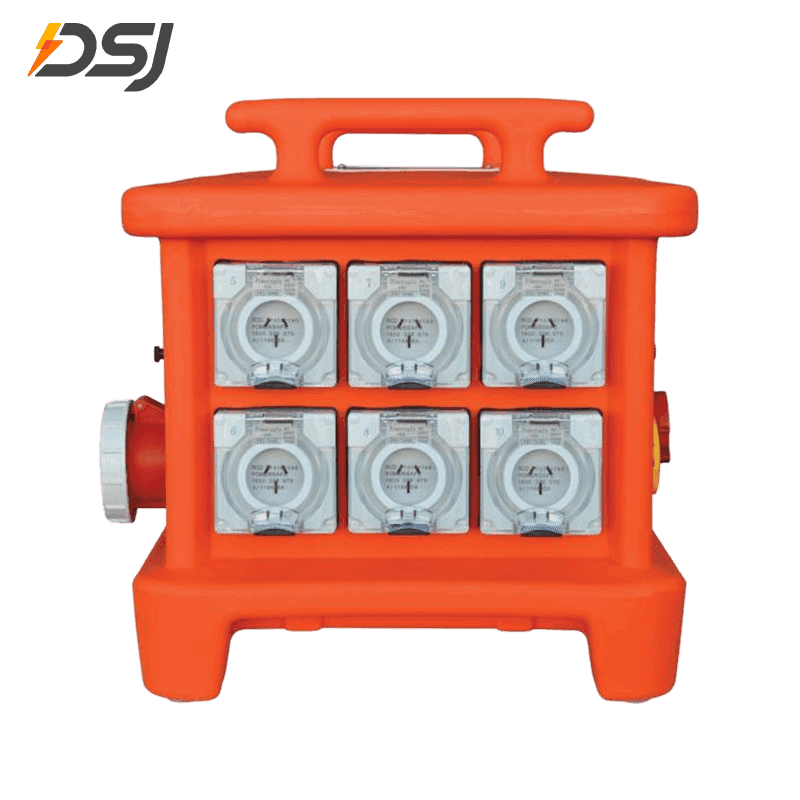
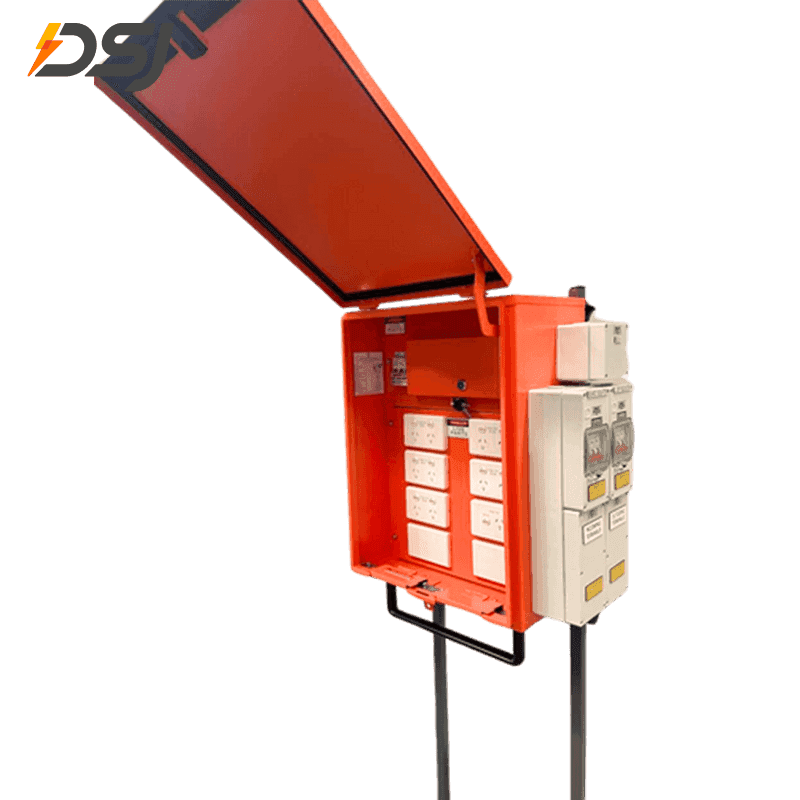
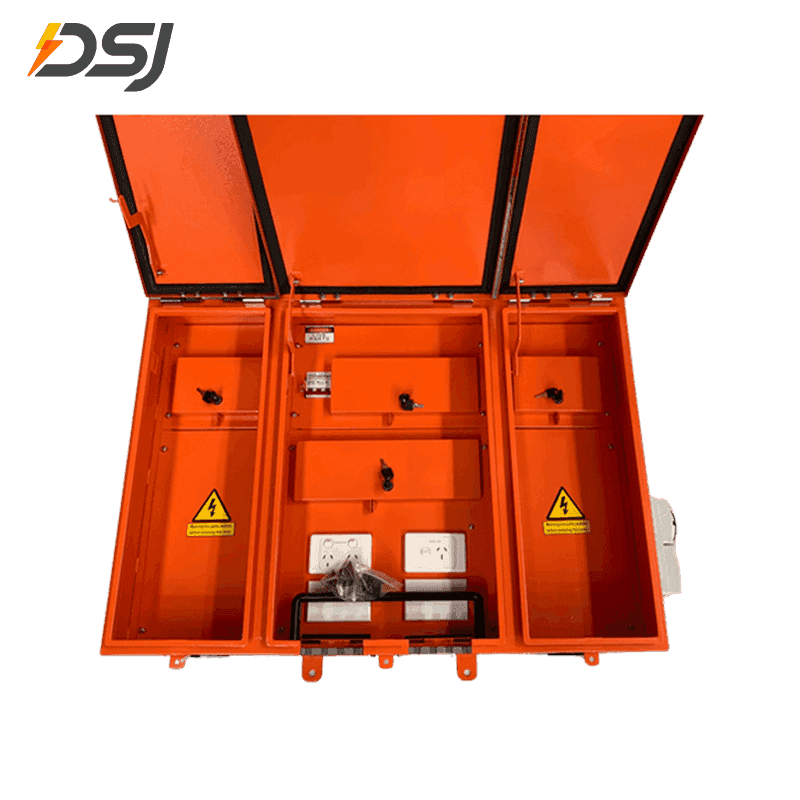
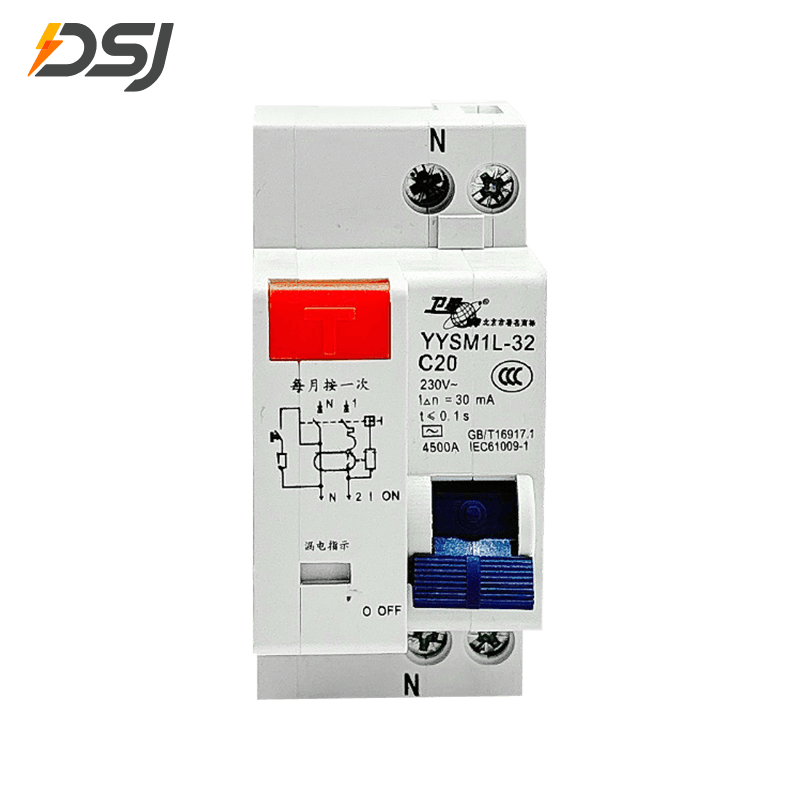
In actual project configuration, DSJ implements a differentiated and standardized component matching mechanism based on Australian regulatory requirements. For core power control components such as switches and protection devices that bear high operational risks, we exclusively select SAA-certified products to ensure ultimate electrical safety performance. For terminal accessories including Australian standard sockets and leakage protectors supporting on-site power consumption, all are fully RCM compliant. Every socket in DSJ’s power distribution solutions is independently equipped with a matched residual current device (RCD), forming a dual safety protection structure of “main switch overall protection + terminal socket independent leakage protection”. This precise matching of SAA safety certification and RCM full-standard compliance completely meets the mandatory requirements of Australian construction site electrical specifications.
Adhering to this strict compliance concept, DSJ has accumulated over 40 years of professional experience in manufacturing Australian standard temporary power distribution cabinets. We have long-term cooperative relationships with local Australian enterprises, and a well-known local Australian lighting company has purchased more than 400 sets of customized temporary power cabinets from DSJ in batches. All delivered equipment consistently adopts SAA and RCM dual-standard compliant components, achieving zero safety accidents and zero non-compliance issues in actual on-site operation, winning high recognition and stable cooperative trust from local clients.
Beyond standardized component selection, DSJ integrates compliance requirements into the entire project delivery process. For each customized project, we will formulate a targeted project work plan, clarify phased delivery standards and compliance verification indicators, and strictly confirm all final configurations and construction drawings with clients in advance. This whole-process control ensures that every product not only meets SAA and RCM certification standards but also precisely adapts to the personalized needs and on-site working conditions of client projects. As a professional power distribution cabinet manufacturer with independent factories, DSJ supports clients to visit the factory at any stage of production for on-site inspection, technical communication, and quality acceptance, making product compliance and quality transparent and traceable.
In the future, DSJ will continue to take Australian local compliance standards as the core, further optimize product component selection and manufacturing processes, maintain the dual advantages of “strict certification compliance + mature local project experience”, and provide safer, more standardized, and more reliable customized power distribution solutions for Australian construction, commercial, and industrial electrical projects.
For exclusive deals and latest offers, sign up by entering your email address below.



 +86 18513032986
 FLC Center, Chaoyang District, Beijing, China
Copyright © DSJ Electrical Co., Ltd. All Rights Reserved
Power Distribution Equipment & System Manufacturer