+86 18513032986


Smart Power Management: How IoT and Digital Monitoring are Transforming Industrial Efficiency
Admin 2026-01-24Content
In the era of Industry 4.0, electricity is no longer just a utility to be consumed—it is a critical data source to be managed. As global energy prices fluctuate and sustainability mandates tighten, industrial facilities are moving away from "passive" electrical setups toward intelligent, connected environments. The integration of the Internet of Things (IoT) into the power distribution system is at the heart of this transformation, turning traditional hardware into proactive assets.
From Passive Hardware to Intelligent Nodes
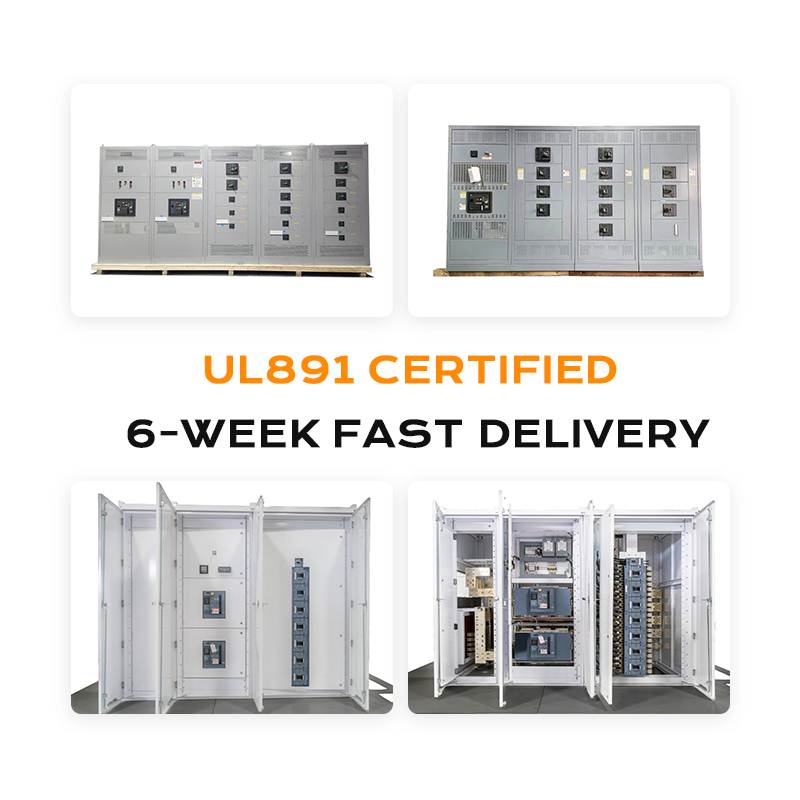
Historically, the switchgear and switchboard were seen as purely mechanical safeguards, designed to interrupt circuits during faults. Today, these components have evolved into intelligent nodes. Modern switchgear is now frequently equipped with thermal sensors and humidity monitors that transmit real-time data to the cloud. By analyzing these data points, facility managers can identify "hot spots" in a switchboard before they lead to catastrophic failure, moving maintenance from a reactive schedule to a predictive one.
Enhancing Reliability at the Core: The Smart Transformer
The transformer remains the cornerstone of any industrial power setup, but its role is being redefined by digital monitoring. IoT-enabled transformers can now track oil levels, winding temperatures, and load cycles in real-time. This level of oversight ensures that the equipment operates within optimal parameters, extending the lifespan of the hardware and preventing unexpected surges from disrupting the internal power distribution system.
Synchronizing with a Dynamic Power Grid
As the modern power grid becomes more complex with the addition of decentralized renewable energy, industrial plants must be more agile. Digital monitoring allows a facility to synchronize its demand with grid conditions. Through smart switchgear and automated control systems, factories can perform "load shedding" or peak shaving, reducing costs when the power grid is under high stress.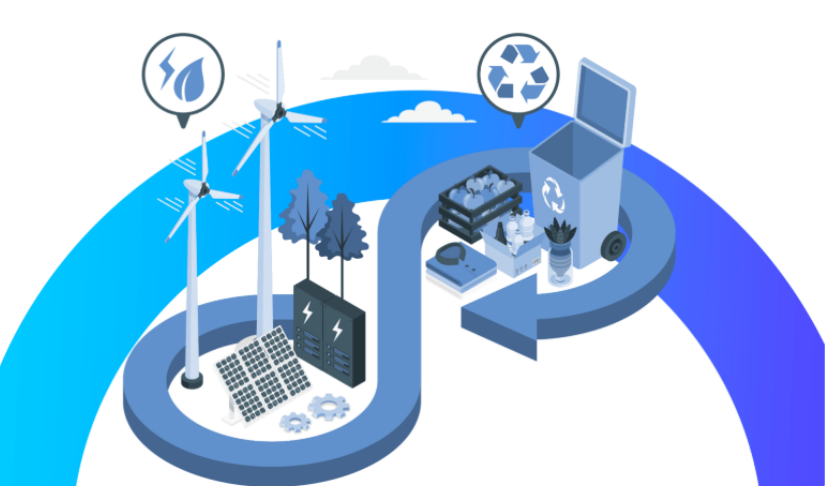
The Future of Industrial Energy
The shift toward smart power management is driving a new standard for industrial efficiency. By digitizing the path from the transformer to the final switchboard, companies are achieving unprecedented levels of uptime and energy transparency. In 2026 and beyond, the most competitive industrial players will be those who treat their power distribution system not just as a series of cables and boxes, but as a sophisticated, data-driven network.
For exclusive deals and latest offers, sign up by entering your email address below.



 +86 18513032986
 FLC Center, Chaoyang District, Beijing, China
Copyright © DSJ Electrical Co., Ltd. All Rights Reserved
Power Distribution Equipment & System Manufacturer