+86 18513032986


The Backbone of Renewable Energy: Scaling Battery Storage with Smart Distribution Systems
Admin 2026-01-23Content
As the global transition toward carbon neutrality accelerates, the integration of intermittent renewable energy sources—such as solar and wind—into the power grid has become the industry’s greatest challenge. To ensure a stable and resilient energy supply, Battery Energy Storage Systems (BESS) are no longer optional; they are the essential "buffer." However, the true success of scaling energy storage lies not just in the battery cells, but in the sophistication of the power distribution system that connects them to the world.
The Critical Bridge: Transformers and Voltage Stability
For any large-scale energy storage project, the transformer serves as the vital link. Because battery arrays operate at different voltage levels than the utility-scale power grid, high-efficiency transformers are required to step up the voltage for long-distance transmission or step it down for localized industrial use. In 2026, the industry is seeing a shift toward "smart transformers" that can handle the bidirectional power flow inherent in charging and discharging cycles, ensuring minimal energy loss.
Precision Control: The Role of Switchgear and Switchboards
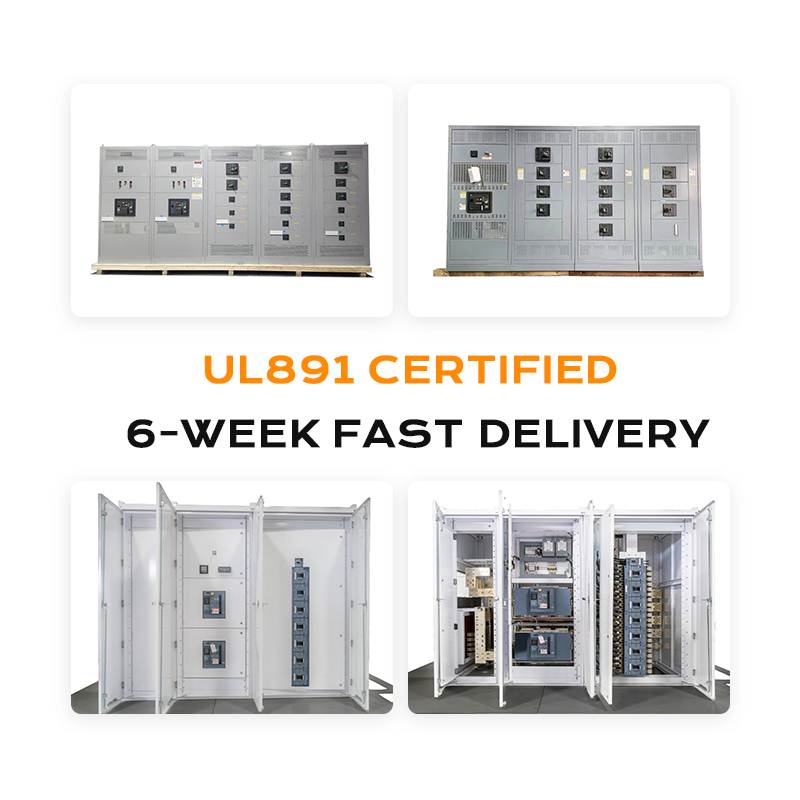
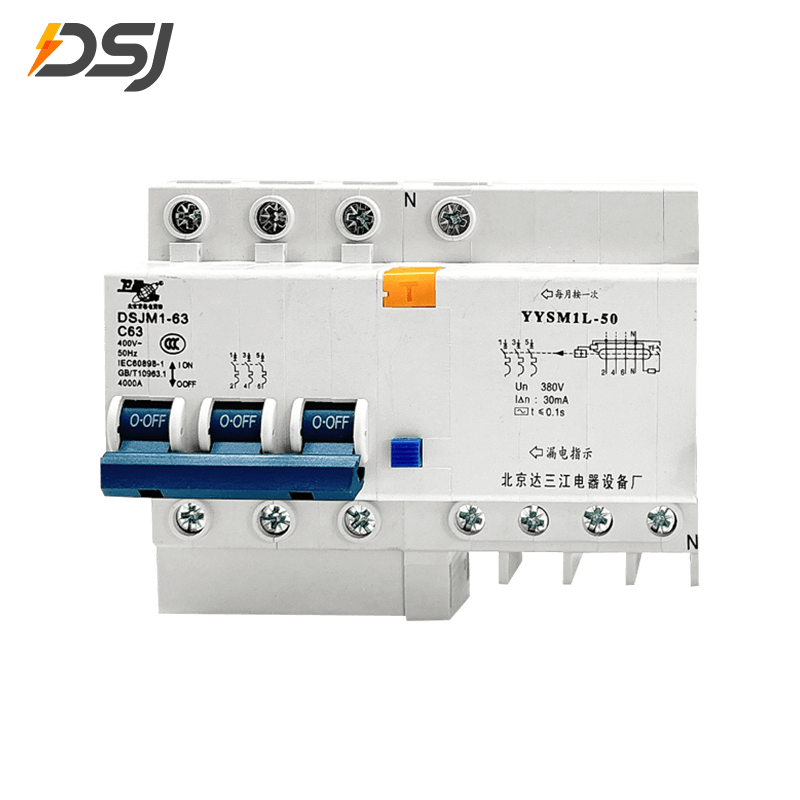
Managing the massive currents within a BESS facility requires robust protection and distribution hardware. This is where modern switchgear becomes the first line of defense. High-performance medium-voltage and low-voltage switchgear are critical for isolating circuits during faults and protecting sensitive battery management systems (BMS) from surges.
Furthermore, the switchboard acts as the central nervous system of the facility. As storage projects grow in complexity, the demand for custom-engineered switchboards has surged. These units are now expected to integrate IoT sensors and digital monitoring to provide real-time data on load distribution, ensuring that power is routed efficiently across the entire power distribution system.
The Shift to Bidirectional Grids
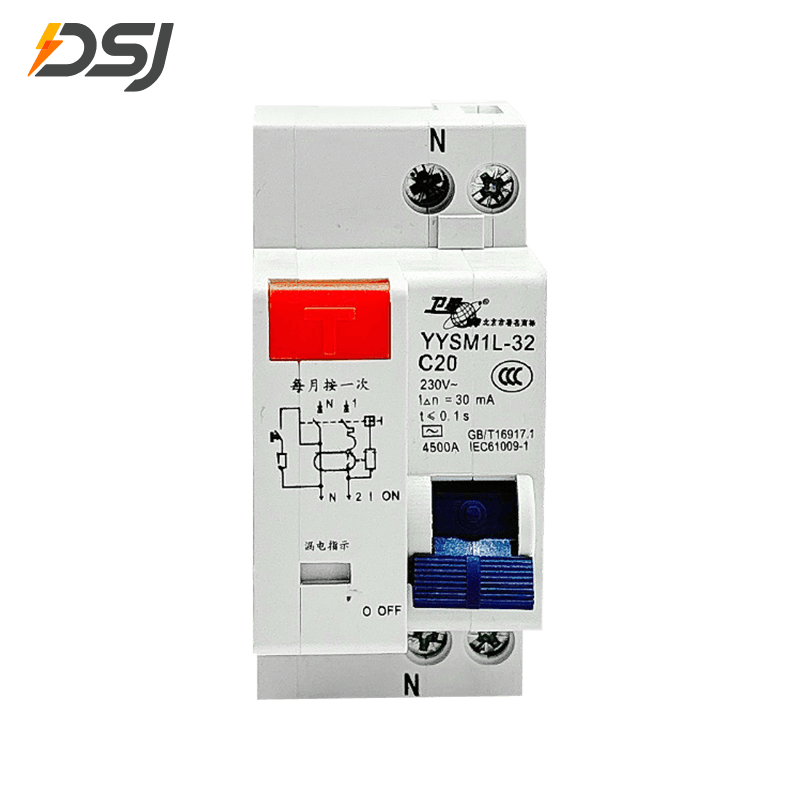
Traditional electrical infrastructure was designed for a one-way flow from centralized power plants to consumers. The rise of decentralized storage is forcing a redesign of the power grid. Modern power distribution systems must now be agile enough to switch between "grid-following" and "grid-forming" modes. In this new landscape, the reliability of every component—from the smallest breaker in a switchboard to the primary Transformer—directly impacts the stability of the green energy transition.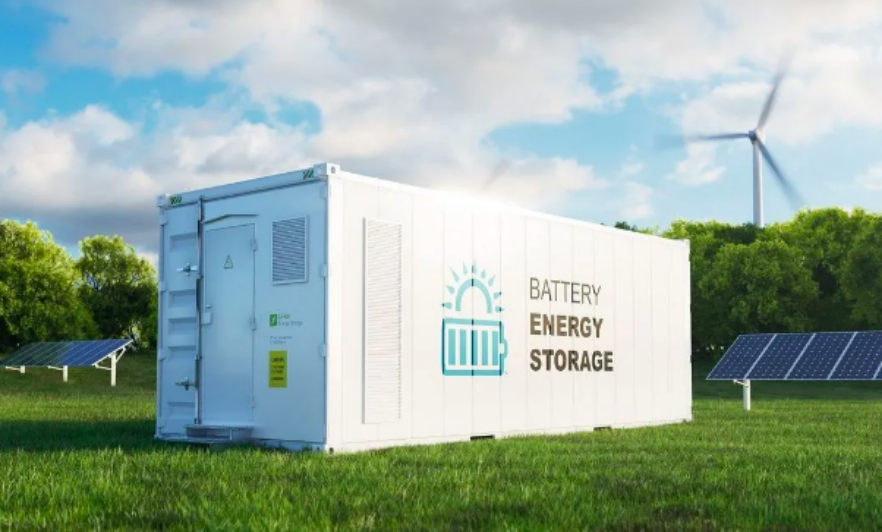
Conclusion
As we look toward the end of the decade, the "Backbone of Renewable Energy" will be defined by the seamless integration of hardware. The industry’s focus is clearly shifting toward smarter, more modular switchgear and high-resilience transformers that can withstand the rigors of 24/7 energy cycling. For global infrastructure developers, choosing the right distribution technology is no longer just a technical detail—it is the foundation of a sustainable energy future.
For exclusive deals and latest offers, sign up by entering your email address below.



 +86 18513032986
 FLC Center, Chaoyang District, Beijing, China
Copyright © DSJ Electrical Co., Ltd. All Rights Reserved
Power Distribution Equipment & System Manufacturer