+86 18513032986


Solid State Transformers: The Next Frontier in Power Distribution
Admin 2026-02-05Content
In the evolving landscape of modern energy, the traditional electromagnetic transformer—a cornerstone of electrical grids for over a century—is facing a high-tech challenger: the Solid State Transformers (SST). Often described as the "smart transformer," SST technology is poised to redefine how we manage, distribute, and optimize power.
What Is a Solid State Transformer?
Unlike traditional transformers that rely solely on electromagnetic induction through copper coils and iron cores, an SST utilizes advanced power electronics to perform voltage conversion. It is a complex system of high-power semiconductors, high-frequency transformers, and sophisticated control circuits that work together to manage electricity flow actively.
The Working Principle and Key Components
The operation of an SST typically involves three critical stages:
1. AC to DC Conversion: The incoming high-voltage AC is rectified into DC.
2. High-Frequency Isolation: This DC is converted into a high-frequency AC signal, passed through a compact high-frequency transformer, and then rectified back to DC. This stage provides the necessary galvanic isolation.
3. DC to AC Conversion: Finally, the DC is inverted back to the desired AC voltage and frequency for the end-user.
Key components include Wide-Bandgap (WBG) semiconductors (such as Silicon Carbide or Gallium Nitride), high-frequency magnetic cores, and digital signal processors (DSPs) for real-time control.
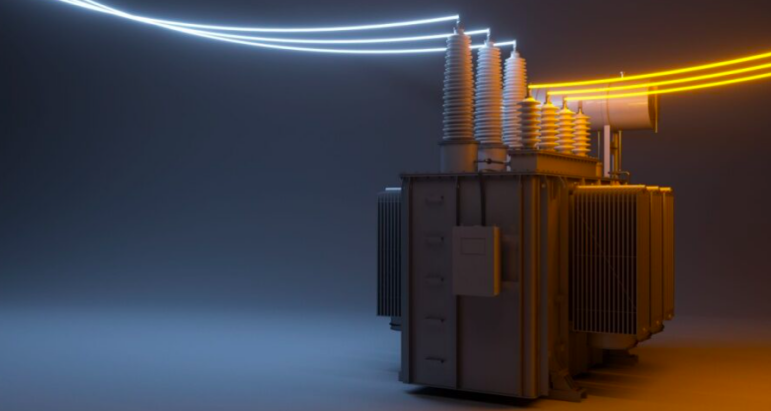
SST vs. Traditional Transformers: Key Differences
The shift from "passive" to "active" technology brings several transformative advantages:
Controllability: Traditional transformers are passive devices. SSTs, however, can actively regulate output voltage and frequency, regardless of input fluctuations.
Size and Weight: Because SSTs operate at high frequencies (kilohertz rather than the standard 50/60Hz), the internal magnetic components can be significantly smaller and lighter.
Power Quality: SSTs can filter harmonics, compensate for reactive power, and prevent voltage sags—tasks that require additional equipment in traditional setups.
Bidirectional Flow: SSTs naturally support two-way power flow, making them ideal for modern grids where consumers also produce energy (e.g., rooftop solar).
Opportunities and Challenges
The Opportunities
The rise of Smart Grids and Electric Vehicle (EV) charging infrastructure represents the greatest opportunity for Solid State Transformers. Their ability to interface directly with DC sources (like solar panels and batteries) without multiple conversion steps makes them the perfect hub for renewable energy integration and ultra-fast charging stations.
The Challenges
Despite their potential, SSTs face hurdles before achieving mass adoption:
Cost: The advanced semiconductor materials and complex cooling systems currently make SSTs more expensive than traditional units.
Reliability: While a traditional transformer can last 40+ years with minimal maintenance, the long-term reliability of power electronics in harsh grid environments is still being proven.
Efficiency & Heat: Converting power through multiple stages generates heat, necessitating highly efficient thermal management.
Conclusion
At DSJ Electrical, we recognize that the future of power distribution lies in intelligence and flexibility. While traditional transformers remain the workhorses of today's grid, Solid State Transformers represent a vital leap toward a more resilient, efficient, and renewable-friendly energy future.
For exclusive deals and latest offers, sign up by entering your email address below.



 +86 18513032986
 FLC Center, Chaoyang District, Beijing, China
Copyright © DSJ Electrical Co., Ltd. All Rights Reserved
Power Distribution Equipment & System Manufacturer