+86 18513032986


UL vs IEC vs AS/NZS: Switchboard Standards Comparison and Global Market Strategy
Admin 2026-05-09In the global power distribution equipment market, three major standards systems are most widely used: the UL system in North America, the IEC system used internationally, and the AS/NZS system in Australia and New Zealand. These standards not only define technical requirements, but also shape market access rules, customer expectations, and business models.
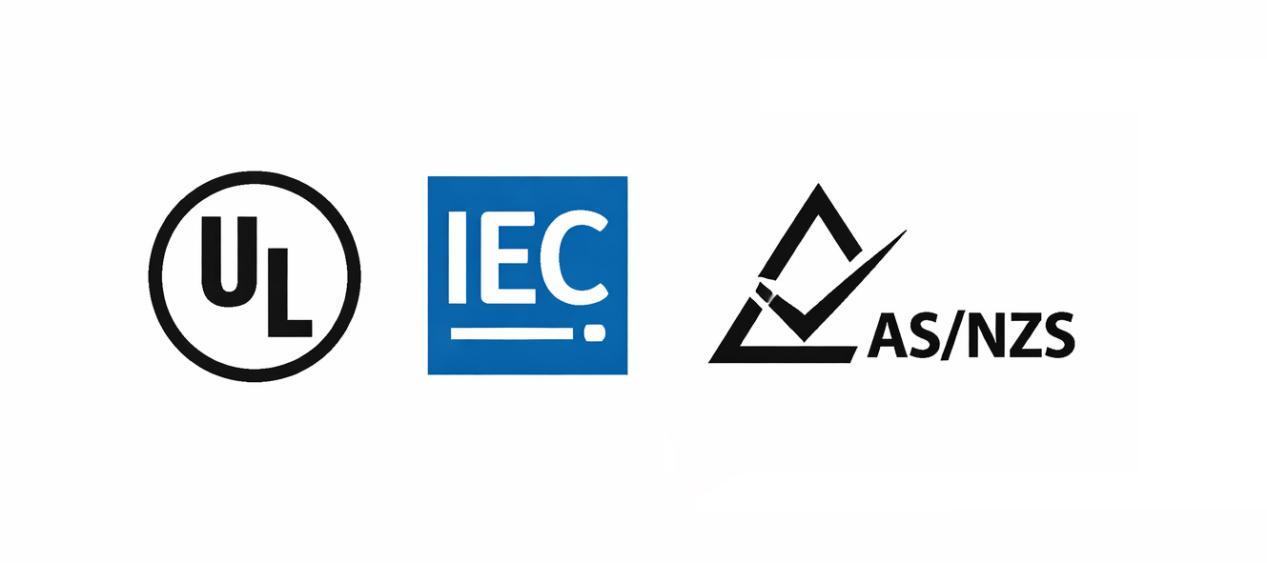
From a standards governance perspective, the UL system is led by Underwriters Laboratories. It is mainly used in the US and Canada. It is a highly certification-driven system with strict entry requirements. The IEC system is developed by the International Electrotechnical Commission. It is the most widely adopted international standard and is used across Europe, the Middle East, Asia, and many other regions. The AS/NZS system is jointly developed by Standards Australia and Standards New Zealand. It is used in Australia and New Zealand, and is based on IEC standards with additional local regulatory requirements.
From a technical perspective, each system has a different focus. The UL system emphasizes mandatory certification and physical testing. Products must pass third-party testing and certification. Key components are also often required to be UL-certified. It is a “safety-first and liability-driven” system.
The IEC system focuses more on standardized design and engineering calculations. Compliance can often be achieved through design verification and calculation methods. It is more flexible and widely applicable, but implementation can vary by region.
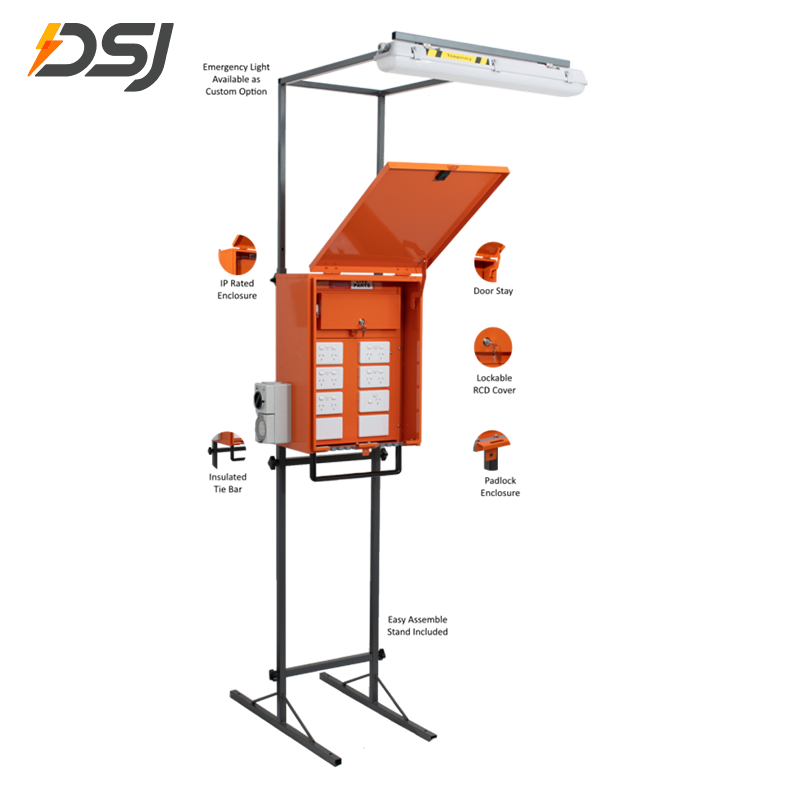
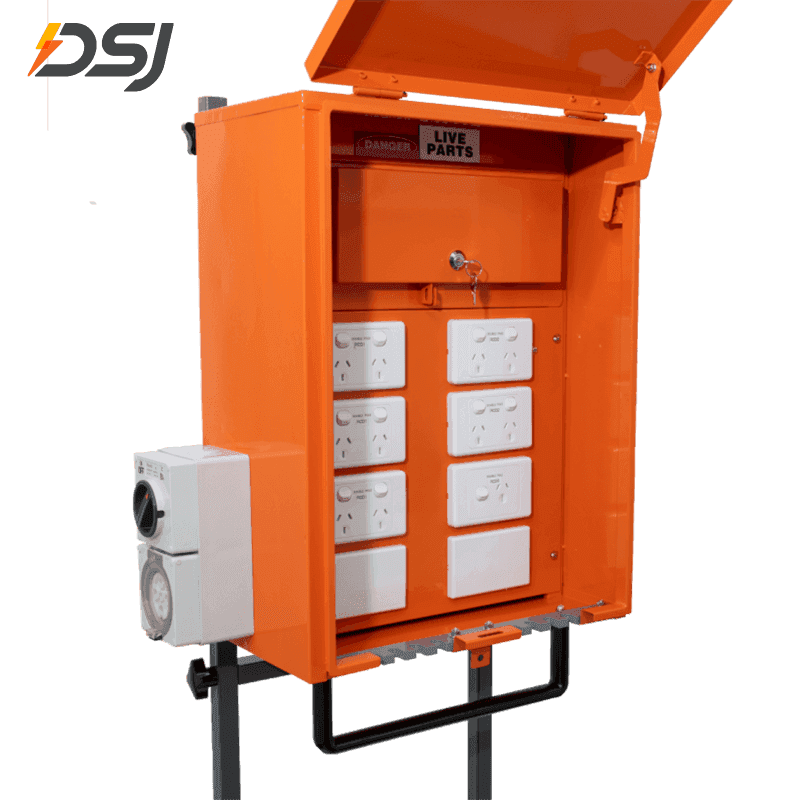
The AS/NZS system sits between the two. It is based on IEC standards but adds stricter local requirements. These include installation safety, protection performance, and environmental conditions. It is especially strict for temporary power systems and outdoor applications.
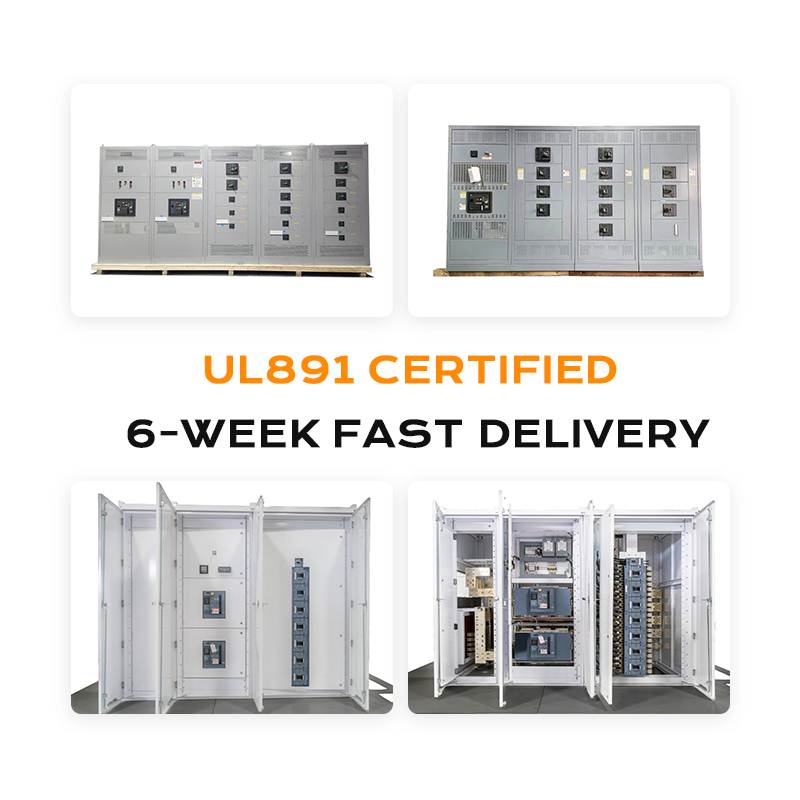
In switchboard applications, these systems correspond to different standards. UL commonly refers to UL 891 for switchboards. IEC uses the IEC 61439 series. AS/NZS relies on AS/NZS 61439 and installation rules such as AS/NZS 3000. These standards directly affect product design, certification process, and market entry.
From a market perspective, customer priorities are also different. North American customers usually prioritize UL certification first. Without it, most projects cannot proceed. IEC-based markets such as Europe and the Middle East focus more on technical specifications, lead time, and cost efficiency. They are also more open to customization.
Australian customers place strong emphasis on local compliance. This includes AS/NZS 3012 requirements, proper RCD protection, and correct IP rating for site conditions. Field safety and installation compliance are key concerns.
From a product strategy point of view, these three markets require different positioning. The UL market is high-barrier and project-driven, with higher margins and strong compliance requirements. The IEC market is more standardized and scalable, driven by cost and technical performance. The AS/NZS market sits in between, with strong emphasis on local compliance and engineering adaptation.
For switchboard and transformer manufacturers, understanding these differences is essentially understanding how global markets operate. UL represents market entry barriers. IEC represents a global technical language. AS/NZS represents local rules. Companies that can comply with all three systems usually have stronger global competitiveness.
For exclusive deals and latest offers, sign up by entering your email address below.
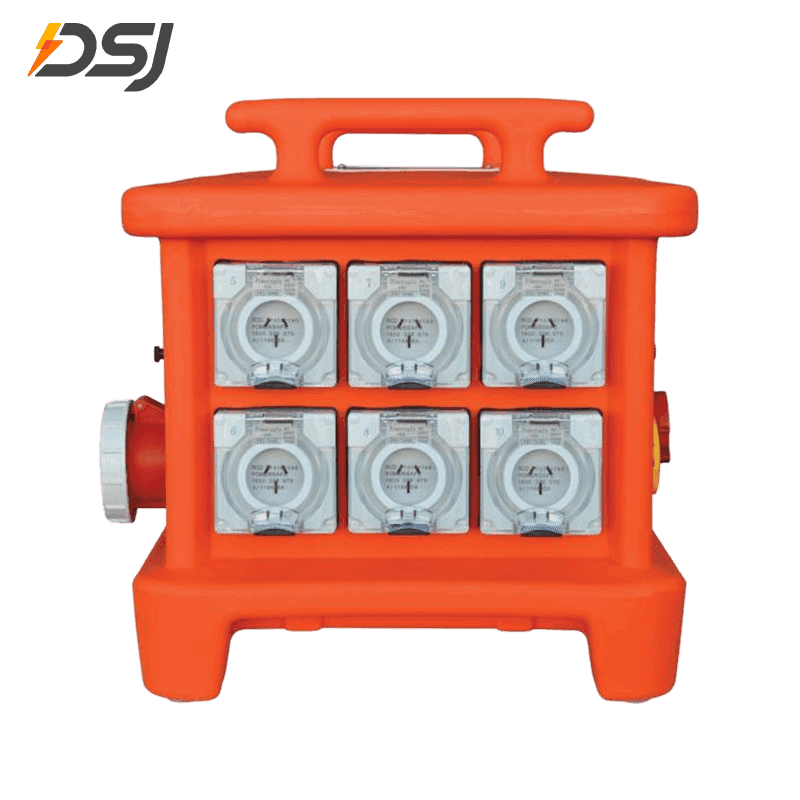
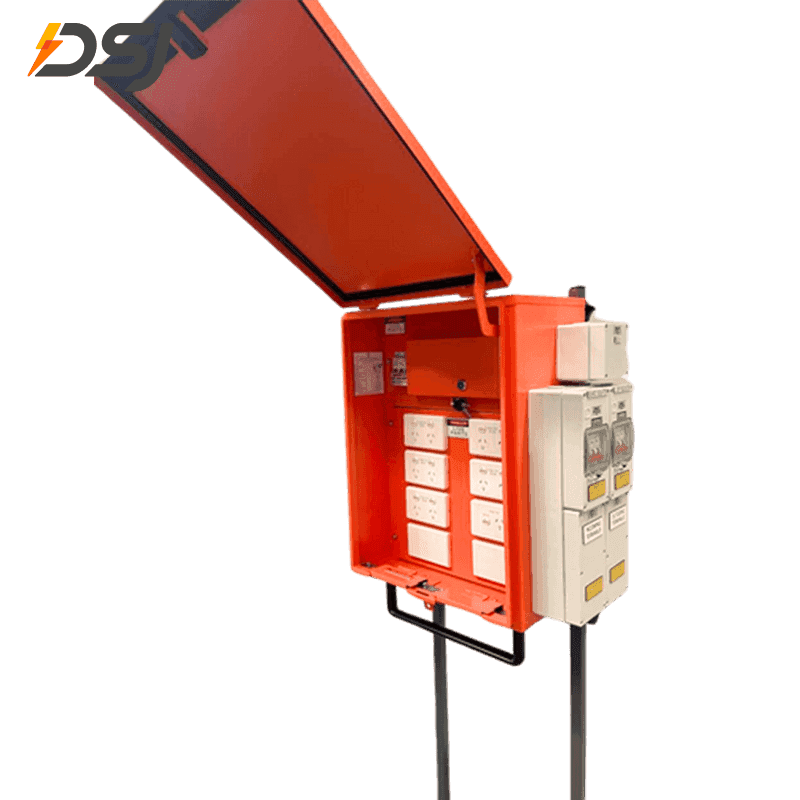
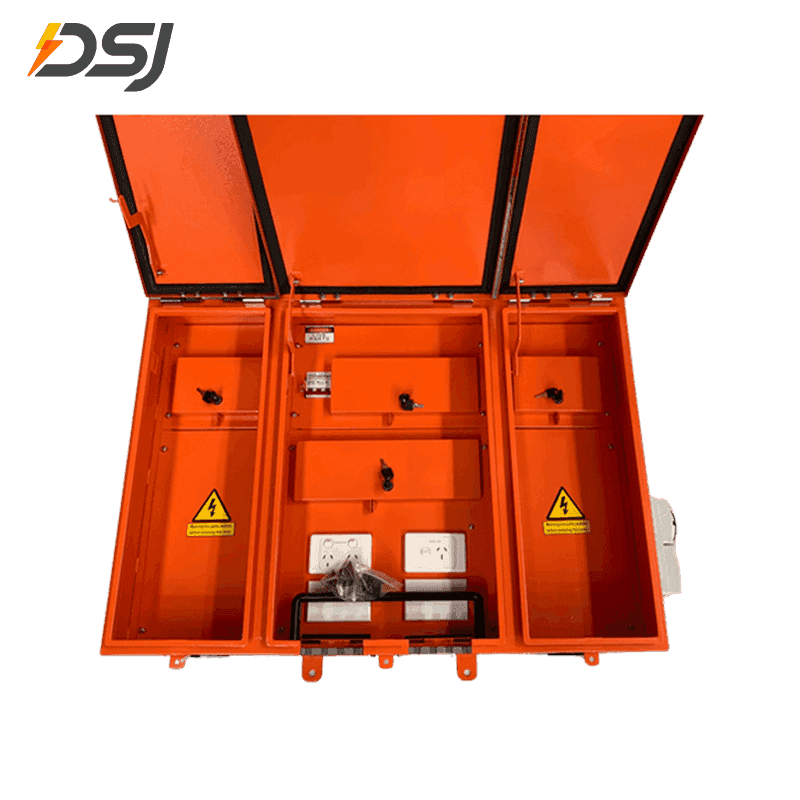



 +86 18513032986
 FLC Center, Chaoyang District, Beijing, China
Copyright © DSJ Electrical Co., Ltd. All Rights Reserved
Power Distribution Equipment & System Manufacturer