+86 18513032986


Key Components of a UL 891 Switchboard
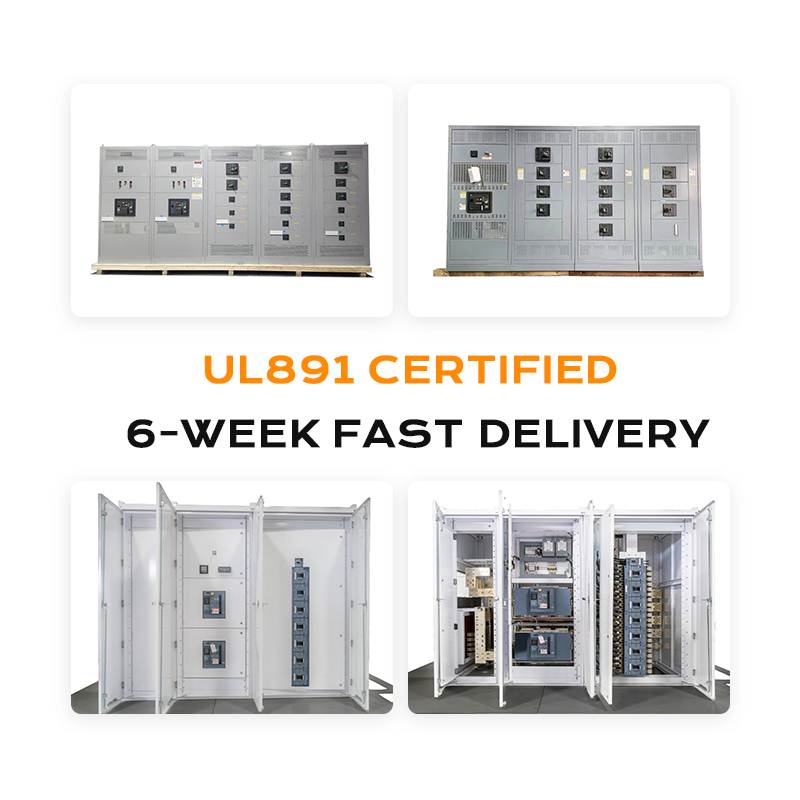
Admin 2026-05-10A UL 891 switchboard is an essential part of low-voltage power distribution systems used in commercial and industrial facilities. Its design focuses on safe power distribution, operational reliability, and easy maintenance. Understanding the main components of a UL 891 switchboard helps engineers, EPC contractors, and procurement teams evaluate equipment quality and system performance during project planning.
Below are the core components that make up a typical UL 891 switchboard and how each part contributes to the overall electrical distribution system.
Main Incoming Section
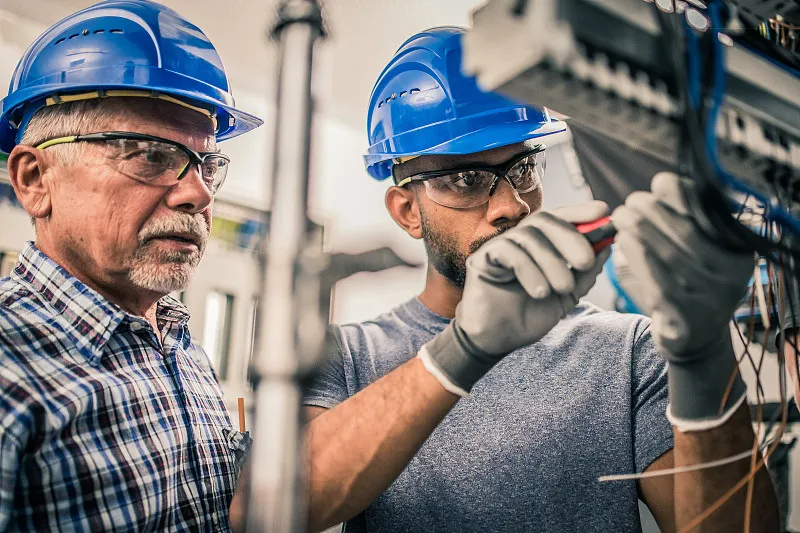
The incoming section is the entry point of electrical power into the switchboard. It connects the switchboard to the upstream power source, such as a transformer or utility supply.
Depending on system design, this section may include a main circuit breaker or a main lug configuration. A main breaker provides centralized protection for the entire switchboard, allowing operators to disconnect the system quickly during maintenance or emergencies. In contrast, a main lug only configuration connects directly to the busbar system and relies on upstream protection devices.
Properly designed incoming sections improve system protection, simplify maintenance procedures, and support reliable power management.
Busbar System
The busbar system is the backbone of a switchboard. It distributes electrical power from the incoming supply to multiple outgoing feeder circuits.
Busbars are typically made of copper or aluminum conductors and are designed to handle high electrical currents safely. Copper busbars are widely preferred in many projects due to their superior conductivity, mechanical strength, and long service life.
A well-designed busbar system must consider several factors:
Current carrying capacity
Temperature rise limits
Short-circuit withstand capability
Mechanical support and insulation
These design elements ensure that the switchboard operates safely even under heavy electrical loads or fault conditions.
Circuit Breakers
Circuit breakers are one of the most important protective components inside a UL 891 switchboard. They protect the electrical system from overloads, short circuits, and other abnormal conditions.
Most UL 891 switchboards use molded case circuit breakers (MCCBs) for feeder and branch protection. MCCBs provide reliable protection while maintaining a compact equipment structure.
Each breaker is designed to interrupt fault currents quickly and isolate the affected circuit. This prevents damage to electrical equipment and minimizes the risk of fire or system failure.
Breaker selection usually depends on several factors:
Rated current
Interrupting capacity
Protection settings
Coordination with other protective devices
Proper breaker coordination ensures that only the affected circuit is disconnected during a fault, allowing the rest of the system to continue operating normally.
Metering and Monitoring Devices
Modern switchboards often include metering devices that monitor electrical parameters such as voltage, current, power consumption, and energy usage.
Metering components provide valuable operational data that helps facility managers and engineers monitor system performance. By analyzing electrical data, operators can identify potential issues, improve energy efficiency, and maintain stable power distribution.
These devices may include:
Digital power meters
Current transformers (CTs)
Voltage transformers (VTs)
Communication modules for energy management systems
With the growing demand for smart electrical infrastructure, monitoring capabilities are becoming an increasingly important part of switchboard design.
Protection and Control Components
In addition to circuit breakers, switchboards may include various protection and control devices that enhance system reliability and safety.
Typical components include:
Surge protection devices
Control relays
Protection relays
Control wiring systems
These devices help protect sensitive electrical equipment from voltage spikes, abnormal operating conditions, and system disturbances.
Protection and control components are especially important in complex electrical systems where multiple power sources and loads must be coordinated effectively.
Enclosure and Structural Frame
The enclosure provides mechanical protection for all internal components within the switchboard. UL 891 switchboards use a dead-front design, meaning that live electrical parts are not exposed to operators during normal operation.
The enclosure structure is typically constructed from steel panels and includes doors, barriers, and protective covers. This design improves safety by preventing accidental contact with energized parts.
Enclosures are also designed to suit different installation environments. Some switchboards are installed in indoor electrical rooms, while others may require weather-resistant outdoor enclosures.
Proper enclosure design protects internal components from dust, moisture, and environmental conditions while ensuring safe access for maintenance personnel.
Cable Termination and Connection Areas
Cable termination areas allow incoming and outgoing cables to be safely connected to the switchboard. These areas must provide adequate space for cable bending radius, insulation clearance, and secure mechanical connections.
Proper cable management helps reduce installation complexity and improves system reliability. Clearly organized wiring and labeled terminals also make troubleshooting and maintenance more efficient.
Engineers typically consider cable routing and termination during the early design phase to ensure smooth installation at the project site.
Compliance with Electrical Standards
UL 891 switchboards are designed to meet strict safety and performance requirements defined by UL 891. These requirements include temperature rise limits, structural integrity, electrical clearances, and short-circuit testing.
In many North American projects, switchboards must also comply with installation codes such as the National Electrical Code. Compliance with these standards ensures that electrical distribution systems operate safely and meet regulatory requirements.
For engineers and project developers, selecting equipment that meets these standards simplifies inspection processes and helps ensure successful project approval.
Conclusion
A UL 891 switchboard is a complex piece of electrical equipment composed of multiple integrated components, including incoming sections, busbar systems, circuit breakers, metering devices, protection equipment, and structural enclosures. Each component plays a specific role in maintaining safe and reliable power distribution.
By understanding the function of these components, engineers, EPC contractors, and procurement teams can make informed decisions when selecting switchboard solutions for commercial and industrial projects. A well-designed switchboard not only distributes power efficiently but also supports long-term operational safety and system stability.
For exclusive deals and latest offers, sign up by entering your email address below.



 +86 18513032986
 FLC Center, Chaoyang District, Beijing, China
Copyright © DSJ Electrical Co., Ltd. All Rights Reserved
Power Distribution Equipment & System Manufacturer