+86 18513032986


Understanding Labeling Systems in UL891 Switchboards
Admin 2026-05-22In electrical power distribution systems, labels are often overlooked, yet they are one of the most critical elements for safe installation, operation, and maintenance. Inside a switchboard built according to UL 891, labels provide structured and standardized information that guides electricians and engineers throughout the entire lifecycle of the equipment. These labels are not decorative; they are essential safety components that ensure every connection, rating, and instruction is clearly communicated and permanently visible.
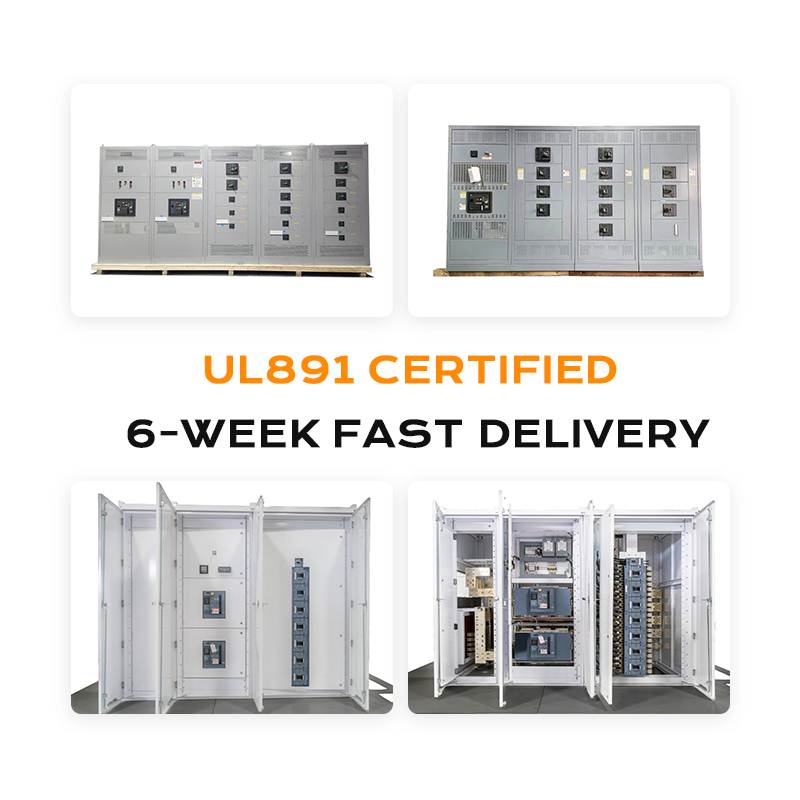
A UL891 switchboard is typically used in commercial and industrial power distribution systems, where electrical energy must be managed safely and reliably. Manufacturers such as Schneider Electric design these systems with multiple layers of labeling to reduce installation errors and improve maintenance efficiency. Each label serves a specific purpose, and together they form a complete information system inside the electrical enclosure.
One of the most important categories of labels inside a UL891 switchboard is the rating label. This label provides fundamental electrical data such as voltage rating, current rating, short-circuit withstand rating, and system frequency. These values define the operational limits of the equipment and ensure that it is applied correctly in the field. Without this information, improper system matching could lead to serious electrical failures or safety hazards.
Another essential labeling element is the terminal identification label. This type of label is typically found near incoming and outgoing connection points and is used to identify conductors, phases, or circuit positions. Clear terminal identification helps installers avoid wiring mistakes during field installation, especially in complex systems with multiple feeders or branch circuits. In large switchboards, where hundreds of conductors may be present, accurate identification becomes critical to ensure correct system operation.
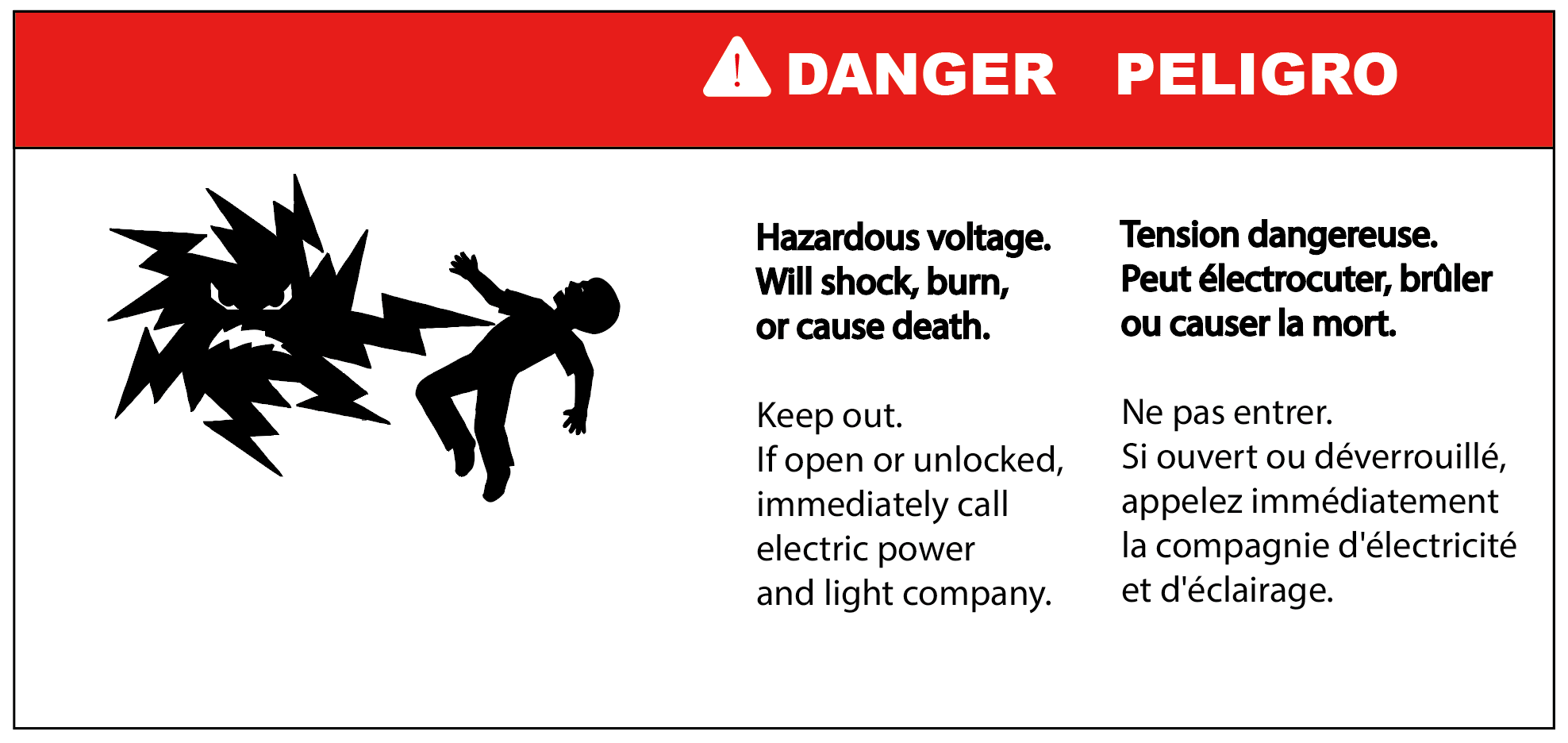
In addition to identification labels, UL891 switchboards also include warning and safety labels. These labels communicate potential hazards such as electrical shock risk, arc flash danger, or maintenance restrictions. Their purpose is to alert personnel before they interact with energized components. These safety warnings are designed in accordance with industry standards and are placed in highly visible locations, often near doors, covers, or access panels.
A particularly important category is the installation instruction label, which includes information such as conductor sizing, tightening torque, and connection methods. Although torque labels are sometimes treated as a separate category, they are functionally part of the installation labeling system. These instructions ensure that mechanical and electrical connections are made correctly. Improper installation is one of the leading causes of electrical equipment failure, and clear labeling helps reduce this risk significantly.
The material and durability of labels are also an important consideration in UL891 switchboard design. Since switchboards operate in industrial environments, labels must withstand heat, humidity, vibration, and chemical exposure. For this reason, manufacturers typically use industrial-grade polyester, engraved nameplates, or laminated materials. According to requirements enforced by UL Solutions, labels must remain legible and permanently attached throughout the service life of the equipment.
Label placement is another critical design factor. In a typical UL891 switchboard, labels are strategically positioned inside the enclosure door, near main breakers, and close to termination points. This ensures that technicians can easily access relevant information during installation or maintenance without referring to external documentation. The goal is to provide immediate, on-site clarity, reducing the possibility of human error.
Beyond installation, labels also play an important role in long-term maintenance. Electrical systems are often serviced years after initial installation, sometimes by different technicians who were not involved in the original setup. In such cases, clear and durable labeling becomes essential for understanding system configuration. Maintenance personnel rely on these labels to identify circuits, verify ratings, and perform safe troubleshooting.
Another often underestimated function of labeling systems is compliance verification. During inspection or certification processes, UL inspectors carefully review label accuracy, placement, and durability. Any missing or incorrect label can lead to compliance issues. Therefore, manufacturers must ensure that labeling systems are fully aligned with UL891 requirements before shipment.
From a design perspective, labeling is also closely connected to product standardization. Modern switchboard manufacturers aim to create consistent labeling formats across different product lines. This improves usability for electricians who may work with equipment from multiple projects or manufacturers. A standardized labeling approach reduces confusion and increases installation efficiency across the industry.
In conclusion, the labeling system inside a UL891 switchboard is far more than a collection of printed stickers. It is a structured communication system that ensures safety, supports correct installation, and enables reliable long-term maintenance. From rating labels and terminal identification to safety warnings and installation instructions, each label plays a specific role in the overall performance of the electrical system. When properly designed and implemented, these labels significantly reduce installation risks and contribute to the safe operation of power distribution systems in demanding environments.
For exclusive deals and latest offers, sign up by entering your email address below.



 +86 18513032986
 FLC Center, Chaoyang District, Beijing, China
Copyright © DSJ Electrical Co., Ltd. All Rights Reserved
Power Distribution Equipment & System Manufacturer