+86 18513032986


Busbar Design Under UL 891: What Really Matters for North American Switchboards
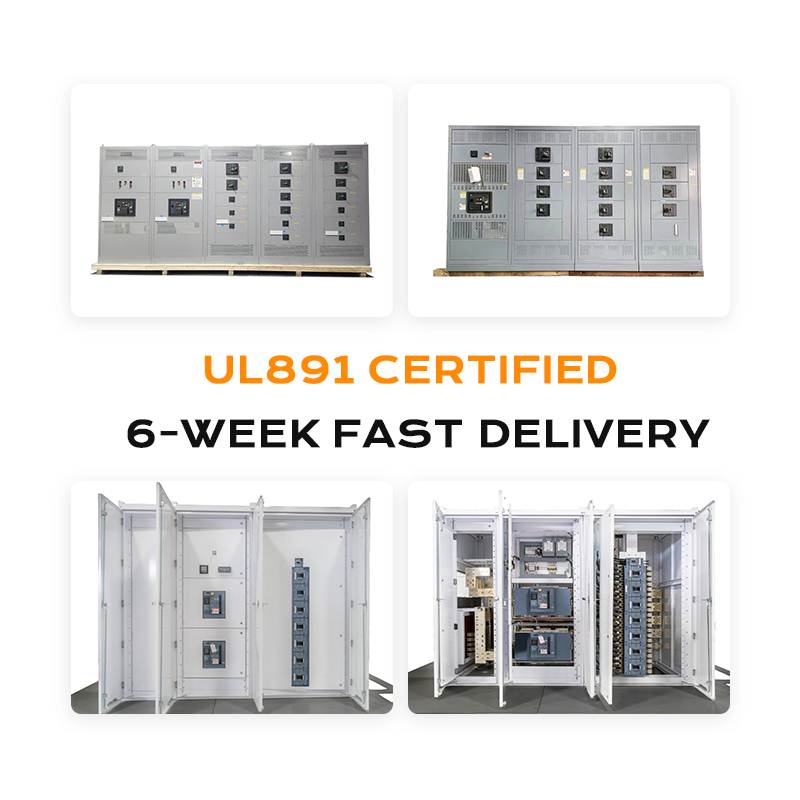
Admin 2026-05-21In North American low-voltage power distribution systems, UL 891 is one of the most important standards for switchboards. The busbar is the main path for current flow, so its design has a direct impact on safety and reliability. Unlike many design-based standards, UL 891 focuses heavily on real-world validation. Key aspects such as temperature rise, short-circuit strength, and mechanical stability must be proven through testing, not just calculation. This makes busbar design more demanding and more practical from an engineering standpoint.
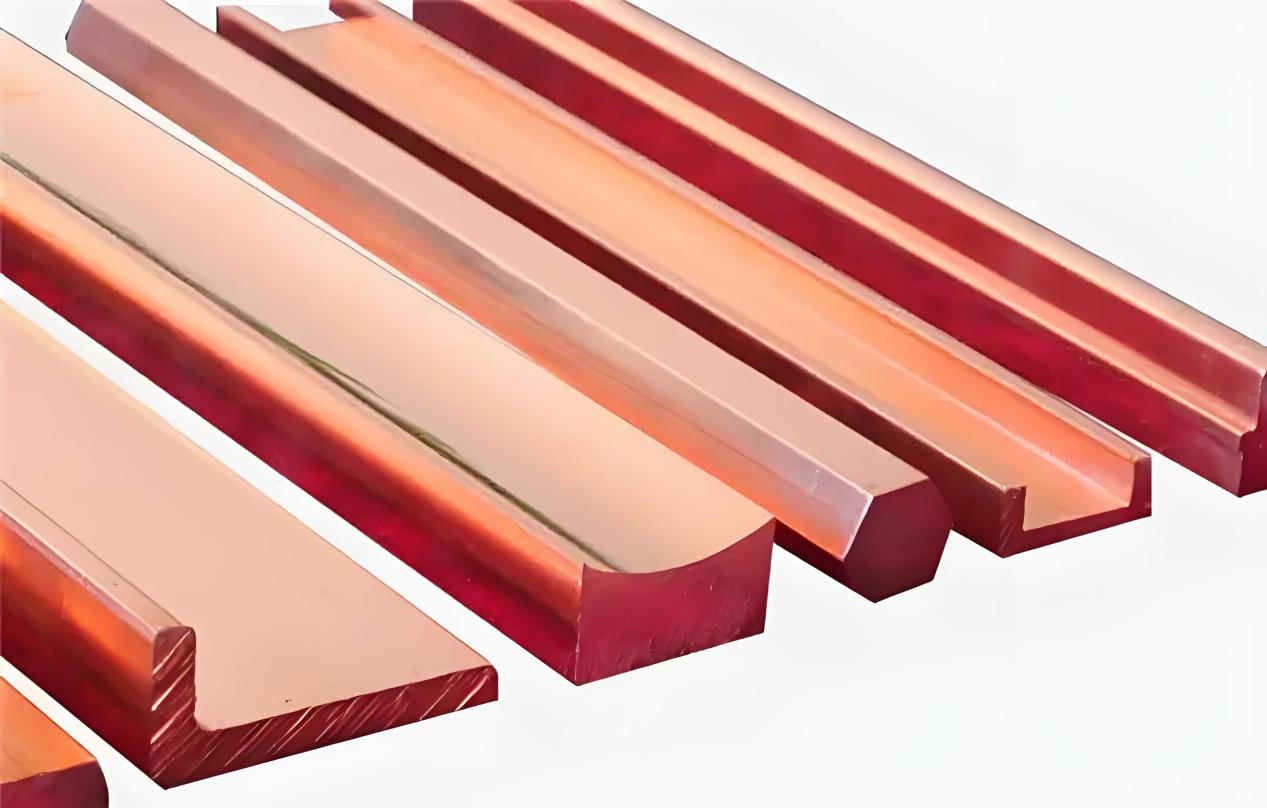
Material selection is the first step. UL does not strictly require copper or aluminum, but in real projects, copper busbars are preferred. Copper offers better conductivity, lower temperature rise, and more stable long-term performance. For higher current ratings, such as 1200A and above, copper is almost always the standard choice. In addition, tin plating is commonly applied to reduce contact resistance and prevent oxidation. This detail is often checked during inspection and by customers.
Temperature rise is the core requirement in UL 891. The system must be tested under rated current, and the busbar temperature must stay within safe limits. This is very different from IEC 61439, which allows verification by calculation. UL is more concerned with what actually happens during operation. Because of this, busbars in UL designs are usually larger than those designed under IEC rules. This leads to more conservative designs, but also higher reliability.
Electrical spacing is another critical factor. UL 891 defines minimum clearances between phases and between phase and ground. These distances depend on voltage level and the operating environment. Even if insulation such as heat shrink or coatings is used, spacing requirements are not fully relaxed. Good layout design is still essential. This is why many North American switchboards appear less compact—they are designed with safety margins in mind.
Short-circuit performance is equally important. The busbar must withstand both thermal and mechanical stress during a fault. This includes not only the conductor itself but also the support system. Insulators and mounting structures must be strong enough to handle electromagnetic forces. In many cases, failures are caused by weak supports rather than the busbar itself.
Connections and joints also play a major role. Poor connections can lead to high resistance and overheating. Standard practice includes tin-plated contact surfaces, high-strength bolts, and defined torque values. North American customers pay close attention to these details, as joint overheating is one of the most common field issues.
Overall, busbar design under UL 891 follows a “test-proven safety” approach. In contrast, IEC standards focus more on design calculations and flexibility. This difference affects not only engineering methods but also how products are positioned in different markets.
With extensive experience in North American projects, DSJ Electrical operates as an original manufacturer deeply rooted in the UL 891 system. Instead of adapting to UL requirements at a later stage, the company integrates UL design principles from the beginning. This approach ensures better control of temperature rise, stronger short-circuit performance, and consistent product reliability, helping projects pass strict inspections with confidence.
For exclusive deals and latest offers, sign up by entering your email address below.



 +86 18513032986
 FLC Center, Chaoyang District, Beijing, China
Copyright © DSJ Electrical Co., Ltd. All Rights Reserved
Power Distribution Equipment & System Manufacturer