+86 18513032986


What are the differences between medium-voltage and low-voltage switchgear?
Admin 2026-01-09Content
In power distribution systems, medium-voltage switchgear and low-voltage switchgear are core equipment for ensuring circuit safety and distributing electrical energy. Simply put, the core differences lie in their rated voltage range, insulation requirements, and application scenarios: Medium-voltage switchgear is typically used in power systems with voltage levels between 3.6kV and 40.5kV, primarily responsible for receiving and distributing electrical energy; while low-voltage switchgear is used in terminal distribution systems below 1kV, directly serving the electrical equipment.
1. Rated Voltage and Insulation Level
This is the most fundamental difference between the two.
Medium-voltage switchgear: Designed to handle voltage reductions after the high-voltage grid is lowered. Due to the higher voltage, the equipment has extremely high requirements for air gaps, creepage distances, and insulation materials. Vacuum or SF6 gas is often used as the insulation medium inside the cabinet.
Low-voltage switchgear: Due to the lower voltage, the insulation design is relatively simple, mainly relying on air insulation and insulating supports, resulting in a more compact structure.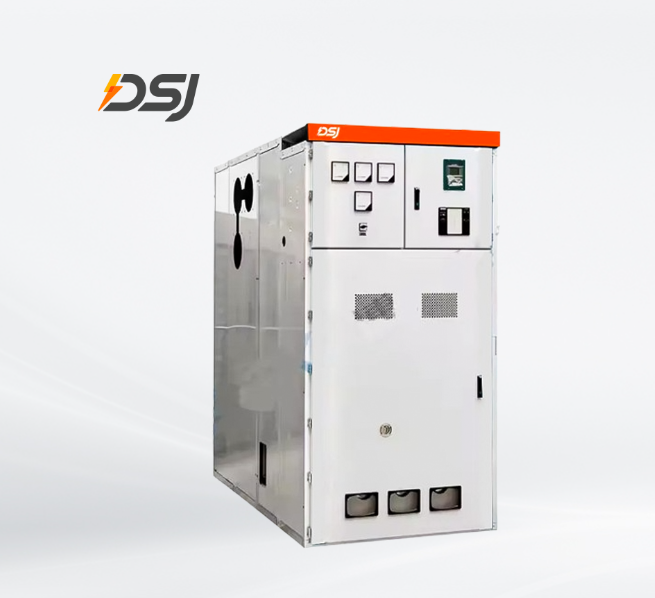
2. Different Core Components
Due to differences in the power and arc energy levels handled, the circuit breakers installed inside vary significantly:
Medium-voltage switchgear: Typically equipped with vacuum circuit breakers (VCBs) or low-oil circuit breakers, possessing strong arc-extinguishing capabilities to handle high-voltage short-circuit currents.
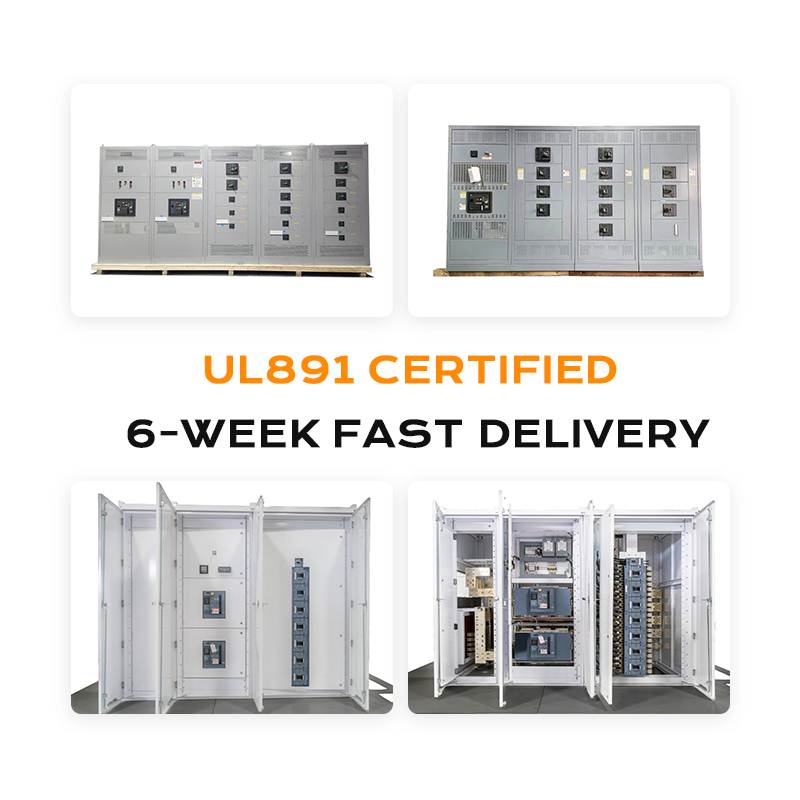
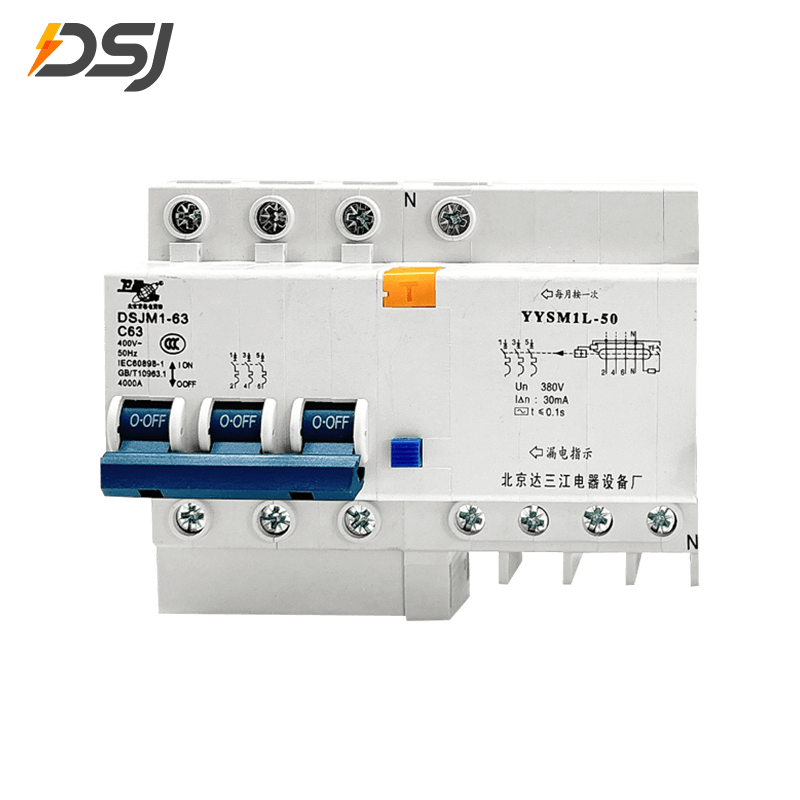
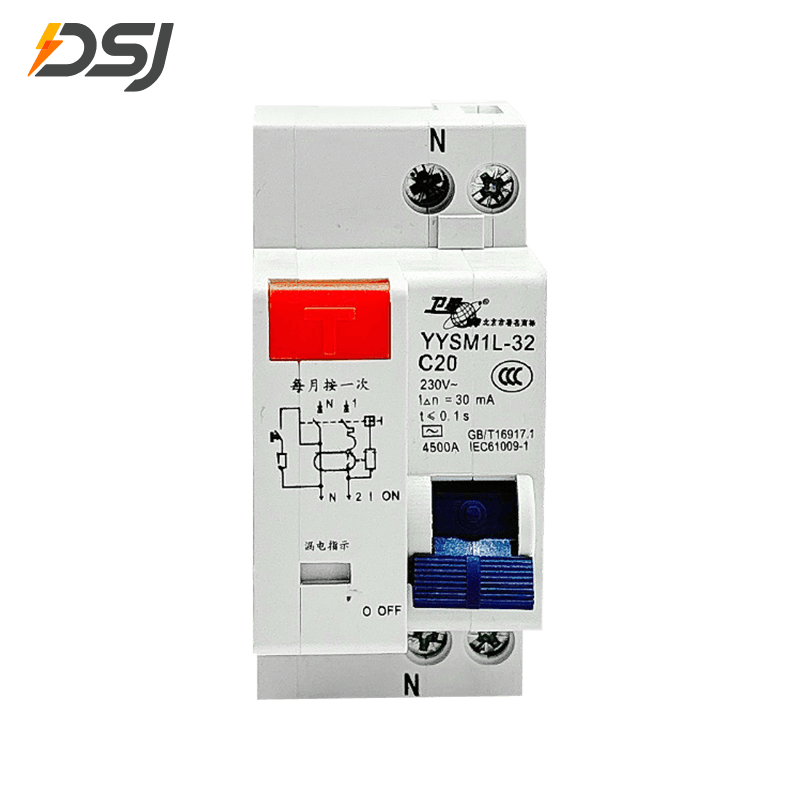
Low-voltage switchgear: Primarily uses automatic circuit breakers (ACBs) or molded case circuit breakers (MCCBs), focusing more on precise current distribution and overload protection.
3. Safety Protection Level
Medium-voltage switchgear has stricter "five-proof" interlocking requirements for operational safety (preventing accidental opening and closing of circuit breakers, preventing the operation of disconnecting switches under load, etc.) to prevent personal injury or equipment accidents that may occur under high-voltage environments. While low-voltage switchgear also has protection mechanisms, its operational complexity and mandatory interlocking requirements are slightly lower than those of medium-voltage equipment.
Key Applications and Advantages of Medium-Voltage Switchgear
In modern industrial and urban power grids, medium-voltage switchgear plays a crucial role as the "throat of power supply." Its main advantages include:
- High reliability: Utilizing advanced sensing technology and intelligent monitoring, it can monitor operating status in real time.
- Strong environmental adaptability: Its enclosed metal structure design allows for stable operation in harsh industrial environments.
- Modular design: Facilitates future expansion and maintenance, significantly reducing power outage maintenance time.
How to choose?
When constructing substations or factory power distribution rooms, both typically work together:
Incoming line: High-voltage power from the power grid first enters the medium-voltage switchgear for step-down and initial distribution.
Outgoing line: After being stepped down by a transformer, it enters the low-voltage switchgear, safely delivering electrical energy to motors, lighting systems, or production lines.
As professionals in the field of electrical engineering, understanding the differences between medium-voltage and low-voltage switchgear is a prerequisite for ensuring a reasonable and safe power design scheme. Whether in energy management or infrastructure construction, selecting high-quality switchgear that meets standards is key to achieving efficient power distribution.
For exclusive deals and latest offers, sign up by entering your email address below.



 +86 18513032986
 FLC Center, Chaoyang District, Beijing, China
Copyright © DSJ Electrical Co., Ltd. All Rights Reserved
Power Distribution Equipment & System Manufacturer