+86 18513032986


What is a gasoline generator? What are its uses?
Admin 2025-12-05Content
A gasoline generator is a device that converts the chemical energy stored in gasoline into electrical energy. It mainly consists of a gasoline engine and a generator (alternator). When the user starts the device, gasoline burns in the engine cylinders to generate power, driving the generator to produce usable alternating current (AC).
Gasoline generators occupy an important position among many power generation devices due to their relatively lightweight, simple operation, and readily available fuel. They are typically designed to be portable, with power ranging from hundreds of watts to kilowatts, meeting various temporary power needs.
How a Gasoline Generator Works
Understanding its working principle helps us better use and maintain this type of power generation equipment.
Fuel Supply and Combustion: Gasoline, as fuel, enters the engine cylinders through the carburetor. The spark plug ignites, causing the fuel-air mixture to explode and burn, pushing the piston.
Mechanical Energy Generation: The linear motion of the piston is converted into rotational motion by the crankshaft, generating driving force, i.e., mechanical energy.
Electrical Energy Conversion: The engine's rotating shaft is connected to the generator (alternator). When the rotor rotates within the stator coils, it generates current based on the principle of electromagnetic induction, converting mechanical energy into electrical energy.
Power Output: The generated power, after voltage stabilization and frequency regulation, is supplied to external electrical appliances through the output socket.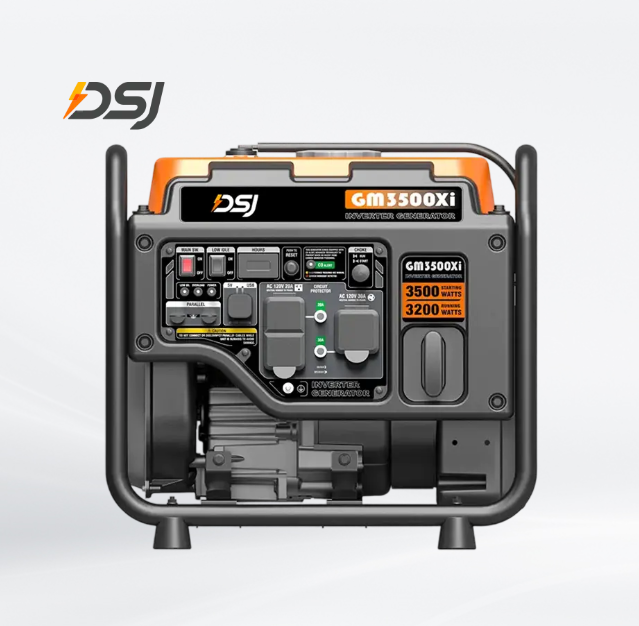
What are the main uses of a gasoline generator?
Gasoline generators play a crucial role in a variety of scenarios due to their flexibility and reliability.
1. Emergency Backup Power
This is the most common use of gasoline generators. In the event of sudden power outages or natural disasters (such as hurricanes, earthquakes, and blizzards) that disrupt municipal power, it can serve as a reliable backup power source for home use, ensuring the continued operation of essential household appliances (such as refrigerators, lighting, and medical equipment).
2. Outdoor and Field Work
For construction sites, farms, road maintenance, or any field work location without a fixed power source, portable generators are an ideal power solution. They can provide immediate power for power tools, welding equipment, lighting equipment, etc.
3. Leisure Activities and Mobile Applications
Camping and RV Living: Many outdoor enthusiasts and RV users use small gasoline generators to power their mobile homes, running air conditioners, microwaves, or charging electronic devices.
Outdoor Activities and Markets: Generator sets are indispensable for events requiring temporary power, such as outdoor parties, concerts, and farmers' markets.
4. Remote and Temporary Events
Powering remote locations such as film sets, exploration camps, or temporary rescue stations.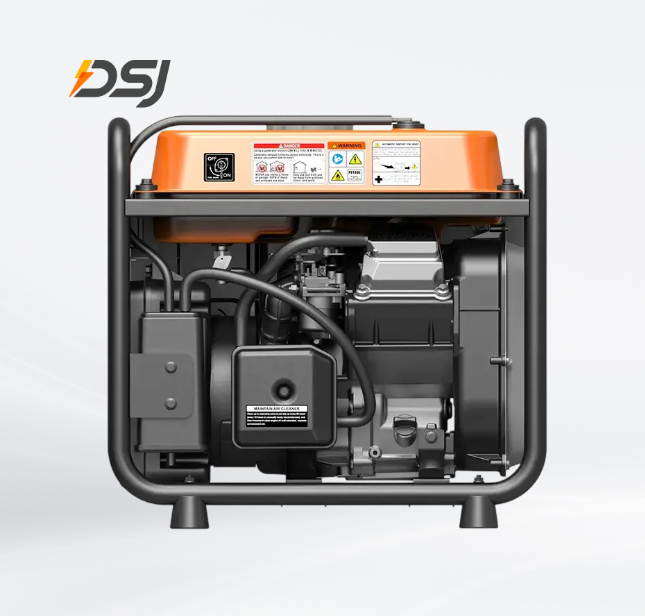
Key Considerations for Buying and Using a Gasoline Generator
When purchasing and using a gasoline generator, you should focus on the following aspects to ensure the safe, efficient, and long-term use of your power generation equipment:
Power Requirements: When selecting a generator, calculate the total power of all appliances you plan to run simultaneously. Pay particular attention to the extra current required by appliances during startup (i.e., inrush current). The generator's rated power should be slightly higher than your maximum total demand to ensure stable operation.
Safe Operation: This is the most important aspect. Gasoline generators produce colorless and odorless carbon monoxide gas during operation. They must always be operated outdoors in a well-ventilated area, away from doors, windows, and vents to prevent carbon monoxide poisoning.
Fuel Storage: Ensure you use fresh, correct-type gasoline recommended by the manufacturer. Spare fuel should be stored safely in certified containers, away from sources of heat and living areas.
Maintenance: Regular maintenance is key to extending the generator's lifespan. This includes timely oil changes, checking or replacing spark plugs, and keeping the air filter clean; these measures ensure efficient engine operation.
Conclusion
A gasoline generator is a power generation device that efficiently converts the chemical energy of gasoline combustion into electrical energy. Whether used as an emergency backup power source at home or as a reliable partner for outdoor work, it provides valuable power support when mains power is unavailable. Choosing the appropriate power rating and following safe operating procedures are crucial to ensuring your gasoline generator provides stable service over the long term.
For exclusive deals and latest offers, sign up by entering your email address below.




 +86 18513032986
 FLC Center, Chaoyang District, Beijing, China
Copyright © DSJ Electrical Co., Ltd. All Rights Reserved
Power Distribution Equipment & System Manufacturer