+86 18513032986


What is a Three-Phase Transformer?
Admin 2026-02-13Content
In modern power systems, three-phase transformers are one of the core pieces of equipment in transmission and distribution networks. They can raise or lower voltage according to design requirements while maintaining the stability and efficiency of the power system. Unlike single-phase transformers, three-phase transformers are suitable for high-power transmission and are widely used in factories, commercial buildings, and power transmission stations.
Working Principle of a Three-Phase Transformer
A three-phase transformer uses the principle of electromagnetic induction to convert the input three-phase alternating current into the required voltage level. Internally, it consists of three windings, each corresponding to one phase current. Common connection methods include star (Y) and delta (Δ), which allow for voltage step-up/step-down conversion and phase adjustment. For example, in high-voltage transmission lines, 10kV voltage can be stepped up to 110kV using a three-phase transformer to reduce line losses.
Main Types of Three-Phase Transformers
Based on structure and application, three-phase transformers are mainly classified as follows:
Oil-Immersed Three-Phase Transformers: These use transformer oil for insulation and cooling and are suitable for outdoor and high-power applications, such as urban power grids and large industrial areas. Their capacities typically range from 50kVA to 1000kVA.
Dry-type three-phase transformers: These are air-cooled, require no oil, are easy to maintain, and are suitable for indoor environments and locations with high safety requirements. For example, hospitals and data centers often use dry-type three-phase transformers with capacities between 100kVA and 5000kVA.
Packaged three-phase transformers: These integrate the transformer and distribution equipment into a closed enclosure, facilitating installation and transportation, and are suitable for use in residential or factory power distribution systems.
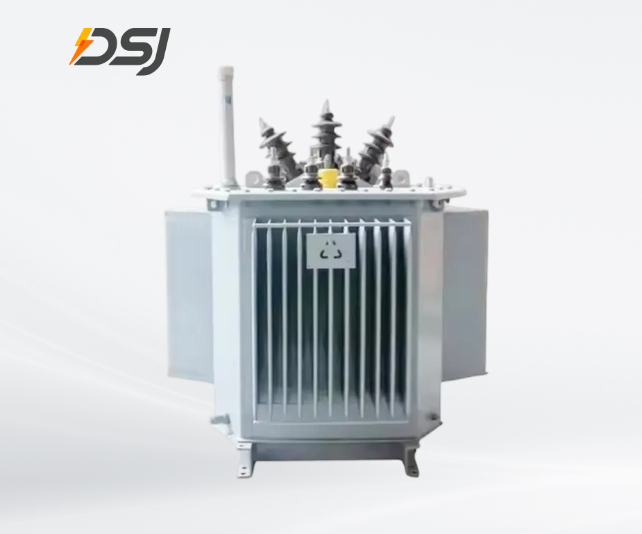
Applications of Three-Phase Transformers
In practical engineering, three-phase transformers are widely used.
Industrial Production: Large manufacturing plants typically use three-phase transformers with capacities of 1000kVA or higher to provide stable power to production equipment.
Power Transmission and Distribution: High-voltage transmission lines use three-phase transformers to step up voltage from 10kV to 110kV or even higher, achieving efficient long-distance power transmission.
Commercial Buildings: Shopping malls and office buildings use dry-type three-phase transformers to ensure reliable power supply for air conditioning, elevators, and lighting systems.
By appropriately selecting the type and capacity of three-phase transformers, not only can power supply efficiency be improved, but equipment failure rates can also be reduced. For example, after replacing a data center's transformer with a 5000kVA dry-type three-phase transformer, the stability of the power supply system improved by approximately 15%, while maintenance costs decreased by 20%.
Considerations for Selecting a Three-Phase Transformer
When selecting a three-phase transformer, the following indicators should be given priority:
Capacity: Select according to the electrical load to avoid waste caused by insufficient or excessive capacity.
Voltage Rating: Ensure that the input and output voltages match the system.
Efficiency and Losses: High-efficiency transformers can reduce long-term operating costs; typical efficiencies can reach over 98%.
Insulation Class and Protection Class: Select the appropriate model based on environmental conditions (e.g., indoor, outdoor, or high-temperature areas).
Appropriate selection not only affects the service life of equipment but also directly relates to the safety and economy of the power system.
For exclusive deals and latest offers, sign up by entering your email address below.



 +86 18513032986
 FLC Center, Chaoyang District, Beijing, China
Copyright © DSJ Electrical Co., Ltd. All Rights Reserved
Power Distribution Equipment & System Manufacturer