+86 18513032986


What is an MCB miniature circuit breaker and how does it work?
Admin 2026-02-20Content
In modern home, office building, and industrial power distribution systems, MCB miniature circuit breakers play a crucial role. They not only ensure the safe operation of circuits but also effectively protect equipment and personnel safety in the event of electrical faults.
Definition and Function of MCB Miniature Circuit Breakers
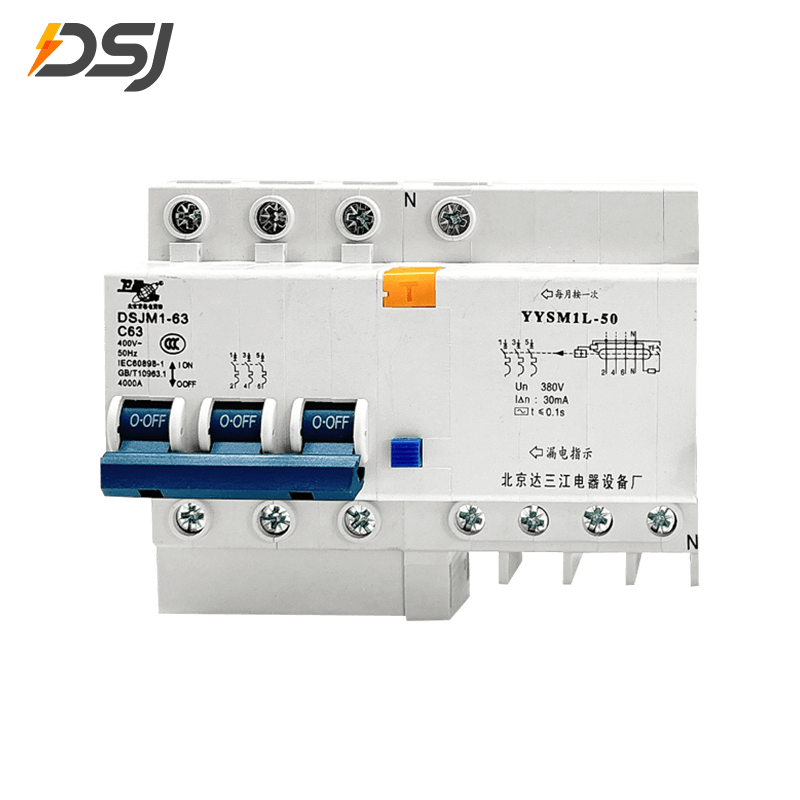
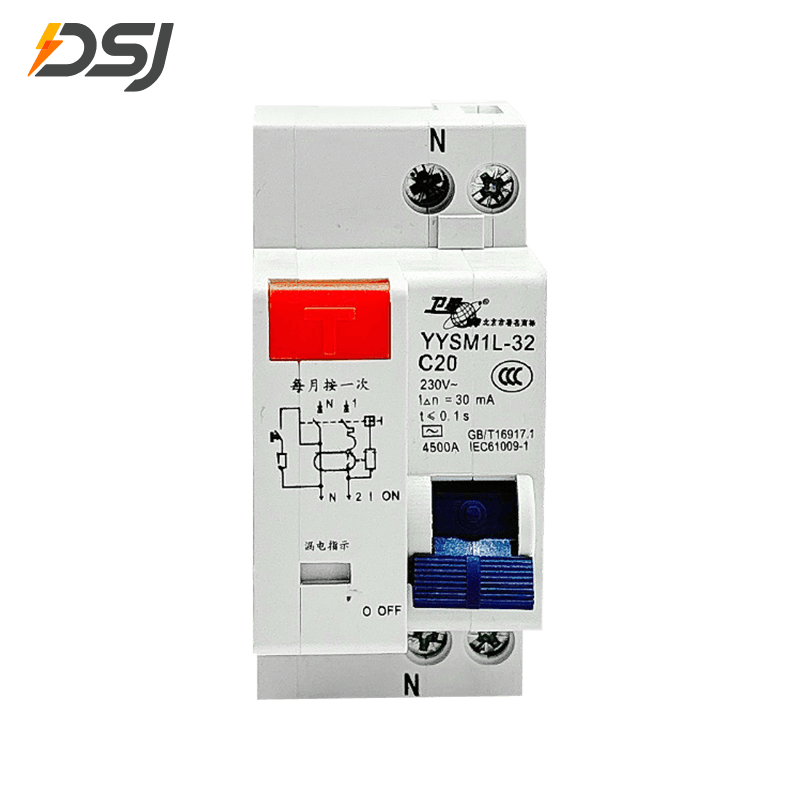
An MCB (Miniature Circuit Breaker) is an automated electrical protection device used in low-voltage power distribution systems. When an overload or short circuit occurs, the MCB automatically interrupts the current, preventing line damage or fire accidents. Compared to traditional fuses, MCBs offer advantages such as resettable operation, fast response, and long service life.
For example, in a residential circuit with a rated current of 10A, an MCB can quickly disconnect the circuit even when the current exceeds 1.3 times the rated value, protecting household appliances and wiring safety.
Working Principle of MCB Miniature Circuit Breakers
Thermal Protection (Overload Protection)
The MCB contains a bimetallic strip. When the current exceeds the rated value, the bimetallic strip bends due to thermal effect, pushing a mechanical device to disconnect the circuit. This method is suitable for overload situations where the current rises slowly, such as when an air conditioner runs for a long time or multiple household appliances are turned on simultaneously.
Magnetic Protection (Short Circuit Protection)
When a short circuit occurs, the current increases dramatically instantaneously. The electromagnet inside the MCB immediately generates a strong magnetic force, causing the contacts to spring open, achieving rapid power disconnection. Magnetic protection response speed is typically within 0.01 seconds, effectively preventing circuit burnout or fire accidents.
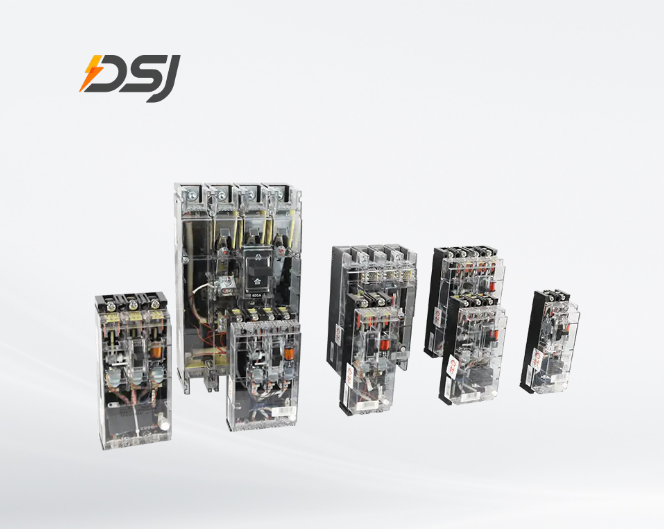
MCB Miniature Circuit Breaker Types and Selection Guide
Based on rated current and breaking characteristics, MCB miniature circuit breakers can be divided into different types:
Type B MCB: Suitable for home and office environments, mainly for light-load circuits, with a rated operating current of 3 to 5 times the rated value.
Type C MCB: Suitable for commercial buildings and small industrial equipment, capable of withstanding 5-10 times the rated current surge current.
Type D MCB: Used in industrial heavy-duty motor starting circuits, capable of withstanding 10-20 times the rated current short-time current.
When selecting a model, in addition to considering the current rating, the number of poles (single-pole, double-pole, three-pole) and rated voltage of the circuit breaker should also be considered to ensure safety and reliability.
Application Scenarios of MCB Miniature Circuit Breakers
MCB miniature circuit breakers are widely used in various scenarios of low-voltage power distribution systems:
Household power distribution: Overload and short-circuit protection for kitchen appliances, air conditioners, and lighting circuits.
Commercial buildings: Lighting and power socket circuit protection in offices and shopping malls.
Industrial equipment: Safety protection for small motors, fans, water pumps, etc.
For example, installing a Type C MCB miniature circuit breaker in the main distribution box of an office floor can not only protect the lighting system but also prevent circuit tripping when multiple computers are started simultaneously.
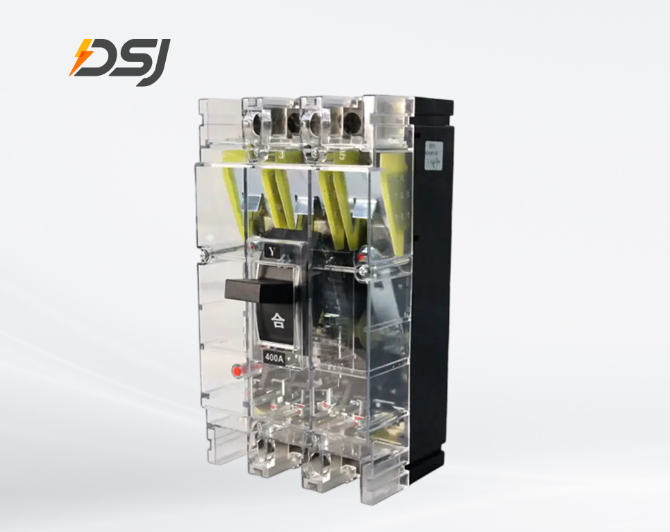
Maintenance and Inspection of MCB Miniature Circuit Breakers
To ensure long-term reliable operation of the MCB, the following maintenance should be performed regularly:
Visual Inspection: Ensure the casing is free of cracks and burn marks.
Operational Testing: Perform manual closing and disconnection tests every six months to ensure the contacts are flexible.
Environmental Cleaning: Keep the area around the circuit breaker dry and free of dust and corrosive gases.
Data shows that a well-maintained MCB can have a service life of over 10 years, while neglected maintenance may lead to circuit breaker tripping or failure due to poor contact.
MCB miniature circuit breakers are indispensable safety protection devices in low-voltage power distribution systems. Through thermal and magnetic protection mechanisms, they respond in real time to overload and short-circuit currents, ensuring the safety of electrical equipment and personnel. Correct selection, proper application, and regular maintenance are key to maximizing the effectiveness of MCB miniature circuit breakers.
For exclusive deals and latest offers, sign up by entering your email address below.




 +86 18513032986
 FLC Center, Chaoyang District, Beijing, China
Copyright © DSJ Electrical Co., Ltd. All Rights Reserved
Power Distribution Equipment & System Manufacturer