+86 18513032986


What is an EPA Certified Generator?
Admin 2026-02-28Content
An EPA certified generator is a power generation device that complies with the emission standards of the U.S. Environmental Protection Agency (EPA). These generators are designed to reduce emissions of harmful gases to meet environmental protection requirements. Purchasing an EPA certified generator means that its emissions are low and it has undergone rigorous testing and review, operating within legal and safe limits to ensure it does not excessively pollute air quality.
What is EPA Certification?
EPA certification refers to the approval of equipment by the U.S. Environmental Protection Agency (EPA) for its emission standards. The core objective of these standards is to reduce air and environmental pollution during equipment operation, especially emissions of carbon dioxide, nitrogen oxides, hydrocarbons, and other harmful gases.
For generators, EPA certification standards not only concern fuel consumption but also require that the emission system be designed to effectively reduce the release of harmful substances. These certification requirements typically comply with stringent U.S. environmental protection policies, especially in the field of outdoor and mobile equipment.
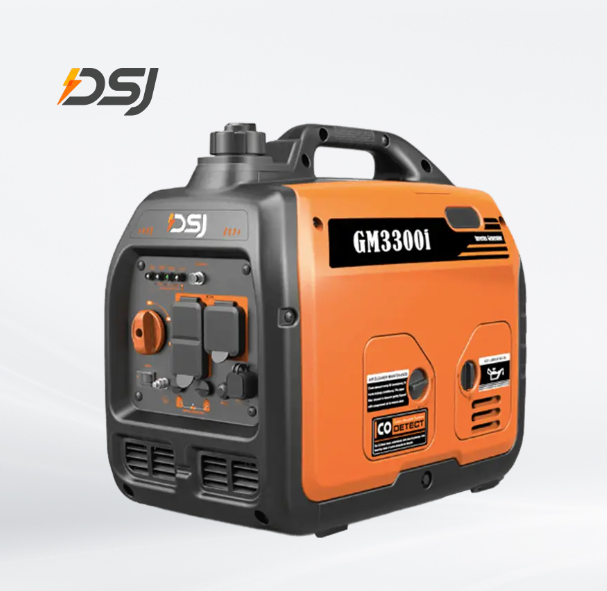
Why Choose an EPA Certified Generator?
Legality and Compliance: EPA certified generators comply with U.S. government environmental regulations. In many states, especially California, using non-EPA certified generators may result in hefty fines or even bans. Therefore, EPA certification is not only an environmental responsibility but also a legal requirement.
Reduce Pollution: EPA certified generators have significantly lower emission levels than conventional generators. These generators significantly reduce emissions of carbon monoxide, nitrogen oxides, and hydrocarbons, helping to improve air quality. For example, compared to uncertified generators, EPA certified generators can reduce harmful gas emissions by up to 90%.
Improve Equipment Efficiency: EPA certified generators are typically equipped with the latest emission control technologies, such as catalytic converters and precision combustion control technology. The introduction of these technologies not only improves fuel efficiency but also enhances the overall performance and lifespan of the generator.
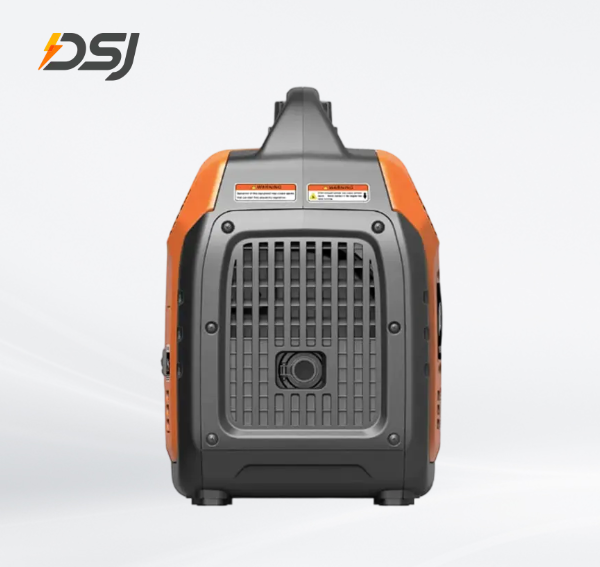
Differences Between EPA-Certified and Uncertified Generators
With increasingly stringent environmental policies, many consumers have questions about EPA certified generators. Here are the key differences between EPA-certified and uncertified generators:
Emission Levels: EPA certified generators have significantly lower pollutant emission levels during operation than uncertified generators. For example, an EPA-certified portable generator may release only about 0.01 grams of hydrocarbons per kilowatt-hour, while a similar uncertified generator may release up to 0.3 grams per kilowatt-hour.
Usage Permit: EPA certified generators are legal to use in many states, especially in areas with strict environmental regulations (such as California). Uncertified generators are often restricted or prohibited from sale because they do not meet environmental standards.
Lifespan and Maintenance: While EPA certified generators typically have a higher initial investment, they generally offer a longer lifespan and lower long-term maintenance costs due to their more efficient technologies.
EPA Certified Generator Emission Control Technologies
EPA certified generators are designed with innovative emission control technologies, including but not limited to:
Catalytic Converter: This device converts harmful emissions (such as carbon monoxide and nitrogen oxides) into harmless substances, reducing pollutant emissions.
Low-Emission Engine Design: To ensure the lowest possible emissions levels, many EPA certified generators employ advanced engine technologies such as Electronic Fuel Injection (EFI) systems. These systems optimize fuel mixing and reduce incomplete combustion.
Automatic Combustion Control System: Some high-end EPA certified generators are equipped with intelligent combustion control systems that automatically adjust the engine's combustion process based on load and operating conditions, further reducing emissions.
How to Choose an EPA Certified Generator?
Consider Your Use Case: If you plan to use the generator in environmentally sensitive areas such as national parks, lakes, or urban parks, choosing an EPA certified generator will avoid potential legal issues.
Understand Your Power Needs: Different EPA certified generators offer different power ranges. Choose the appropriate power for your specific needs to ensure efficient operation.
Check Emission Standards: Different EPA certified generator models may meet different emission standards (e.g., Tier 4 certification). Choose a model that meets the latest environmental standards to ensure the generator remains relevant for years to come.
EPA certified generators represent a combination of environmentally friendly technology and reliable performance. With increasing global environmental requirements, purchasing an EPA certified generator is not only an environmentally responsible choice but also a long-term investment in compliance with regulations and improved efficiency. By choosing these certified generators, consumers can reduce their environmental impact and enjoy a more efficient and longer-lasting user experience.
For exclusive deals and latest offers, sign up by entering your email address below.



 +86 18513032986
 FLC Center, Chaoyang District, Beijing, China
Copyright © DSJ Electrical Co., Ltd. All Rights Reserved
Power Distribution Equipment & System Manufacturer