+86 18513032986


Why a “Passed Inspection” on North American Job Sites Starts with Certified Craftsmanship
Admin 2026-07-16Navigating the rigorous landscape of North American electrical codes can be a minefield for project managers. A single compliance oversight can stall a multi-million-dollar project at the inspection phase. That is why industry veterans do not simply look for an electrical enclosure—they look for a legacy of compliance.
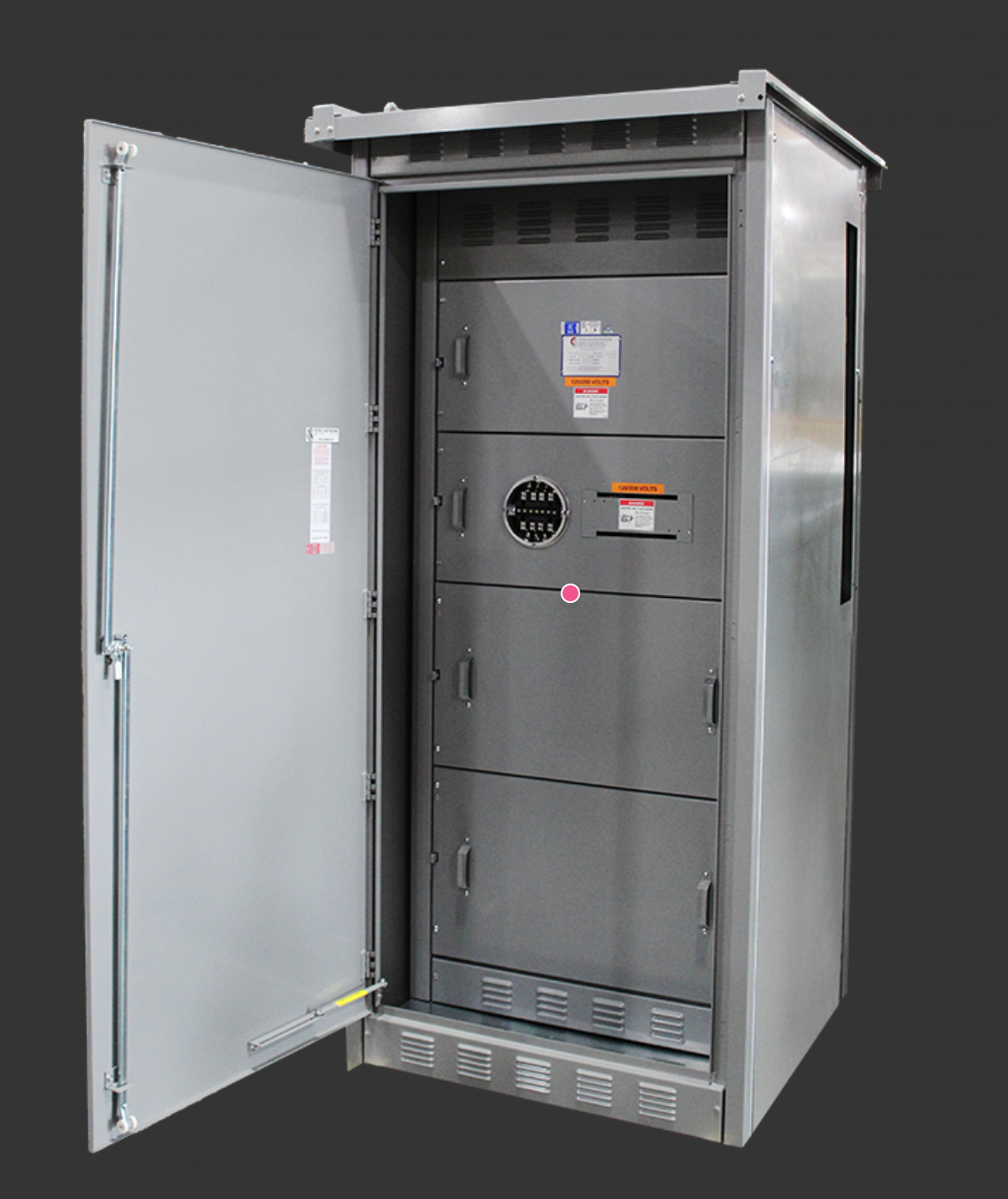
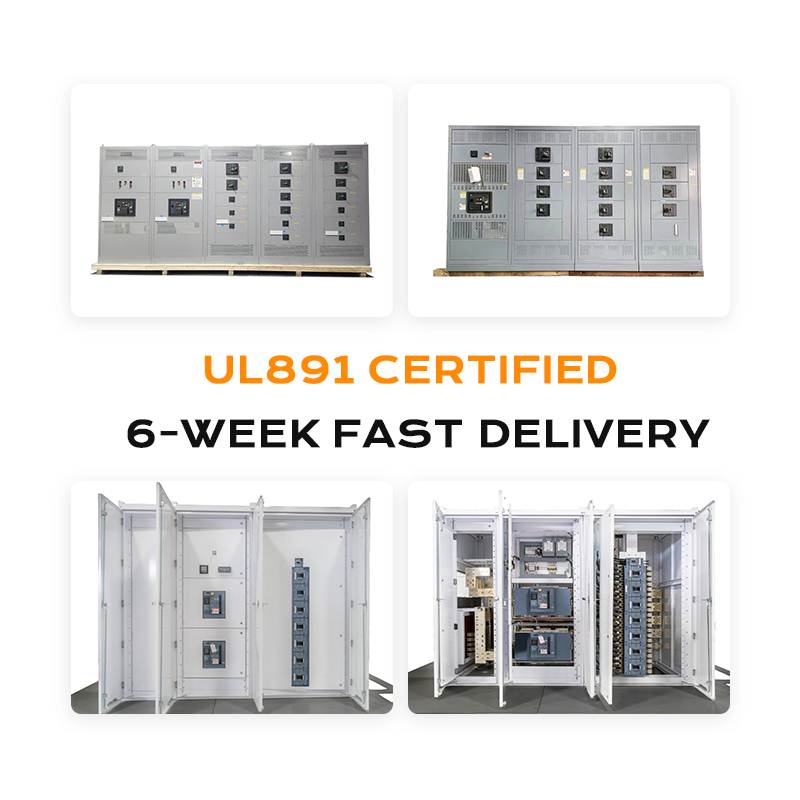
At DSJ Electrical, with over 40 years of manufacturing experience in power distribution equipment, we design UL 891 switchboards and custom electrical enclosures specifically for environments where inspection success is non-negotiable. In North American projects, passing inspection is not a final step—it is a design requirement from day one.
Compliance Is Built, Not Checked
In many failed inspection cases, the issue is not major design flaws, but small deviations that accumulate: inconsistent busbar spacing, insufficient grounding continuity, unclear circuit identification, or thermal performance gaps under real load conditions. These are precisely the details that North American inspectors under UL, CSA, and NEC frameworks evaluate closely.
DSJ Electrical integrates compliance engineering directly into production. Every UL 891 switchboard is manufactured with controlled busbar alignment, torque-consistent electrical joints, and structured wiring layouts that support inspection traceability. Ventilation design, enclosure protection ratings, and heat dissipation pathways are calculated to ensure stable operation under continuous industrial demand.
Designed for North American Inspection Reality
North American job sites are uniquely strict because inspection is tied directly to commissioning approval and project payment cycles. Any delay at this stage can create cascading cost impacts for contractors, developers, and EPC firms.
To address this, DSJ Electrical aligns manufacturing standards with UL and CSA expectations at the design phase, not after production. This includes:
- Standardized labeling systems for faster field verification
- Grounding continuity design aligned with UL safety expectations
- Busbar systems engineered for mechanical and thermal stability
- Modular layouts that simplify onsite installation and inspection review
By anticipating inspection requirements early, the equipment arrives on site already “inspection-ready,” reducing rework risk and avoiding last-minute compliance disputes.
From Manufacturing Precision to Project Risk Reduction
Choosing a manufacturer for electrical distribution systems is ultimately a risk decision. In complex infrastructure projects, downtime or failed inspection can cost far more than the equipment itself. That is why experienced contractors prioritize suppliers who understand not only product specifications, but also how inspectors evaluate real installations.
DSJ Electrical positions itself as more than a switchboard manufacturer—we act as a compliance-oriented engineering partner. Every enclosure delivered is designed to reduce uncertainty during commissioning, improve inspection outcomes, and support predictable project timelines.
Conclusion
In North American electrical projects, a “passed inspection” outcome begins long before the inspector arrives. It starts in the factory, with engineering discipline, standardized compliance processes, and a deep understanding of UL and CSA expectations.
When craftsmanship and compliance are built into every stage of production, inspection becomes a confirmation—not a challenge.
For exclusive deals and latest offers, sign up by entering your email address below.



 +86 18513032986
 FLC Center, Chaoyang District, Beijing, China
Copyright © DSJ Electrical Co., Ltd. All Rights Reserved
Power Distribution Equipment & System Manufacturer