+86 18513032986


Marine Distribution Boards vs. Ordinary Distribution Boards: What Makes CCS-Certified Marine Panels Different?
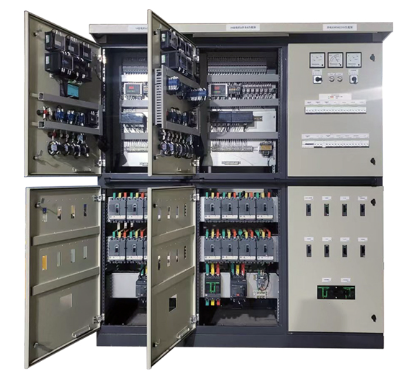
Admin 2026-07-15At first glance, a marine distribution board may look similar to an ordinary low-voltage distribution board. Both distribute power, protect circuits, and house breakers, meters, busbars, and terminals. But once the equipment is installed on a ship or offshore platform, the requirements change dramatically.
Marine electrical equipment must survive a moving, humid, salty, and space-limited environment. It also needs to meet the requirements of classification societies, such as CCS for China-classed vessels and marine projects.
The operating environment is different
An ordinary distribution board is usually installed in a building, factory, mall, data center, or outdoor substation. The environment may be dusty or hot, but the floor is normally stable.
A marine distribution board works in a very different world. Ships experience vibration, shock, rolling, pitching, humidity, salt mist, and limited maintenance space. Electrical equipment must remain reliable even when the vessel is moving and the environment is aggressive.
This affects almost every design detail: cabinet structure, component fixing, cable entry, anti-corrosion treatment, insulation materials, labeling, grounding, and heat dissipation.
Mechanical strength and vibration resistance
Marine panels require stronger mechanical design. Components must be secured so that vibration does not loosen terminals, busbars, relays, or breaker mounting parts. Cable terminals and internal wiring need proper support. Doors, hinges, locks, and panels should be robust enough for long-term onboard use.
In ordinary land-based panels, vibration may not be a major design focus. In marine panels, it is part of the basic requirement.
Corrosion protection is more important
Marine air contains moisture and salt. Salt mist can accelerate corrosion on steel enclosures, copper parts, screws, terminals, and exposed conductive surfaces. A marine distribution board needs better surface treatment, suitable enclosure material, anti-corrosion hardware, and careful separation of dissimilar metals where needed.
Good coating is not only about appearance. It helps protect the cabinet structure and electrical connections over years of service.
Electrical safety and protection coordination
Marine power systems often use 3-phase AC systems such as 440V, 415V, or 690V, depending on the vessel and project. Distribution boards may include MCCBs, MCBs, contactors, motor starters, measuring instruments, insulation monitoring devices, and emergency power circuits.
Protection coordination is essential. A fault in one feeder should not unnecessarily shut down critical systems. For ships, reliability is not only a business issue. It can be a safety issue.
Why CCS certification matters
CCS certification means the equipment is reviewed and accepted according to marine classification requirements. For a marine distribution board, this may involve drawing review, component selection, manufacturing inspection, routine testing, and documentation.
Typical review points include:
- Electrical schematic and single-line diagram
- Rated voltage, current, and short-circuit capability
- Busbar design and temperature rise
- Protection device selection
- Enclosure protection and mechanical structure
- Insulation resistance and withstand voltage testing
- Grounding and bonding arrangement
- Nameplates, labels, and documentation
Compared with an ordinary commercial distribution board, a CCS-certified marine panel needs stronger traceability and a clearer compliance process.
Space and maintenance are also special
On ships, space is limited. Panels must be compact, but still serviceable. Front access, cable routing, terminal layout, and component replacement all need to be considered at the design stage. A panel that looks neat in a drawing may be difficult to maintain if the internal layout is too tight.
At DSJ Electrical, we design marine distribution boards by combining electrical performance with practical installation needs. For CCS-related projects, we pay close attention to drawings, component brands, inspection documents, and manufacturing details.
In short, a marine distribution board is not just an ordinary panel painted differently. It is a power distribution system designed for movement, corrosion, safety, and classification compliance.
For exclusive deals and latest offers, sign up by entering your email address below.




 +86 18513032986
 FLC Center, Chaoyang District, Beijing, China
Copyright © DSJ Electrical Co., Ltd. All Rights Reserved
Power Distribution Equipment & System Manufacturer