+86 18513032986


Why Control Panel Design Fails in Real Projects — Key Engineering Points You Can’t Ignore | DSJ Electrical Insight
Admin 2026-06-11In real-world electrical projects, control panel performance is rarely determined by a single component. Failures usually come from system-level design oversights. From an engineering perspective, a reliable control panel must balance safety, thermal performance, mechanical layout, and compliance with the target standards.
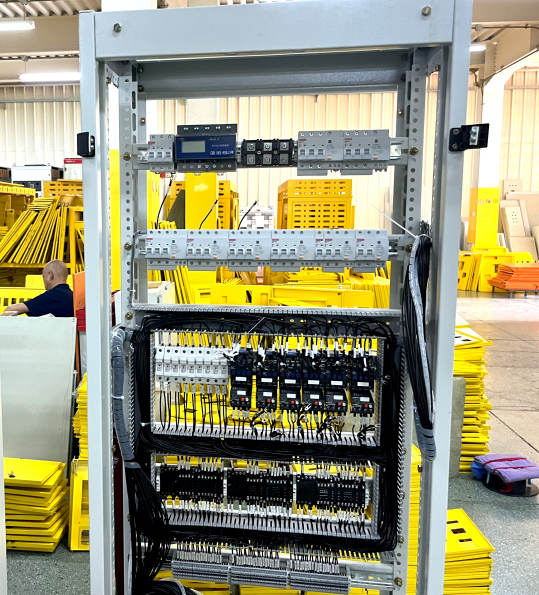
The first critical factor is electrical safety and clearances. Proper phase-to-phase spacing, phase-to-earth distance, and creepage/clearance design are fundamental. For high-current systems such as 630A or 1200A panels, busbar design becomes especially sensitive. Improper insulation coordination or insufficient spacing can lead to overheating, partial discharge, or even insulation breakdown over time.
Next is thermal management and temperature rise control. Every panel generates heat from breakers, contactors, and drives. If heat is not properly managed, component lifespan will drop significantly. Good engineering practice includes separating heat sources, optimizing internal airflow paths, and selecting appropriate ventilation or enclosure cooling solutions. Thermal design should always be considered together with current rating—not as an afterthought.
Another key point is component selection and compatibility. Mixing components from different systems or brands without proper coordination can create mechanical fit issues, wiring inconsistencies, or coil/control mismatches. For export projects, compliance also matters—such as UL Listed components for North America or CE-compliant parts for European applications.
Wiring layout and assembly quality is another area that directly affects reliability. Clean separation between power and control wiring, proper ferrule termination, clear labeling, and stress-free cable routing all reduce failure rates and simplify maintenance. In practice, many field issues come from poor wiring discipline rather than design theory.
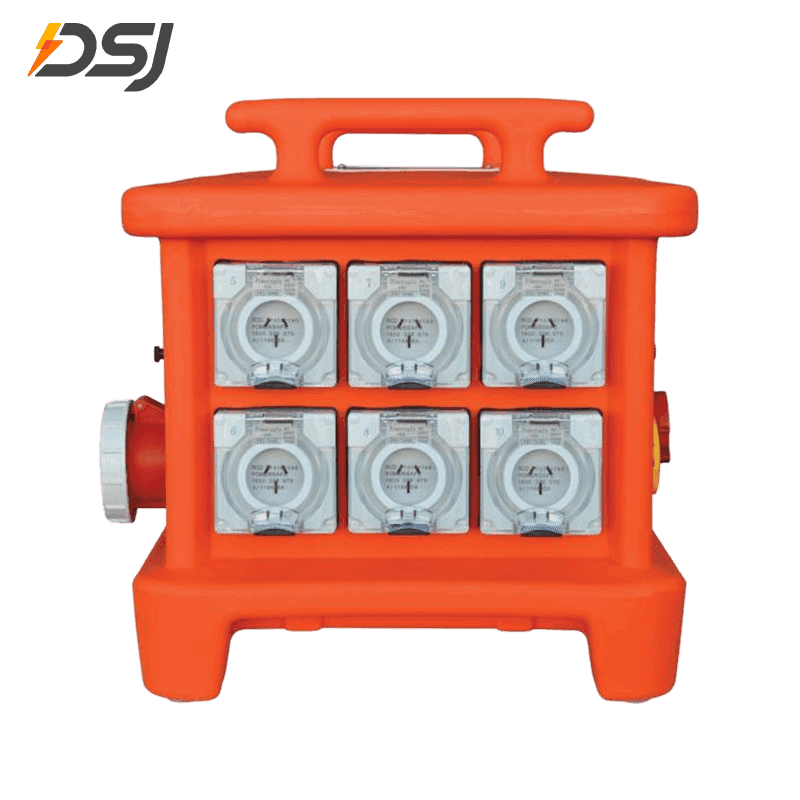
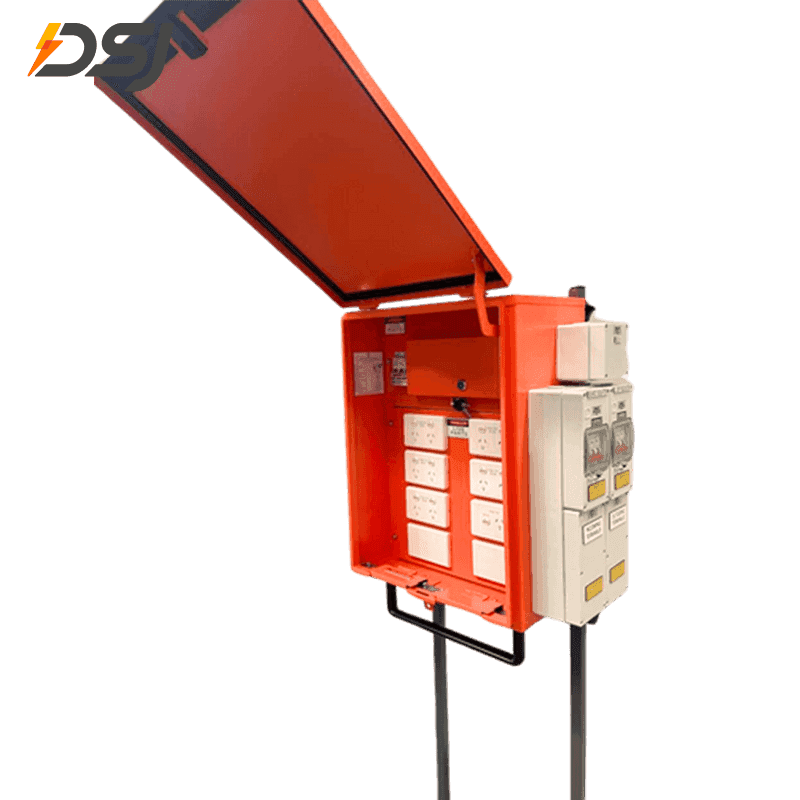
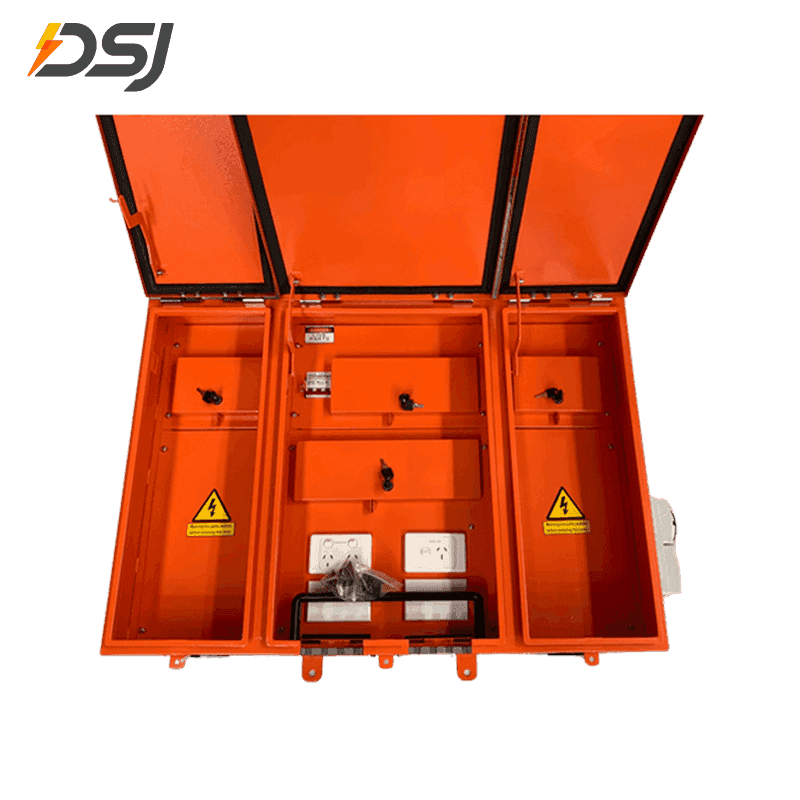
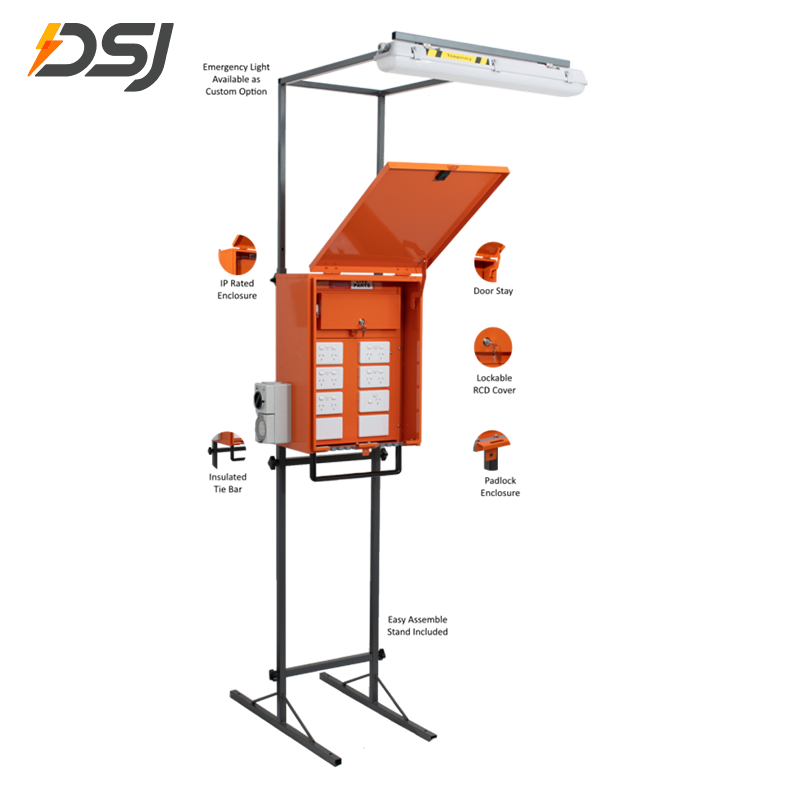
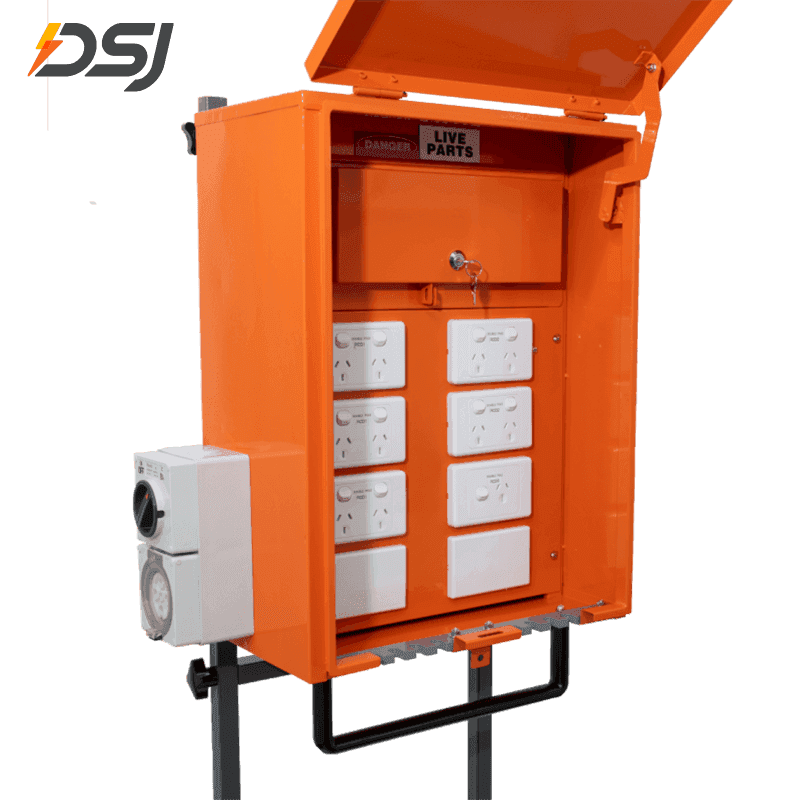
Environmental protection is also critical. Depending on application conditions, control panels may require IP54, IP65, or higher protection ratings. For construction sites or temporary power distribution, additional considerations like dust resistance, waterproof sealing, corrosion protection, and mechanical reinforcement become essential.
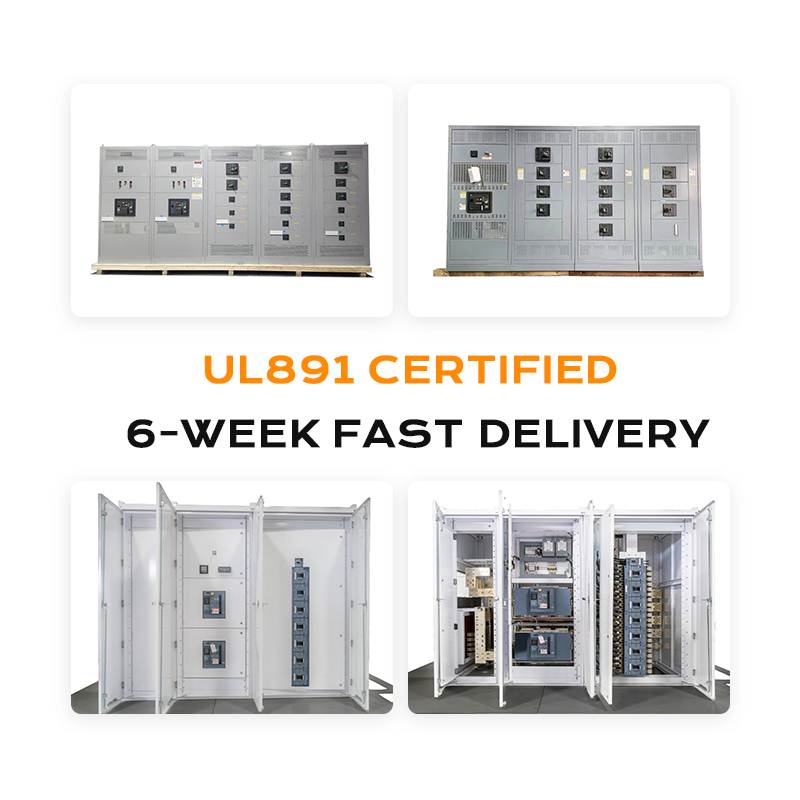
Finally, standards compliance defines the real market readiness of a control panel. UL 508A or UL 891 for North America, IEC 61439 for international markets, and AS/NZS requirements for Australia all define different expectations in terms of temperature rise limits, short-circuit ratings, labeling, and testing procedures. A design that ignores these differences cannot be safely or legally deployed across regions.
At DSJ Electrical, we focus on engineering-driven control panel design that aligns with global standards while maintaining practical manufacturability. In real projects, details are not optional—they are what determine whether a system runs reliably for years or fails in the field.
For exclusive deals and latest offers, sign up by entering your email address below.



 +86 18513032986
 FLC Center, Chaoyang District, Beijing, China
Copyright © DSJ Electrical Co., Ltd. All Rights Reserved
Power Distribution Equipment & System Manufacturer