+86 18513032986


Understanding Terminal Information Tables and Torque Labels in UL891 Switchboards
Admin 2026-05-20In modern power distribution systems, safety and reliability depend not only on the design of electrical equipment but also on correct installation practices. One small but extremely important detail inside a switchboard is the presence of terminal information tables and torque labels. These labels may appear simple, yet they play a crucial role in ensuring that electrical connections are installed properly and remain safe throughout the life of the equipment. For switchboards built according to the requirements of UL 891, these labels are an essential part of the overall safety system.
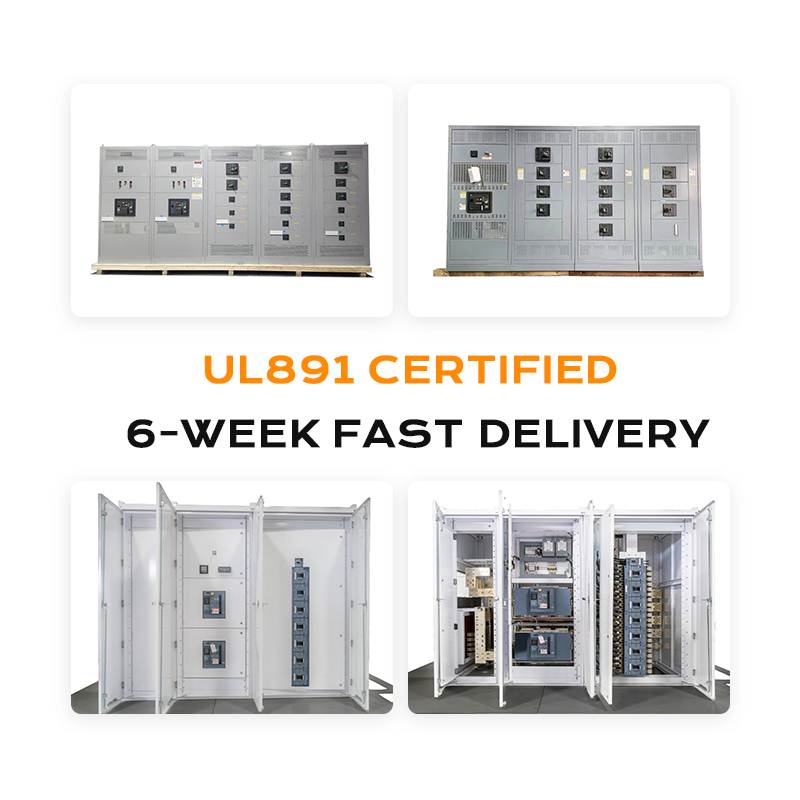
A switchboard is a large electrical distribution assembly designed to receive electrical power and distribute it to multiple downstream circuits. It is commonly used in industrial facilities, commercial buildings, hospitals, data centers, and infrastructure projects where large amounts of electrical power must be controlled and distributed safely. In North America, many switchboards are designed and certified according to UL 891, which establishes requirements for construction, testing, and safety performance of switchboards rated up to 600 volts. Major electrical manufacturers such as Schneider Electric, Eaton, and Siemens all manufacture switchboards that comply with this standard.
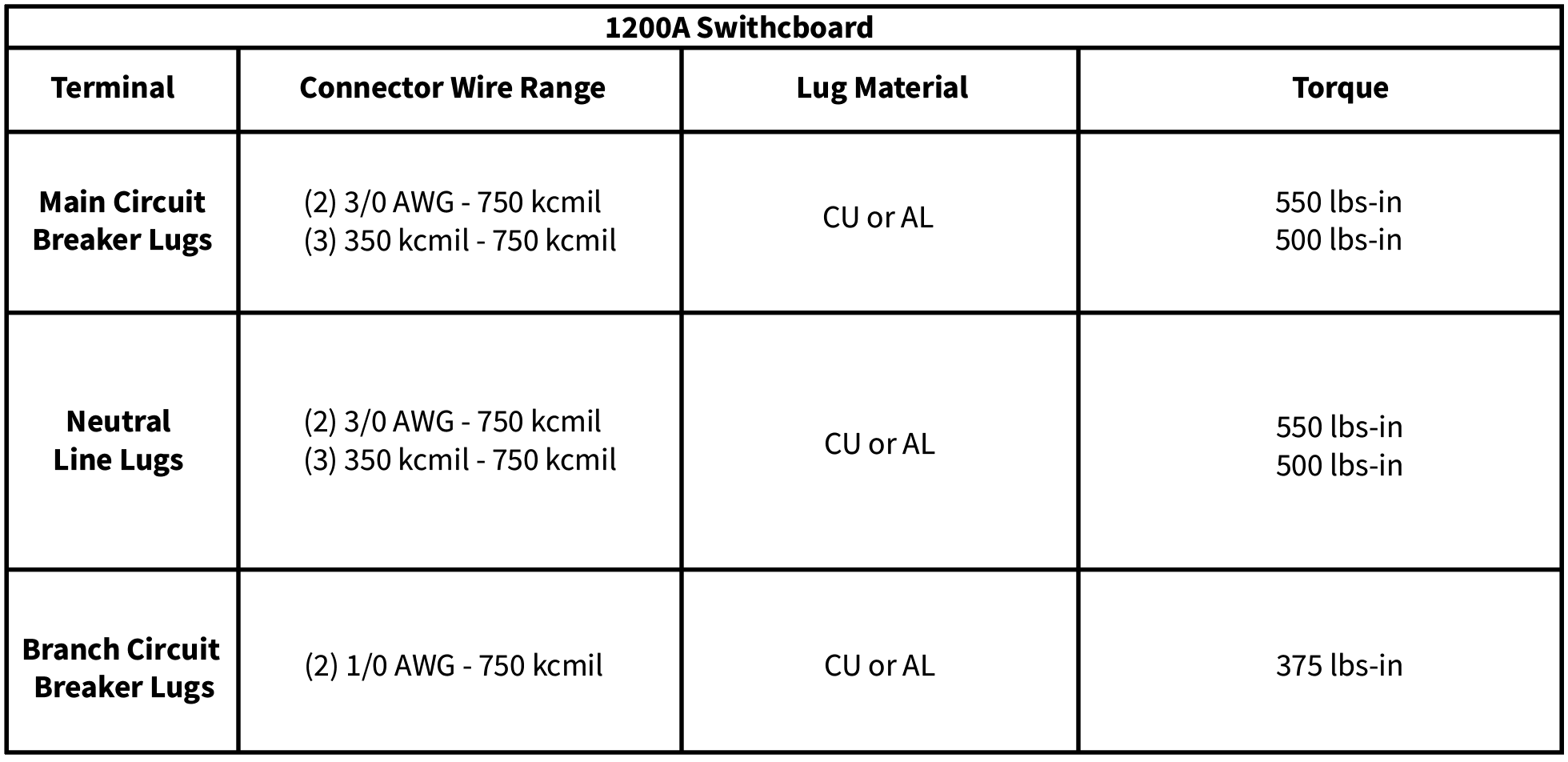
Inside a UL891 switchboard, installers will usually find a label that provides information about the electrical terminals used in the equipment. This label is often called the terminal information table. Its purpose is to tell installers what types of conductors can be safely connected to the terminals. Electrical terminals are designed to accommodate specific wire sizes and materials, and using the wrong conductor size can lead to unreliable connections or overheating. The terminal information table therefore provides guidance about conductor size ranges, conductor material, and the number of conductors allowed per terminal.
For example, a terminal information table may indicate that a particular mechanical lug accepts copper or aluminum conductors ranging from 2/0 AWG to 600 kcmil. It may also specify that only one conductor is allowed in each terminal opening. This information ensures that electricians install conductors that match the mechanical and electrical capabilities of the terminal. Without this information, installers might unknowingly use conductors that are too small or too large, which could compromise the safety and reliability of the electrical system.
In addition to the terminal information table, UL891 switchboards also include a torque label or torque table. This label specifies the correct tightening torque for the screws or bolts that secure electrical conductors to the terminals. Proper tightening torque is critical because electrical connections must maintain firm mechanical pressure between the conductor and the terminal surface. If the connection is not tightened sufficiently, the contact resistance increases and the connection may generate heat during operation.
Over time, loose electrical connections can become a serious safety hazard. Elevated resistance at the connection point causes localized heating, which may damage insulation, degrade terminal materials, or even lead to electrical fires. At the same time, excessive tightening can also create problems. Over-torquing may damage threads, deform the conductor strands, or weaken the terminal structure. For this reason, manufacturers specify precise torque values for each terminal size and hardware type.
Torque values in North American equipment are typically expressed in pound-inch (lb-in), although some labels may also provide equivalent values in Newton-meters. The torque table generally lists several bolt sizes together with their corresponding torque requirements. For instance, a torque label might indicate that a 3/8-inch bolt should be tightened to approximately 275 lb-in, while a 1/2-inch bolt may require about 500 lb-in. These values are determined through testing by the manufacturer to ensure the connection performs safely under electrical load and thermal cycling.
The terminal information table and the torque table work together as part of the installation guidance for the switchboard. The terminal table tells the installer which conductor sizes are acceptable, while the torque label specifies how tightly the terminal hardware must be secured. When installing a main feeder cable, an electrician will first verify that the conductor size falls within the permitted range shown on the terminal label. After inserting the conductor into the lug, the installer must then tighten the terminal bolt using a torque wrench to reach the torque value indicated on the torque label. Following both pieces of information ensures that the connection meets the manufacturer's tested conditions.
Within a UL891 switchboard, these labels are usually placed in locations that are easy for installers to see. They are commonly attached to the inside surface of the switchboard door or positioned near the main lugs and cable termination area. The goal is to make sure that technicians can quickly locate the information during installation or maintenance. According to the requirements enforced by UL Solutions, installation instructions that affect safety must remain permanently marked and clearly legible throughout the service life of the equipment.
Because switchboards are often installed in demanding environments, the labels themselves must also be durable. Manufacturers typically use industrial polyester labels, laminated materials, or engraved nameplates designed to resist heat, oil, moisture, and cleaning chemicals. These materials ensure that the printed information remains readable even after years of operation in electrical rooms or industrial facilities.
From an installation perspective, electricians should always pay close attention to these labels before connecting power cables. Using the correct conductor size and tightening torque significantly reduces the risk of overheating or connection failure. Professional installers typically use calibrated torque wrenches rather than relying on manual judgment, because even experienced technicians can easily apply too much or too little tightening force without proper tools.
In summary, terminal information tables and torque labels may appear to be small details inside a switchboard, but they are essential components of safe electrical installation practices. In switchboards built according to UL 891, these labels provide critical information that helps installers select appropriate conductors and apply the correct tightening torque to electrical connections. By carefully following the guidance provided on these labels, engineers and electricians can ensure that switchboards operate reliably and safely throughout their service life.
For exclusive deals and latest offers, sign up by entering your email address below.



 +86 18513032986
 FLC Center, Chaoyang District, Beijing, China
Copyright © DSJ Electrical Co., Ltd. All Rights Reserved
Power Distribution Equipment & System Manufacturer