+86 18513032986


Canadian vs. U.S. Electrical Panels: Key Similarities and Differences
Admin 2026-06-09DSJ Electrical specializes in manufacturing electrical panels and holds full compliance certifications including UL, cUL, and CSA. Drawing on that hands‑on experience, this article compares Canadian and U.S. panel standards from an engineer's perspective, helping you navigate both markets efficiently and avoid compliance pitfalls.
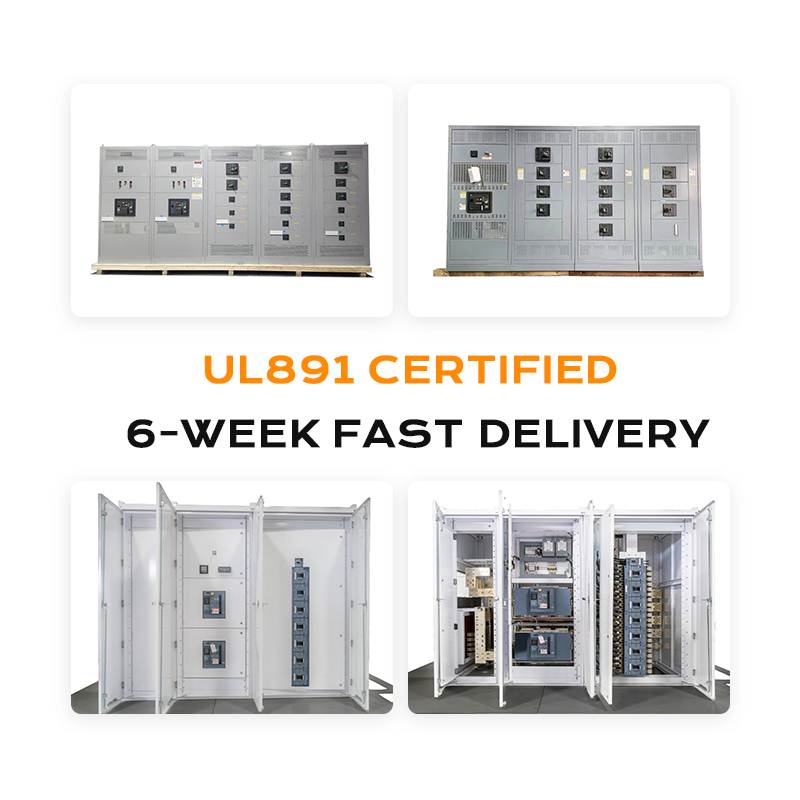
In product standards, both Canada and the U.S. use performance‑based systems enforced by third‑party certification, and the two frameworks map closely. For example, CSA C22.2 No. 14 for industrial control equipment corresponds to UL 508A; CSA C22.2 No. 29 for panelboards corresponds to UL 67; CSA C22.2 No. 31 for switchgear assemblies corresponds to UL 891 or UL 1558; and the CSA C22.2 No. 60947 series is fully harmonized with UL 60947. Notably, CSA C22.2 No. 286 for industrial control panels is technically very close to UL 508A, which makes joint cULus certification straightforward. However, mapping does not mean identical. Even where standard numbers align, technical details can differ. For instance, both CSA No. 286 and UL 508A cover up to 1500 V, but they apply different rules for branch circuit overcurrent protection in group installations. Also, elevator equipment falls under CSA B44.1 in Canada and UL 60947 in the U.S. – a detail that can trip you up if you are not careful.
When it comes to installation codes, Canada uses the Canadian Electrical Code (CEC, CSA C22.1) while the U.S. uses the National Electrical Code (NEC). Although they share many concepts, terminology differs enough to cause confusion. For example, what the CEC calls a grounding conductor is called a grounding electrode conductor in the NEC; the CEC's identified conductor is the grounded conductor in the NEC; and the CEC's bonding conductor is the equipment grounding conductor in the NEC. Installation rules also diverge in practical ways. The CEC requires grounding conductors to be copper only, whereas the NEC allows copper, aluminum, or copper‑clad aluminum. Canada mandates a minimum ground rod length of three meters (about ten feet), while the U.S. requires eight feet (about 2.44 meters). Working space requirements also differ: the NEC calls for 78 inches high by 30 inches wide by 36 inches deep in front of low‑voltage panels, while the CEC requires only one meter (about 39 inches) of clear height. Additionally, U.S. Panelboards are limited to 42 branch circuits, whereas Canada has no such limit. These differences directly affect field inspections, and ignoring them can get your installation rejected.
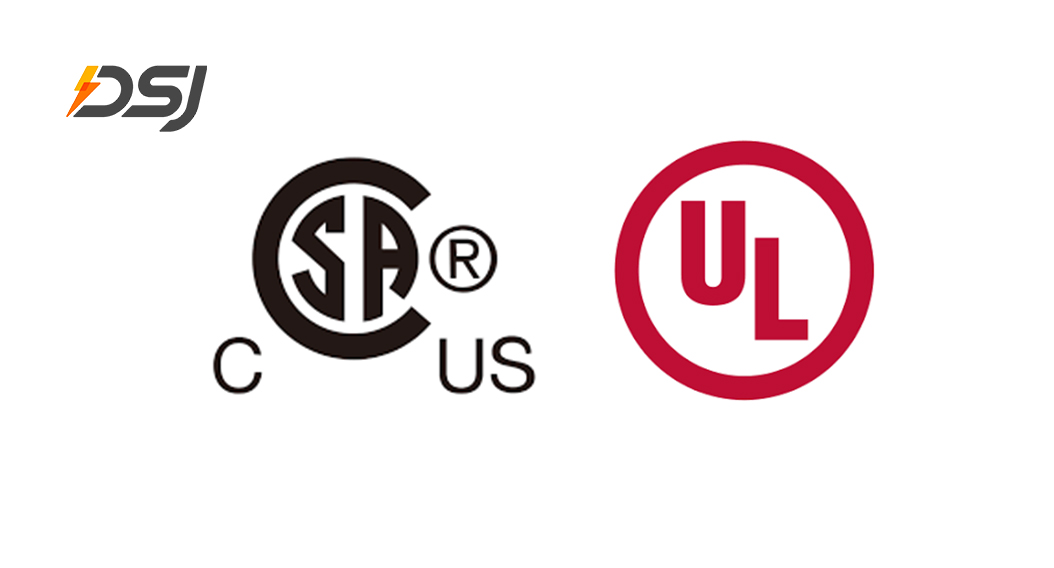
On certification and market access, both countries mandate third‑party certification. The U.S. accepts marks from any NRTL (Nationally Recognized Testing Laboratory), such as UL, CSA, or ETL. Canada requires certification by an SCC‑accredited body like CSA or cUL. Thanks to the U.S.–Canada Mutual Recognition Agreement (MRA), CSA and UL can recognize each other's test results, so you can apply to one lab and obtain both U.S. and Canadian marks. For dual‑market products, two practical paths exist: cUL (where UL tests to Canadian standards and issues a cUL mark) and CSA with a US mark (where CSA tests to both standards and issues a single mark for both countries). Both paths are equally valid, and the choice often comes down to lab preference and existing product approvals. DSJ Electrical holds UL, cUL, and CSA certifications, enabling seamless compliance for projects on either side of the border without redundant testing.
Regarding enclosures, both Canada and the U.S. rely on NEMA enclosure ratings rather than IP codes. The key standards – NEMA 250, UL 50/50E, and CSA C22.2 No. 94.1/94.2 – are technically harmonized, so no extra testing is needed to meet Canadian requirements if your product already meets U.S. NEMA ratings. NEMA ratings cover not just dust and water ingress but also corrosion, gasket aging, and ice formation – things that IP ratings alone do not address. For panels destined for North America, specifying NEMA types such as NEMA 1, 3R, 4X, or 12 is standard practice. However, remember that NEMA itself does not test or certify; you still need a lab like UL or CSA to verify compliance.
In summary, U.S. and Canadian panel standards share a common ancestry. Product standards map closely, enclosure requirements are harmonized, and mutual recognition agreements eliminate most double‑testing. But the differences that remain are real – in grounding materials, working space dimensions, circuit limits, and even basic terminology. As CSA and UL continue to align their standards, the technical gap is shrinking. Meanwhile, working with a manufacturer that already holds UL, cUL, and CSA certifications, like DSJ Electrical, can cut certification lead times and reduce project risk. Knowing these small but critical differences upfront saves you from redesign, re‑testing, and inspection headaches.
In summary, U.S. and Canadian panel standards share a common ancestry. Product standards map closely, enclosure requirements are harmonized, and mutual recognition agreements eliminate most double‑testing. But the differences that remain are real – in grounding materials, working space dimensions, circuit limits, and even basic terminology. As CSA and UL continue to align their standards, the technical gap is shrinking. Meanwhile, working with a manufacturer that already holds UL, cUL, and CSA certifications, like DSJ Electrical, can cut certification lead times and reduce project risk. Knowing these small but critical differences upfront saves you from redesign, re‑testing, and inspection headaches.
For exclusive deals and latest offers, sign up by entering your email address below.



 +86 18513032986
 FLC Center, Chaoyang District, Beijing, China
Copyright © DSJ Electrical Co., Ltd. All Rights Reserved
Power Distribution Equipment & System Manufacturer