+86 18513032986


Energy Security in 2026: The Role of Electrical Infrastructure During Global Oil Disruptions
Admin 2026-05-19The global energy landscape is currently navigating its most significant disruption in decades. The de facto closure of the Strait of Hormuz—a vital artery for nearly 20% of the world’s oil supply—has triggered the largest supply disruption in history, according to the International Energy Agency (IEA).
For industries dependent on stable power, this crisis has shifted the focus from fossil fuels to the reliability of the electrical grid. As oil volatility makes fuel dependence a major operational risk, the demand for resilient electrical infrastructure has moved from a "long-term goal" to an "immediate necessity."
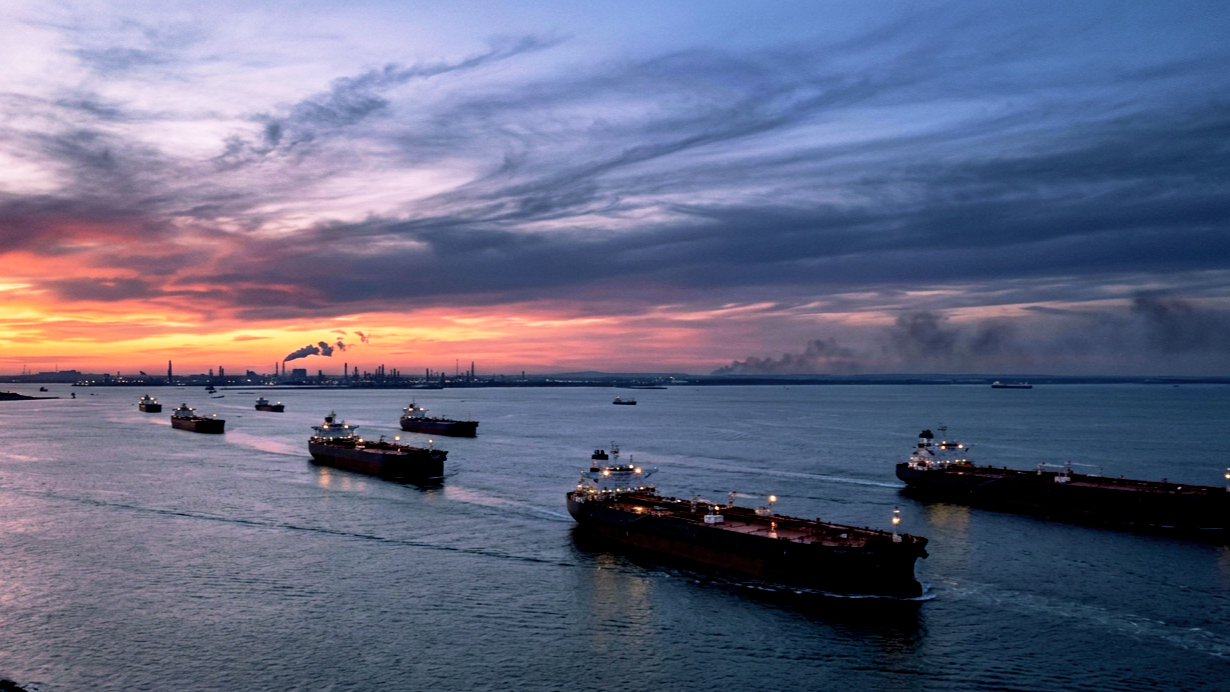
The 2026 Oil Crisis: Market Reality vs. Logistical Constraints
Analysts describe the current market as a "logistical paradox." While global oil markets had sufficient supply at the start of the year, the inability to move product through primary shipping routes has reversed that dynamic.
- Price Volatility: Brent crude peaked at $128 per barrel on April 2nd. The U.S. Energy Information Administration (EIA) projects prices will remain elevated, averaging $115 through Q2 2026.
- Inventory Depletion: Global stockpiles are dropping by 5.1 million barrels per day. The EIA warns that even after shipping resumes, the backlog will keep energy prices volatile through 2027.
Driving the Demand for Electrical Modernization
The current shock is accelerating three major shifts in industrial power management:
1. Transitioning Away from Diesel and Oil-Fired Power
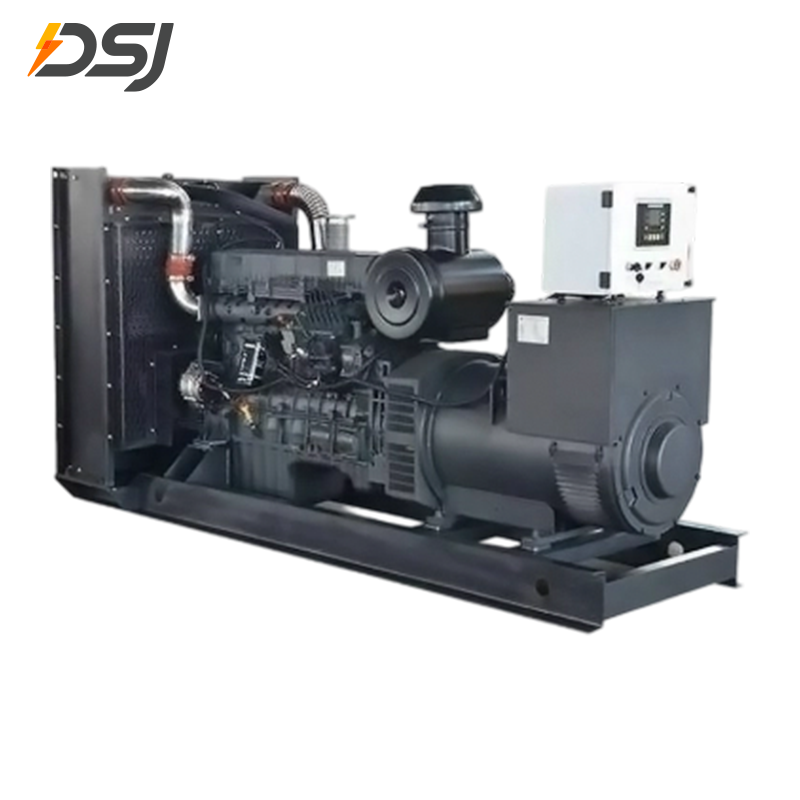
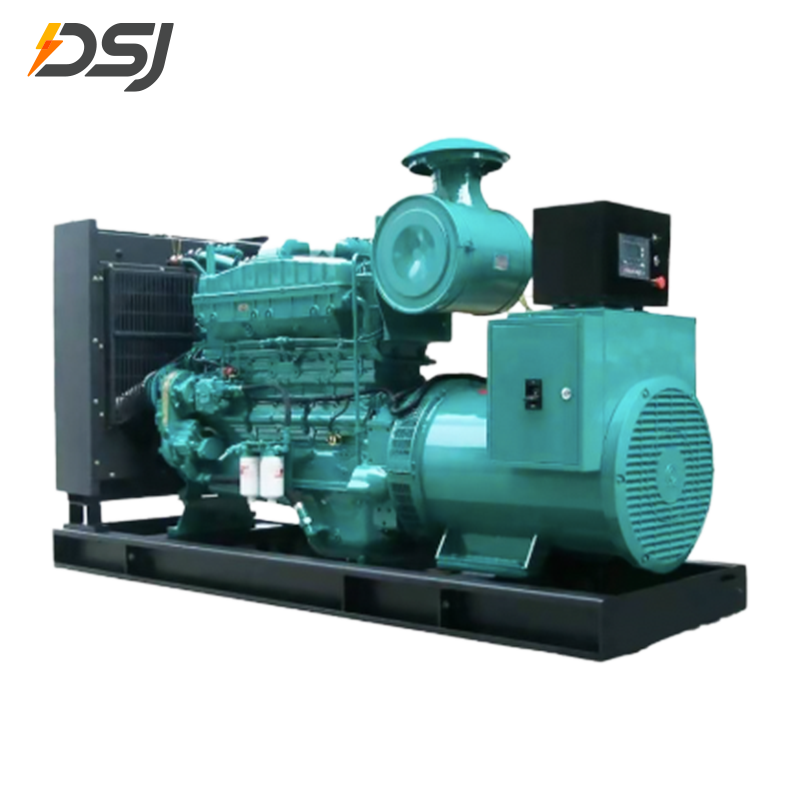
Sky-high fuel costs are forcing industrial leaders to replace diesel generators and oil-fired boilers with grid-connected or renewable solutions. This shift creates an immediate need for high-capacity transformers to convert utility power and switchgear to protect newly electrified production lines.
2. Grid Reliability as a Strategic Priority
Grid investment is now a matter of national and corporate energy independence. According to the IEA’s Electricity 2026report, global power demand is growing at 3.6% annually.
- The Investment Gap: To maintain reliability, annual grid investment must rise by 50% by 2030.
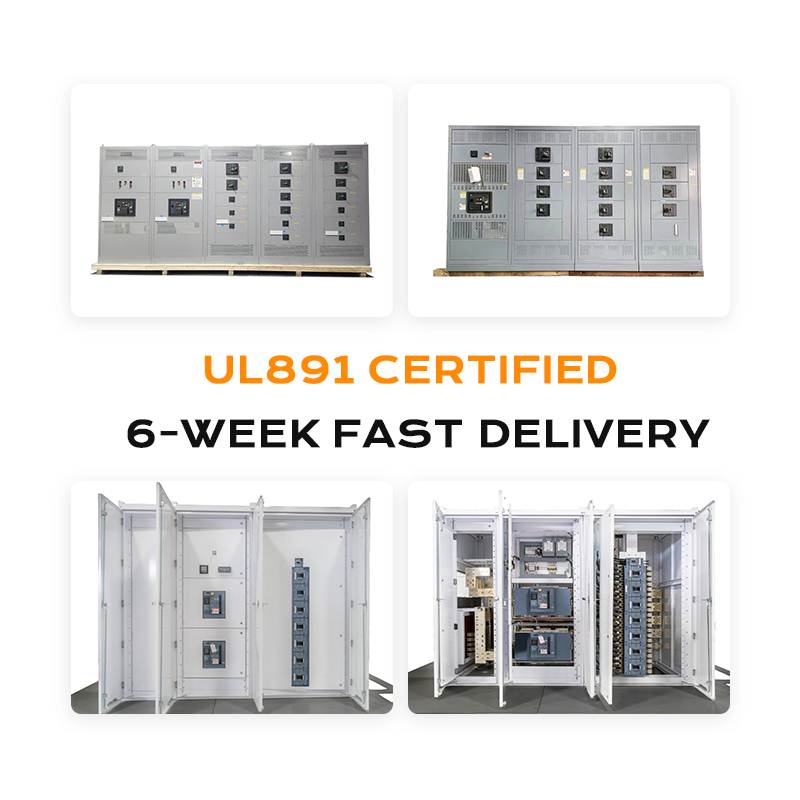
- Equipment Upgrades: Utilities are prioritizing UL-certified equipment to handle the increased load from modern industrial facilities and data centers.
3. Overcoming Equipment Shortages
In a crisis, lead times are as critical as price. Traditional supply chains are struggling to keep pace with the urgent demand for new hardware. This has created a global shortage of distribution equipment, where manufacturing speed has become the primary factor for project success.
DSJ: Supporting the Energy Transition
As the world pivots toward electricity, DSJ provides the mission-critical hardware required to turn energy strategy into operational reality.
The DSJ Advantage:
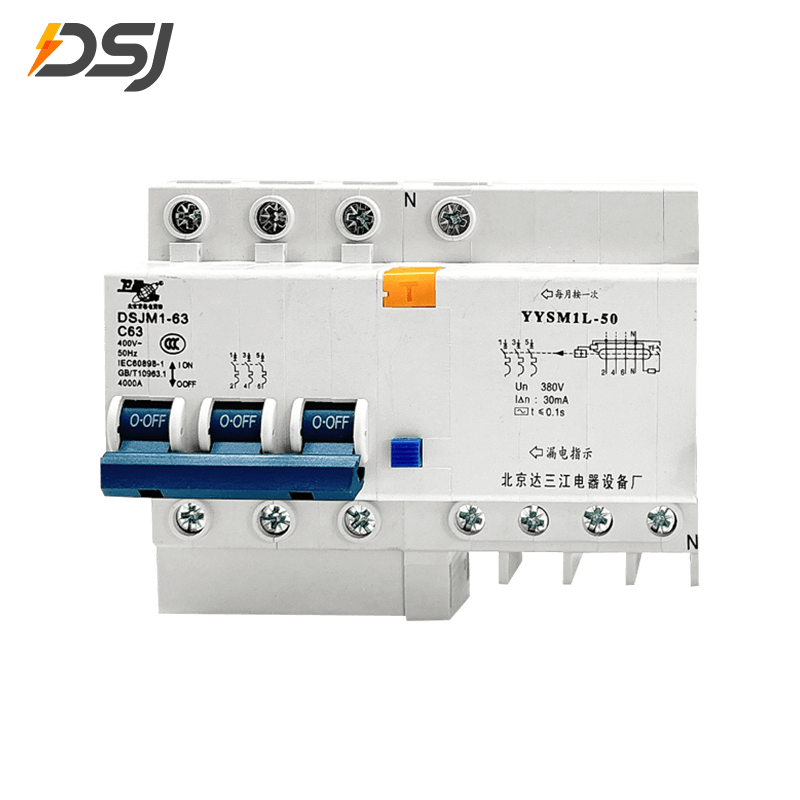
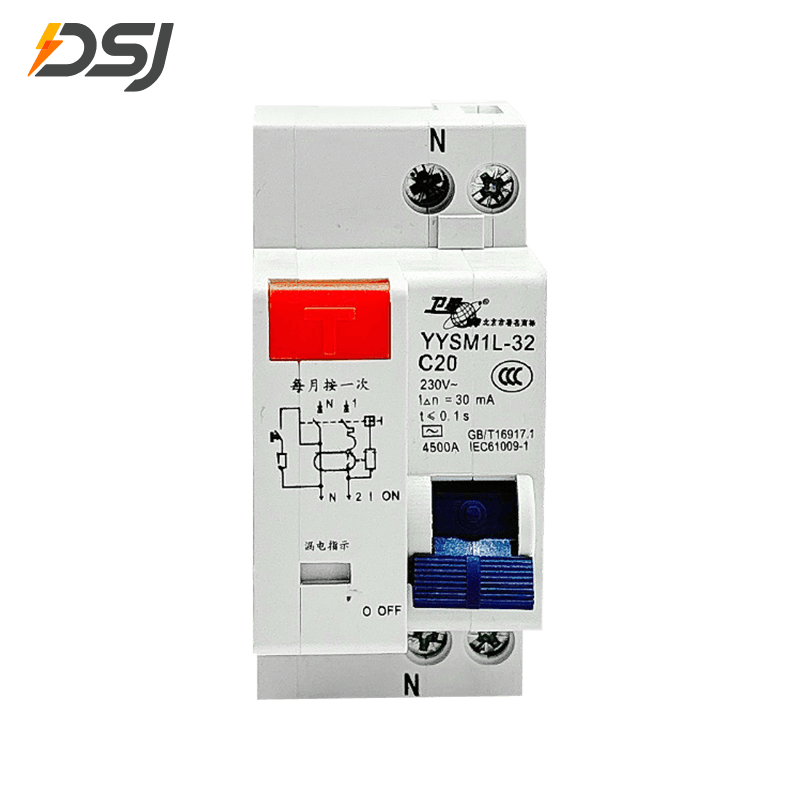
- Certified Safety: DSJ specializes in UL and CE compliant switchgear and transformers, meeting the rigorous safety and insurance standards of North American and European markets.
- Production Agility: Our integrated manufacturing allows for shorter lead times, helping project managers stay on schedule despite broader market instability.
- Reliable Distribution: We provide the essential bridge between the utility grid and the industrial facility, ensuring that new electrical interconnections are stable and efficient.
Outlook: A Permanent Shift to Electricity
The EIA assumes Brent will average $96 per barrel throughout 2026. This sustained high-cost environment ensures that the structural shift away from oil is irreversible.
- Short-term (2026): Demand is driven by emergency grid upgrades and the integration of renewable energy to bypass fuel costs.
- Medium-term (2027–2028): Continued investment as global economies seek to insulate themselves from future maritime supply disruptions.
Conclusion: Building Resilience
The 2026 oil crisis has proven that energy supply chains are only as strong as their weakest link. By replacing oil dependence with robust, reliable electrical infrastructure, industries are building a more resilient future.
DSJ stands ready at the center of this transformation, providing the UL-certified equipment that powers a world in transition.
For exclusive deals and latest offers, sign up by entering your email address below.



 +86 18513032986
 FLC Center, Chaoyang District, Beijing, China
Copyright © DSJ Electrical Co., Ltd. All Rights Reserved
Power Distribution Equipment & System Manufacturer