+86 18513032986


How to Fix a Circuit Overload: Step-by-Step Safety Guide
Admin 2026-05-18Content
- 1 How to Fix a Circuit Overload: The Direct Answer
- 2 What Actually Causes a Circuit Overload
- 3 Warning Signs of an Overloaded Circuit to Watch For
- 4 Step-by-Step: How to Fix a Circuit Overload Safely
- 5 How to Calculate Your Circuit's Load Capacity
- 6 How to Redistribute Electrical Load Across Circuits
- 7 When to Upgrade Your Circuit Breaker or Electrical Panel
- 8 Long-Term Prevention: Habits and Equipment That Eliminate Repeat Overloads
- 9 Common Mistakes That Make Circuit Overloads Worse
- 10 When the Problem Is Not a Circuit Overload
How to Fix a Circuit Overload: The Direct Answer
When a circuit overload hits, the immediate fix is straightforward: unplug high-wattage appliances from the affected circuit, wait 1–2 minutes for the wiring to cool down, then reset the tripped circuit breaker by firmly switching it to the OFF position first, then back to ON. Skipping the OFF step is the single most common reason a reset fails — the internal mechanism inside the breaker requires a full OFF-to-ON stroke to re-engage properly.
That said, resetting a tripped breaker is only the beginning. If the overload keeps returning, you're dealing with a structural electrical problem — too many devices competing for too little capacity on the same branch circuit. This guide walks through every layer of the issue: what causes overloads, how to identify the warning signs before a trip happens, how to redistribute your electrical load, and when it's time to call a licensed electrician for a panel upgrade or dedicated circuit installation.
What Actually Causes a Circuit Overload
Every circuit in your home is rated for a specific amount of electrical current, measured in amperes (amps). Standard residential branch circuits are typically rated at either 15 amps or 20 amps. When the total draw from all devices on that circuit exceeds the rated limit, the circuit breaker trips — cutting power to prevent the wiring from overheating and potentially igniting surrounding materials.
The most common culprit is running multiple high-draw appliances simultaneously on the same circuit. A hair dryer pulling 1,500 watts, a coffee maker drawing 1,200 watts, and a toaster oven at 1,800 watts — all plugged into kitchen outlets that share one 20-amp circuit — can collectively demand over 4,500 watts. A 20-amp, 120-volt circuit can handle roughly 2,400 watts safely (80% of 2,400W is the recommended sustained limit). The math simply doesn't work.
Beyond simultaneous use, other causes include:
- Daisy-chained power strips and multi-tap adapters — these create the illusion of more outlets but draw from the same single circuit, compounding the load.
- Loose or corroded wiring connections — a degraded connection increases electrical resistance, causing localized overheating even at loads the circuit would normally handle without trouble.
- Aging electrical panels — older homes may have panels originally sized for 60–100 amps of total service, insufficient for today's average household consumption of 200+ amps.
- Growth in device count — smart TVs, gaming consoles, EV chargers, and home office equipment have dramatically increased per-household electrical demand over the past decade.
- Missing or damaged panel covers — open breaker panels accumulate dust and debris, which can interfere with the breaker's thermal sensing and create arc hazards that mimic overload behavior.
Understanding the root cause determines the right fix. A one-time overload from holiday cooking is very different from a circuit that trips every week under normal use.
Warning Signs of an Overloaded Circuit to Watch For
Circuit breakers don't always trip at the exact moment overloading begins. The thermal-magnetic mechanism inside a standard breaker takes time to respond, meaning wiring can run above rated capacity for several minutes before the breaker reacts. Learning to recognize early warning signs lets you act before a trip — or worse, a fire.
- Flickering or dimming lights — particularly when a large appliance cycles on (like a refrigerator compressor or air conditioner), a visible dip in light intensity signals voltage sag from excessive current draw.
- Buzzing, humming, or crackling sounds from outlets or switches — these are audible signs of electrical arcing or loose connections under load stress.
- Warm or discolored outlet faceplates — outlets should never be warm to the touch. Heat means the wiring inside the wall is working harder than it should.
- Hot extension cords or power strip housings — if the plastic casing feels soft or the cord is noticeably warm along its length, the cord is being pushed beyond its rated ampacity. Discard it immediately; do not attempt to continue using it.
- Frequent circuit breaker trips — a breaker that trips more than once in a short period under typical household loads is telling you the circuit's capacity is insufficient for current demand, not just that you ran too many appliances that one time.
- A burning smell near outlets or the electrical panel — this is a serious warning. Cut power to the affected area immediately and call an electrician before restoring it.
Step-by-Step: How to Fix a Circuit Overload Safely
Follow these steps in order. Rushing straight to the breaker panel without addressing the root overload will simply trip the breaker again.
Step 1 — Unplug High-Wattage Devices From the Affected Circuit
Go to the area where power was lost and systematically unplug all non-essential devices. Prioritize the highest-wattage items first: space heaters (typically 1,500W), hair dryers (1,200–1,875W), microwaves (600–1,200W), toaster ovens (1,200–1,800W), and countertop grills. Leave only essentials like a refrigerator plugged in if it's on the same circuit, and even then consider whether it can be temporarily unplugged during the reset process.
Step 2 — Locate the Tripped Breaker in Your Electrical Panel
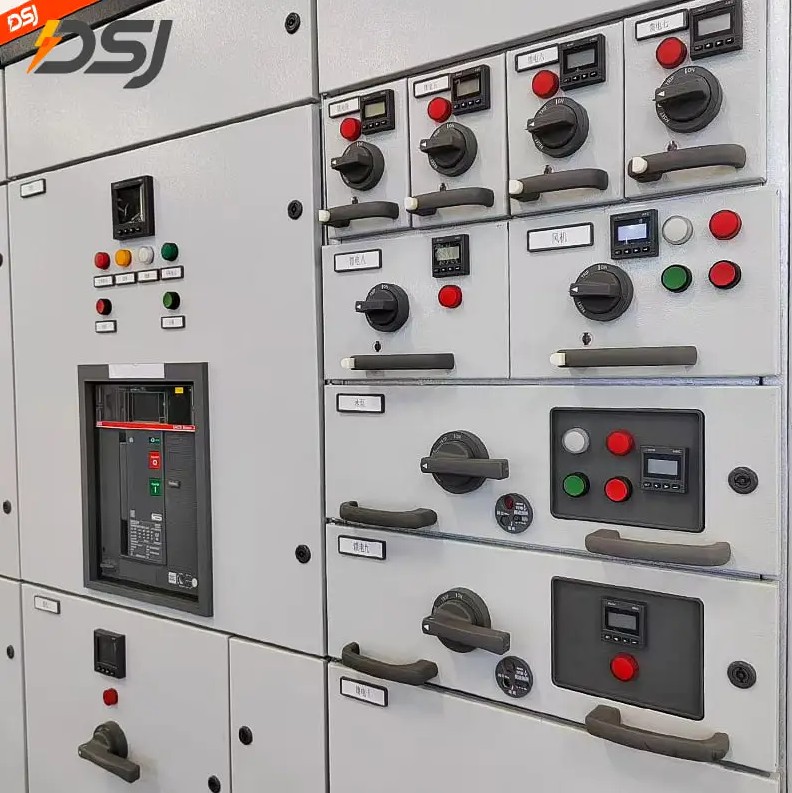
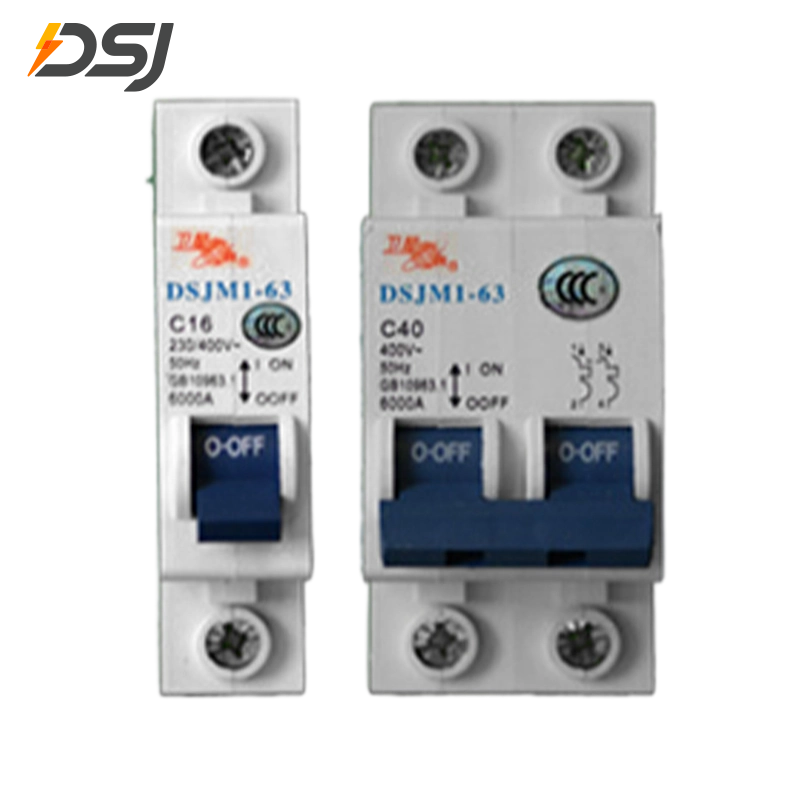
Open the circuit breaker panel — usually located in a basement, utility room, garage, or hallway. A tripped breaker will either be in a middle "tripped" position (between ON and OFF), or may appear to be in the ON position but will feel loose compared to neighboring breakers. Some modern breakers have a red or orange indicator window that becomes visible when tripped. If your panel breakers are not labeled, this is a good time to map them — it will save significant time in future incidents.
Step 3 — Reset the Circuit Breaker Correctly
First move the breaker firmly and fully to the OFF position, then push it to ON. This two-step motion is essential. The internal thermal element inside the breaker must be mechanically reset to the OFF state before the contact mechanism can re-engage. Pushing directly to ON without going through OFF first frequently results in the circuit appearing to reset but failing to restore power — which is the single most common mistake homeowners make. Wait at least 30 seconds between the OFF position and the ON flip to allow any residual heat to dissipate.
Step 4 — Test the Circuit and Redistribute Your Load
Once power is restored, plug devices back in one at a time and observe the circuit. If the breaker holds, you've confirmed that the load was the problem. Now permanently redistribute: move high-draw appliances to outlets on different circuits. Do not plug all your high-wattage kitchen appliances back into the same outlets they were using before — that will reproduce the exact overload conditions you just resolved.
Step 5 — Monitor and Investigate If the Breaker Trips Again
If the circuit breaker trips again within a short period despite reducing the load, stop restoring power to that circuit and contact a licensed electrician. Repeated tripping after a proper reset can indicate a failing breaker, undersized wiring, a short circuit elsewhere in the circuit path, or a deeper panel issue — none of which are safe to diagnose without professional tools and training.
How to Calculate Your Circuit's Load Capacity
Understanding exactly how much power your circuit can handle helps you prevent overloads before they happen. The calculation is straightforward using Ohm's Law: Watts = Volts × Amps.
Most residential circuits in the US run at 120 volts. A 15-amp circuit can theoretically handle 1,800 watts (120V × 15A), but the National Electrical Code (NEC) recommends running circuits at no more than 80% of their rated capacity for sustained loads — giving you a safe working limit of 1,440 watts. A 20-amp circuit tops out at 2,400 watts theoretical, with a practical sustained limit of 1,920 watts.
| Circuit Rating | Max Theoretical Watts | Safe Sustained Limit (80%) | Typical Use |
|---|---|---|---|
| 15 Amp | 1,800W | 1,440W | Bedrooms, living rooms, lighting |
| 20 Amp | 2,400W | 1,920W | Kitchens, bathrooms, laundry |
| 30 Amp | 3,600W | 2,880W | Dryers, water heaters, A/C units |
| 50 Amp | 6,000W | 4,800W | Electric ranges, EV chargers |
To check whether you're over the limit, add up the wattage ratings of all devices currently running on the circuit. Wattage is printed on appliance labels or in user manuals. If the total approaches or exceeds the 80% threshold, redistribute before the circuit breaker does it for you.
You can also use a plug-in watt meter (a simple device available for under $20) to measure real-time power draw from any individual outlet, giving you precise data rather than label estimates. This is especially useful for older appliances whose efficiency has degraded over time and whose actual draw may exceed what the nameplate states.
How to Redistribute Electrical Load Across Circuits
Redistributing load is the most practical and cost-effective long-term fix for recurring overloads, short of rewiring. The strategy is to intentionally spread high-draw appliances across multiple circuits so no single branch circuit is consistently running near its capacity limit.
Map Your Breaker Panel First
You cannot redistribute load effectively without knowing which outlets belong to which circuit. To map your panel: turn off every circuit breaker except one, then walk through the home and note which outlets and fixtures have lost power. Label the breaker accordingly. Repeat for each breaker. This process takes an hour but pays dividends every time you have an electrical issue. Alternatively, an inexpensive circuit tracer tool (around $25–$50) can identify circuit membership without the need to turn breakers on and off repeatedly.
Apply a Room-by-Room Redistribution Strategy
Once you know your circuit map, apply these principles room by room:
- Kitchen: Never run a microwave, toaster oven, and coffee maker simultaneously on the same circuit. Modern kitchen builds use two or more 20-amp small appliance circuits specifically for this reason. If your kitchen has only one, time your appliance use so they don't overlap.
- Home office: Desktop computers, monitors, laser printers, and space heaters together can easily exceed 1,500W. Move the space heater to a circuit not shared with computing equipment.
- Living room / entertainment: Large TVs (100–400W), sound systems, gaming consoles (100–200W each), and streaming devices should ideally not share a circuit with portable heating or cooling appliances.
- Bedroom: Window AC units (500–1,440W) and space heaters are the biggest risks. Avoid running both simultaneously on a 15-amp bedroom circuit.
Use Power Strips — But Understand Their Limits
Power strips with a built-in circuit breaker offer a layer of protection and make it easier to consolidate low-draw devices (phone chargers, lamps, small electronics) onto one connection point. However, it's critical to understand that a power strip does not increase how much power a circuit can supply — it only multiplies outlets. A 15-amp outlet feeding a power strip is still a 15-amp outlet. Plugging six devices into a power strip does not grant access to six times more power.
Never daisy-chain power strips (plugging one strip into another). Never run power strips through walls, under rugs, or across doorways — NEC code prohibits this, and for good reason: physical damage to the cord creates fire risks that no breaker can detect in time.
When to Upgrade Your Circuit Breaker or Electrical Panel
Redistribution solves a lot of overload problems, but some homes simply have electrical systems that are structurally insufficient for 21st-century living. Recognizing when you've hit that ceiling is important — and so is knowing that panel upgrades must be performed by a licensed electrician, never as a DIY project.
Signs Your Panel Needs Replacement or Upgrade
- Your home was built before 1980 and still has the original electrical panel — many of these were designed for 60–100 amp total service, a fraction of modern household demand.
- You're adding a major new load to the home: an EV charger (typically requires a dedicated 50-amp, 240V circuit), a hot tub, a large central HVAC system, or an in-home workshop with power tools.
- Multiple circuit breakers trip regularly even after careful load redistribution.
- Your panel contains older fuse-type protection rather than modern circuit breakers — screw-in fuses should be upgraded to tamper-proof Type S fuses at minimum, or ideally the entire panel should be brought up to current code.
- You can see corrosion, burn marks, or discoloration anywhere inside the panel enclosure.
The Case for Dedicated Circuits
High-draw appliances — refrigerators, washing machines, dishwashers, electric ranges, air conditioners, and EV chargers — should each be on their own dedicated circuit: a circuit that serves only that one appliance with no shared outlets. Dedicated circuits eliminate the possibility of other devices contributing to an overload on that branch, and they protect expensive appliances from voltage fluctuations caused by competing loads.
The NEC actually requires dedicated circuits for many major appliances in new construction. If your home predates these requirements, a licensed electrician can typically add dedicated circuits by running new wiring from the panel to the appliance location — a job that costs between $200 and $800 per circuit depending on distance and local labor rates, but significantly less than replacing a damaged appliance or repairing fire damage.
What a Panel Upgrade Involves
A full panel upgrade — replacing a 100-amp panel with a 200-amp panel — typically costs between $1,500 and $4,000 including labor, permits, and inspections. The process requires a licensed electrician to coordinate with your utility provider, pull the appropriate permits, and schedule an inspection. This is not a task for general handymen or unlicensed contractors; improper panel work can void homeowner's insurance and create serious safety hazards invisible to the naked eye.
Long-Term Prevention: Habits and Equipment That Eliminate Repeat Overloads
Once you've fixed the immediate overload and addressed the structural causes, preventing recurrence is largely a matter of developing consistent habits and making a few targeted equipment choices.
Adopt an Appliance Scheduling Mindset
The highest-wattage appliances in most homes — electric ovens, clothes dryers, dishwashers — don't need to run simultaneously. Staggering their use across time periods costs nothing and eliminates peak-demand spikes that stress circuits. Running the dishwasher after dinner finishes, for example, rather than while the oven is still on, can reduce simultaneous kitchen circuit draw by over 1,200 watts.
Switch to LED Lighting Across the Home
Replacing incandescent bulbs with LED equivalents reduces lighting circuit load by roughly 75–80% per fixture. A 60-watt incandescent replaced by a 9-watt LED saves 51 watts at that outlet. Across 20 fixtures in a home, that's over 1,000 watts of perpetual load reduction — meaningful headroom on residential branch circuits.
Only Use Power Strips With Built-In Circuit Breakers
Inexpensive power strips without overload protection are a liability. A quality power strip with its own circuit breaker adds a secondary layer of protection: if devices on the strip collectively exceed its rated capacity, the strip trips before the wall circuit does. Look for power strips rated for at least 15 amps with a resettable circuit breaker button and a UL or ETL safety listing.
Schedule Professional Electrical Inspections
A certified electrician inspection every three years can identify degraded wiring, loose panel connections, outdated breakers, and undersized circuits before they become emergencies. The cost of an inspection — typically $100–$250 — is negligible compared to the cost of an electrical fire, which the National Fire Protection Association estimates causes over $1.3 billion in direct property damage annually in the US alone. During an inspection, the electrician will check panel connections, test breakers for proper operation, examine wiring insulation, and review whether the existing circuit layout still matches your household's actual electrical demand.
Understand the Limits of Extension Cords
Extension cords are a temporary tool, not a permanent wiring solution. Using them as permanent supply lines for appliances — especially high-draw ones — is both a code violation and a fire risk. Every extension cord has a wattage and amperage rating printed on its packaging or molded into the plug. Using an undersized cord for a high-draw appliance creates resistance in the cord itself, generating heat along the entire length. If a device requires a permanent supply, have an outlet installed in the right location by an electrician rather than running an extension cord across the room indefinitely.
Common Mistakes That Make Circuit Overloads Worse
Several well-intentioned responses to circuit overloads actually create additional hazards or guarantee the problem will recur.
- Replacing a tripped breaker with a higher-rated one — swapping a 15-amp breaker for a 20-amp breaker on a circuit wired with 14-gauge wire does not give you more capacity safely. The wire itself is the limiting factor; 14-gauge wire is rated for 15 amps maximum. Upsizing the breaker means the wiring can overheat without the breaker ever tripping — the opposite of protection.
- Bypassing a blown fuse with a penny or foil — this old "fix" eliminates all overload protection on that circuit entirely. The wiring is now unprotected and can overheat indefinitely. This practice causes house fires.
- Repeatedly resetting a breaker that keeps tripping — if a breaker trips more than twice in quick succession, stop resetting it. Persistent tripping signals either a sustained overload or a fault condition that manual reset will not resolve. Leave the circuit off and investigate the cause.
- Assuming a reset means the problem is gone — a successful reset only means the breaker's thermal element has cooled enough to allow re-engagement. It tells you nothing about whether the underlying cause has been addressed.
- Running high-draw appliances from multi-tap adapters — these cube-shaped adapters that allow three or four plugs to occupy a single outlet face are a recipe for overload. They concentrate the combined draw from all connected devices onto a single outlet's wiring connection.
When the Problem Is Not a Circuit Overload
Not every tripped circuit breaker is the result of overloading. Knowing the difference matters because the appropriate response is different.
A short circuit occurs when a hot wire contacts a neutral wire — usually from damaged insulation, a faulty appliance, or a wiring failure inside a wall. The current spike is instantaneous and severe. The circuit breaker trips immediately and usually forcefully. If you reset the breaker and it trips again the moment you restore power — even with all devices unplugged — you likely have a short circuit, not an overload. Do not continue resetting the breaker; call an electrician.
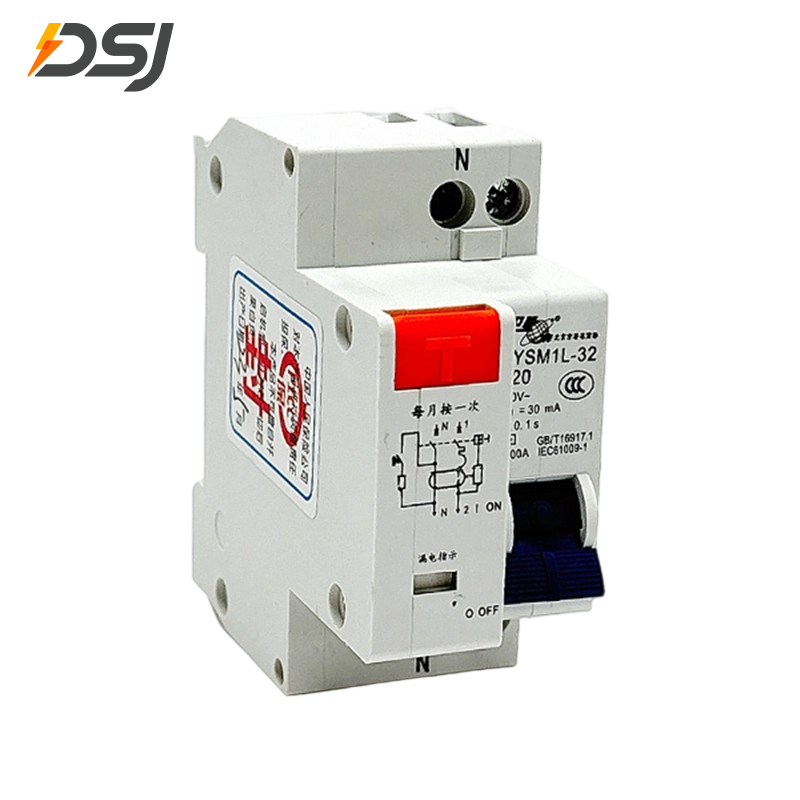
A ground fault occurs when electricity finds an unintended path to ground, often through moisture, a damaged appliance, or a wiring defect. GFCI (Ground Fault Circuit Interrupter) outlets and breakers are designed to catch these in milliseconds, tripping at as little as 5 milliamps of leakage current. If a GFCI outlet won't reset after pressing its TEST and RESET buttons, the fault condition is still present.
A failing circuit breaker can trip at loads well below its rated capacity as the internal thermal-magnetic mechanism ages and loses calibration. Breakers older than 25–30 years should be evaluated as part of any panel inspection. A breaker that trips under a load you've run without issue for years is a candidate for replacement — but the replacement must be an exact manufacturer-specified match for the panel model, not a generic substitute.
For exclusive deals and latest offers, sign up by entering your email address below.



 +86 18513032986
 FLC Center, Chaoyang District, Beijing, China
Copyright © DSJ Electrical Co., Ltd. All Rights Reserved
Power Distribution Equipment & System Manufacturer