+86 18513032986


What is a Ring Main Unit (RMU)? Ensuring Reliability in Modern Power Grids
Admin 2026-05-11In the world of medium-voltage power distribution, the Ring Main Unit (RMU) is an unsung hero. But what exactly is it, and why is it essential for urban infrastructure?
The Definition
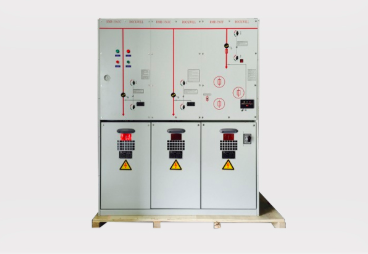
An RMU is a factory-assembled, metal-enclosed control switchgear used at the load connection points of a ring-type distribution network. It typically includes switch disconnectors, fuses, or circuit breakers, all housed in a compact, often gas-insulated (SF6) or solid-insulated tank.
How It Works: The "Ring" Advantage
Unlike a radial system where a single fault can cut off power to all downstream users, a "Ring Main" system provides two paths for power to reach the load. If a fault occurs in one section of the ring, the RMU allows the faulty section to be isolated while power is supplied through the other side of the ring. This significantly reduces downtime and increases grid reliability.
Key Benefits of RMUs:
- Compact Design: Perfect for space-constrained environments like city basements or compact substations.
- Climate Resistance: Sealed tanks protect the internal components from dust, humidity, and pollution.
- Cost-Effective: Minimal maintenance and long service life make it a smart investment for utilities.
- Safety: Integrated interlocking systems prevent operational errors, protecting both the equipment and personnel.
Whether you are designing a commercial complex or a city-wide smart grid, choosing the right RMU is critical. At DSJ, we offer a variety of RMU solutions, including SF6-insulated and environment-friendly gas-insulated options.
For exclusive deals and latest offers, sign up by entering your email address below.



 +86 18513032986
 FLC Center, Chaoyang District, Beijing, China
Copyright © DSJ Electrical Co., Ltd. All Rights Reserved
Power Distribution Equipment & System Manufacturer