+86 18513032986


RCCB vs. RCBO: What Are the Differences and Why is RCBO Essential for Power Distribution?
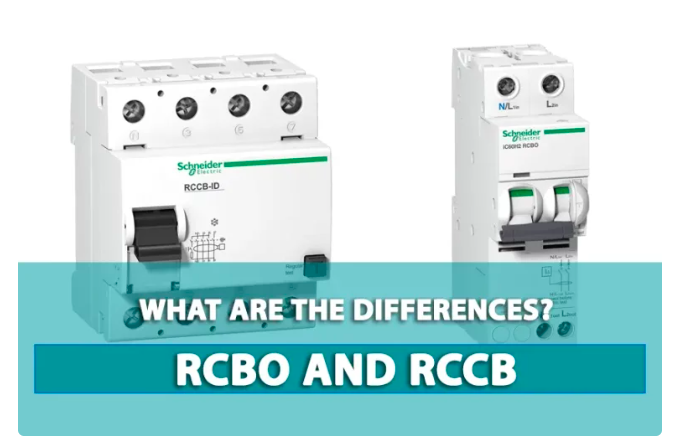
Admin 2026-05-29In the world of electrical protection, ensuring the safety of both personnel and equipment is paramount. When designing distribution cabinets or residential consumer units, two terms often come up: RCCB (Residual Current Circuit Breaker) and RCBO (Residual Current Breaker with Overcurrent Protection). While they look similar, their functions and application values differ significantly.
1. What is the Core Difference?
The primary difference lies in the scope of protection.
- RCCB: Its sole purpose is to detect earth leakage current. It protects people from electric shocks by tripping when it senses an imbalance between live and neutral wires. However, it cannot detect overloads or short circuits. It must be used in conjunction with an MCB (Miniature Circuit Breaker).
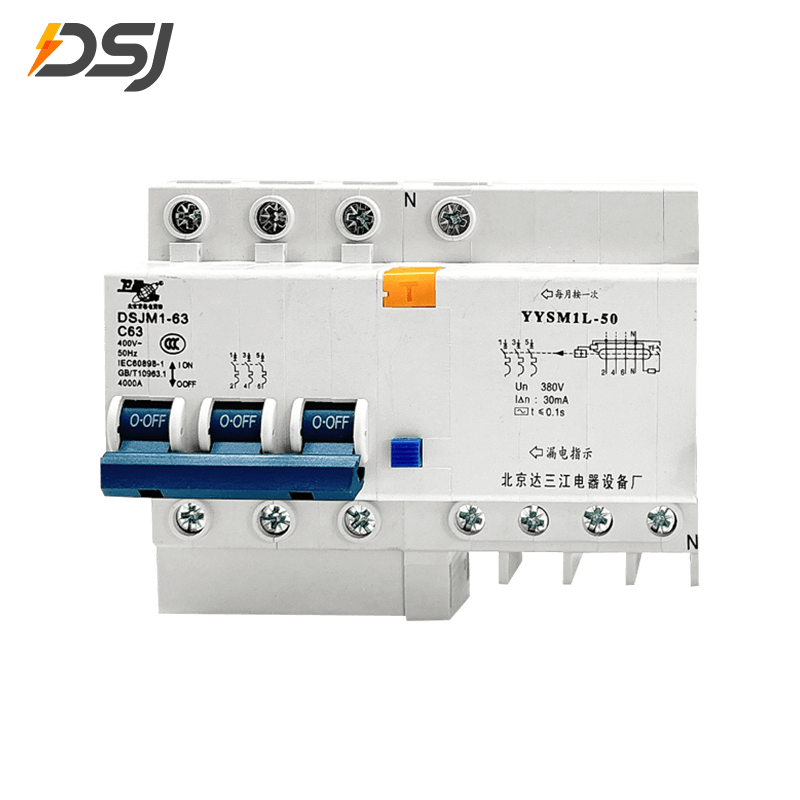
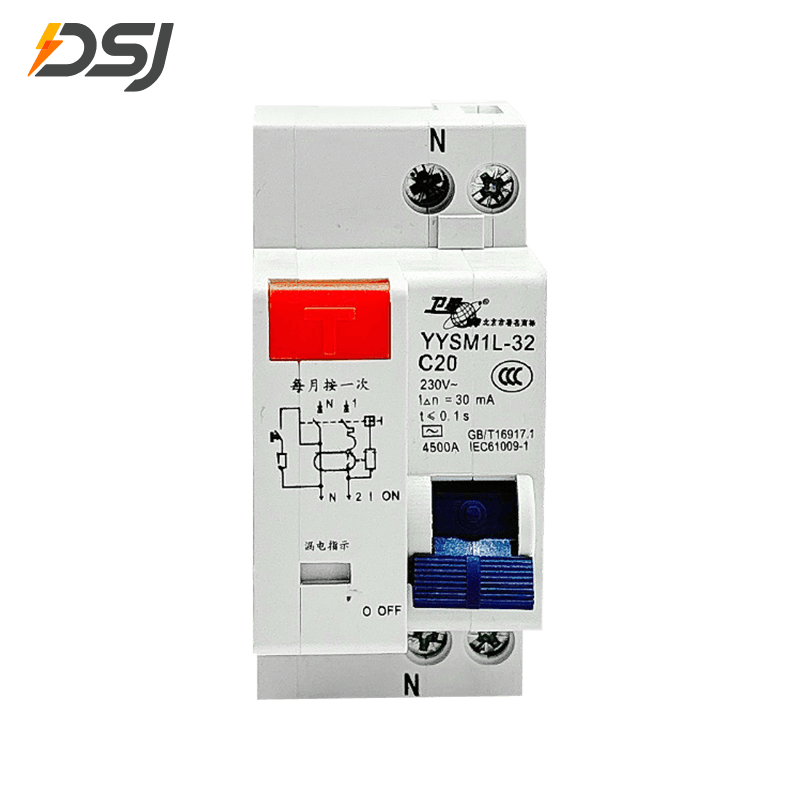
- RCBO: Think of an RCBO as a "2-in-1" device. It combines the functions of an RCCB (leakage protection) and an MCB (overload and short-circuit protection) into a single unit.
2. Why is RCBO Increasingly Important?
For modern electrical projects, especially in high-end commercial and industrial distribution cabinets, RCBOs are becoming the gold standard for several reasons:
- Space Saving: Since one RCBO does the job of two components, it significantly reduces the size of the distribution board.
- Enhanced Reliability: In an RCCB + multiple MCBs setup, a single leakage fault might trip the entire section. With individual RCBOs for each circuit, only the faulty circuit is isolated, preventing a total blackout.
- Simplified Troubleshooting: Maintenance teams can immediately identify which circuit has the fault, reducing downtime in industrial operations.
3. Key Parameters to Consider When Ordering
When sourcing RCBOs for your project, pay close attention to these parameters:
- Rated Current (In): Usually ranges from 6A to 63A.
- Sensitivity (IΔn): Typically 30mA for human safety, or 100mA/300mA for equipment protection against fire.
- Breaking Capacity (Icn): Common ratings are 6kA or 10kA. For industrial applications, 10kA is often required.
- Tripping Characteristics: Type B, C, or D depending on the load type (e.g., Type C is standard for most industrial motors).
Conclusion:
While RCCBs are cost-effective for simple setups, RCBOs offer superior safety and operational continuity. As a professional power equipment supplier, we recommend choosing RCBOs for critical infrastructure to ensure long-term reliability.
For exclusive deals and latest offers, sign up by entering your email address below.



 +86 18513032986
 FLC Center, Chaoyang District, Beijing, China
Copyright © DSJ Electrical Co., Ltd. All Rights Reserved
Power Distribution Equipment & System Manufacturer