+86 18513032986


Switchgear: The Heart of the Power System
Admin 2025-10-11Content
- 1 I.What is Switchgear?
- 2 II. What is the Function of Switchgear?
- 3 III.What are the two types of switchgear?
- 4 IV. What is the Difference Between Switchgear and Circuit Breakers?
- 5 V.What is the Difference Between Transformers and Switchgear?
- 6 VI. How to Choose Switchgear?
I.What is Switchgear?
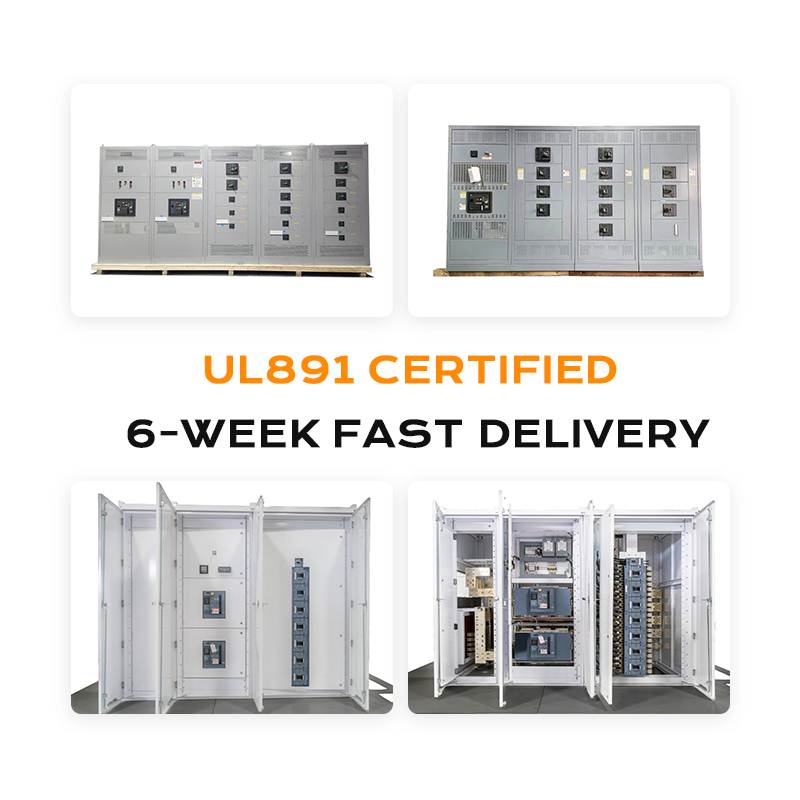
Switchgear is a critical piece of equipment in modern power systems, used for power distribution, control, and protection of grid operations. It is often likened to the "central nervous system" of the power network. A switchgear is a complete set of power distribution equipment that organically integrates primary and secondary equipment within a single metal enclosure.
1. Composition: Integration of Primary and Secondary Equipment
Primary Equipment: Responsible for the transmission and distribution of electrical energy, including core components such as circuit breakers (for opening and closing, and fault isolation), disconnectors (providing visible disconnect points for safe maintenance), load switches, busbars (for current collection and distribution), and current and voltage transformers (for measurement and protection).
Secondary Equipment: Responsible for control, measurement, and protection. It primarily includes relay protection devices (which detect anomalies and issue trip commands), measuring instruments, control switches, and signal indicators.
2. Physical Form and Application Environment
Switchgear typically takes the form of a cabinet, with a metal enclosure providing physical protection for internal components and safe isolation for operators. They are widely used in critical infrastructure applications requiring stable and efficient power supply, such as power plants, substations, industrial enterprises (such as those in the petrochemical and metallurgical industries), data centers, large commercial buildings, and rail transit.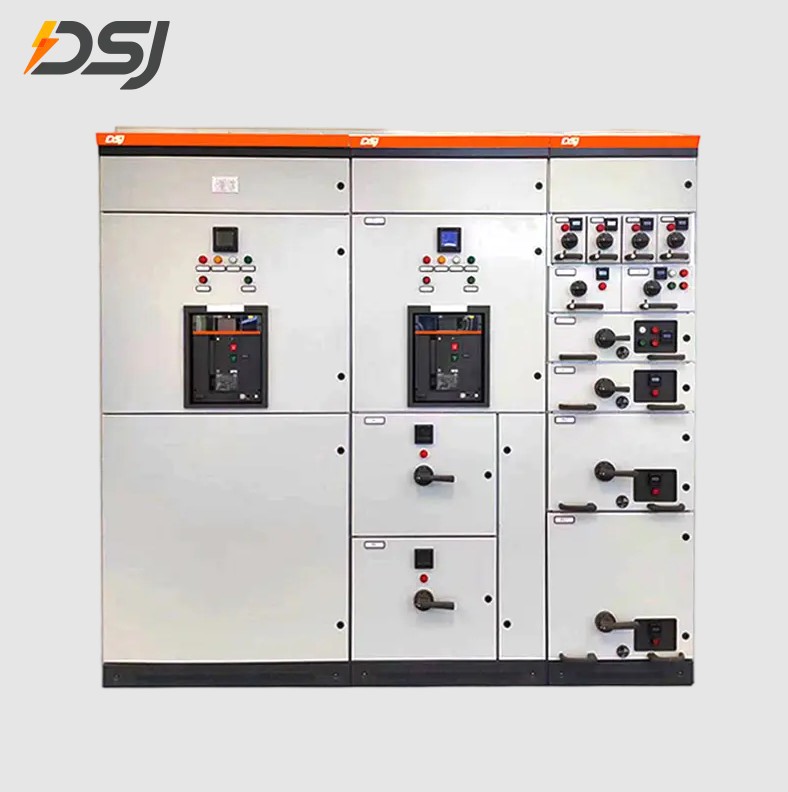
II. What is the Function of Switchgear?
Switchgear plays an irreplaceable role in power systems, ensuring their safe, reliable, and economical operation.
1. Power Distribution and Control
Switchgear distributes power from the main power source to various branch circuits and loads through its internal busbar system and feeder switches. Operators can flexibly activate or deactivate specific circuits based on power demand using load switches or circuit breakers within the switchgear, achieving flexible control of the entire distribution system.
2. Fault Protection and Rapid Isolation
This is the most critical function of switchgear. When a line short circuits, overloads, or ground faults occur, or when equipment anomalies occur (such as an internal generator fault):
- The relay protection device (secondary equipment) immediately detects the anomaly and determines the nature of the fault.
- It sends a trip command to the circuit breaker (primary equipment).
- The circuit breaker disconnects the circuit in a fraction of a second, shutting off the faulty power supply.
This rapid response and isolation mechanism maximizes the protection of expensive electrical equipment, prevents the spread of fire, and ensures continuous power supply to non-faulty areas.
3. Monitoring and Data Acquisition
The current transformers, voltage transformers, and meters within the switchgear monitor key system parameters such as voltage, current, active power, and reactive power in real time. This data is not only used for daily energy metering and system scheduling, but also serves as an important basis for condition monitoring and predictive maintenance, ensuring that power quality meets standards.
III.What are the two types of switchgear?
Based on the voltage level of the power system they serve, switchgear is generally divided into high-voltage and low-voltage switchgear. The two types differ significantly in their technical structure and application environments.
1. High-Voltage Switchgear
Voltage Level: Primarily used in power systems of 3kV and above, covering a range from several kilovolts to several hundred kilovolts.
Technical Focus: Core requirements include insulation performance, arc extinguishing capability, and explosion-proof design. Because high voltages can generate intense arcs when interrupting large currents, high-voltage switchgear must utilize advanced insulation and arc extinguishing media.
Common Types: GIS (gas-insulated switchgear, using SF6 gas), vacuum switchgear, air-insulated switchgear, etc.
Application Scenario: High-voltage outgoing lines in power plants, State Grid backbone substations, and large industrial substations.
2. Low-Voltage Switchgear
Voltage Level: Used in power systems of 1kV and below, primarily for terminal power distribution.
Technical Focus: Core requirements include refined energy distribution, convenient operation, and compact design. Due to the relatively low voltage, arc extinguishing and insulation requirements are lower than those for high-voltage systems.
Common Types: GCK, MNS, and other models of withdrawable or fixed low-voltage switchgear (distribution panels), power cabinets, lighting distribution boxes, etc.
Application Scenarios: Ground-floor distribution rooms in buildings, power distribution in factory workshops, and power supply in commercial centers.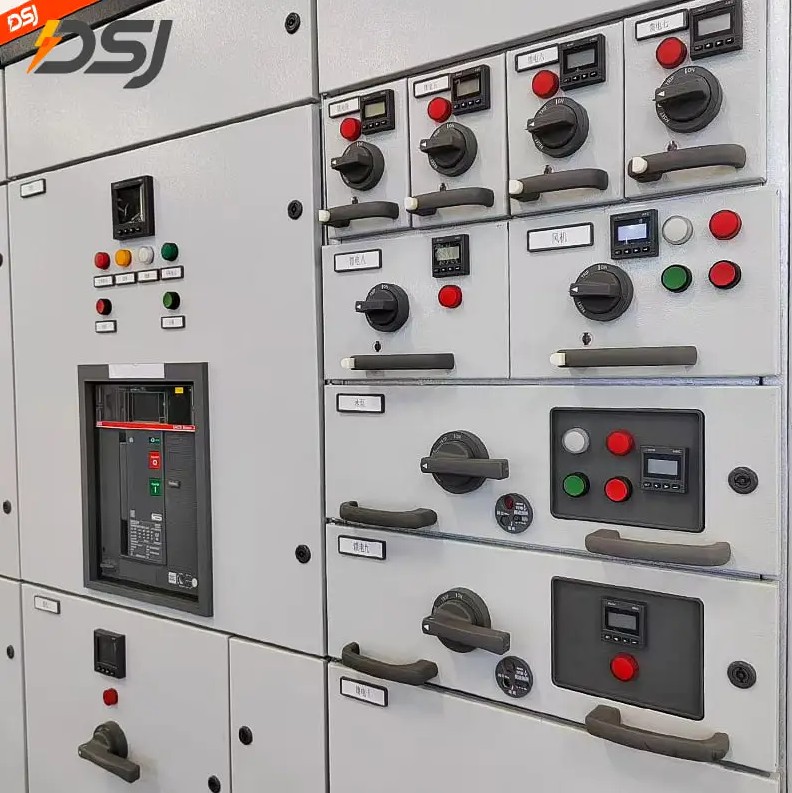
IV. What is the Difference Between Switchgear and Circuit Breakers?
Although the circuit breaker is the most important component in switchgear, there are fundamental differences between the two in terms of function, structure, and positioning.
1. Essential Difference in Positioning: System vs. Component
Switchgear is essentially a complete power distribution system, integrating multiple electrical components within a metal enclosure. It forms a complete, independently operational whole. The circuit breaker, on the other hand, is merely a key component within this switchgear system, a single device with a specific function.
2. Core Functional Difference: Centralized Management vs. Execution
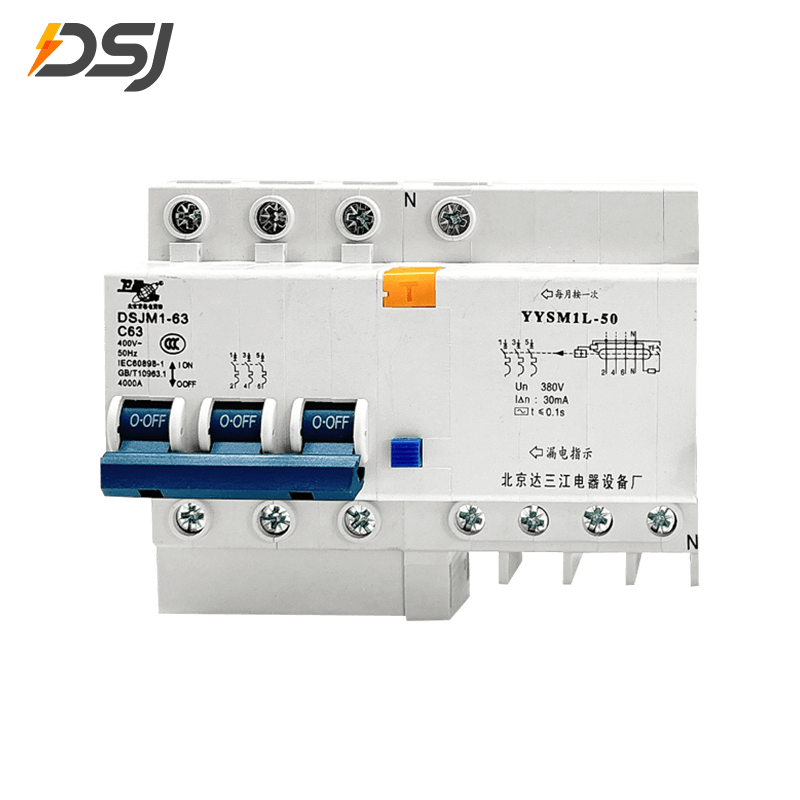
The switchgear function is centralized management, fulfilling a full range of functions, including receiving, distributing, controlling, and monitoring power. It serves as both a "decision-maker" and "manager." The core function of a circuit breaker is execution. It closes or opens the circuit during normal operation. More importantly, in the event of faults such as short circuits or overloads, it quickly and automatically interrupts the fault current, providing critical protection. The circuit breaker is the most important "executor" in the switchgear.
3. Component Structure Relationship: Containment and Containment
Switchgear has a complex structure, consisting of multiple components such as circuit breakers, disconnectors, busbars, and protective relays. The circuit breaker is an indispensable component of the switchgear and key to its protective functions. Therefore, the switchgear is the integrator, while the circuit breaker is the core executive component.
| Comparative term | Switchgear | Circuit breaker |
| Essence | A complete set of power distribution equipment (a system, a combination). | A core component (single-function device) within a switchgear. |
| Function | Combined functions: Achieve comprehensive management of power control, distribution, protection, isolation, and monitoring. | Core function: switching power on and off (normal operation) and interrupting faults (protective operation). |
| Composition | Composed of multiple components, including circuit breakers, disconnectors, busbars, protective relays, and instrumentation. | Components include contacts, an arc extinguishing chamber, and an operating mechanism. |
| Relationship | The circuit breaker is the most important "executor" and "core component" in the switchgear. | The circuit breaker is key to achieving the switchgear's protective functions. |
V.What is the Difference Between Transformers and Switchgear?
Transformers and switchgear are the two mainstays of power distribution stations. Although they often appear together, their functions and operating principles in the power system are distinct.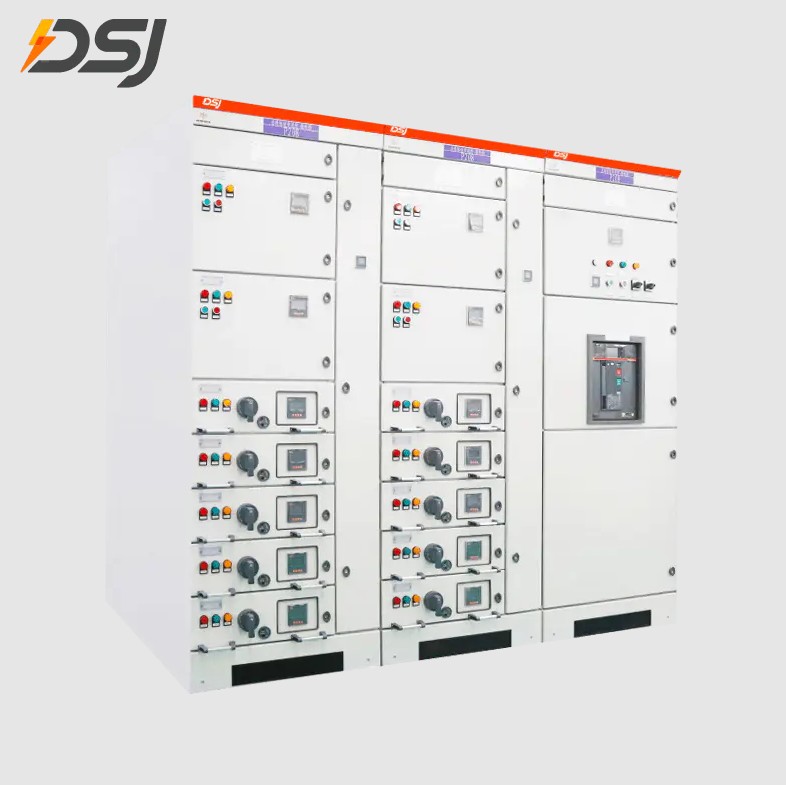
1. Fundamental Difference in Core Function: Conversion and Control
The core mission of a transformer is to convert electrical energy. It operates based on the principle of electromagnetic induction. Its primary function is to step up or down the voltage of alternating current (AC) from one level (e.g., high voltage) to another (e.g., low voltage) to meet transmission or consumption needs. Transformers themselves do not possess control or protection functions.
Switchgear, on the other hand, has a core mission of control and protection. It acts as a "traffic controller" and "safety guard" for the power system, managing the flow of electrical energy and distributing it to different loads. In the event of a system fault, it quickly isolates the faulted area to protect equipment and personnel.
2. Differences in Physical Principles and Structures
Transformers primarily operate based on the principle of electromagnetic induction. Their primary structure consists of an iron core and windings (coils), which change voltage through magnetic field coupling. Their operation is a continuous, static electromagnetic process.
Switchgear, on the other hand, relies on electromagnetic control and mechanical operation. It integrates complex mechanical and electrical components such as circuit breakers and disconnectors, using operating mechanisms to open and close circuits.
3. Position and Relationship in the System
Transformers are the foundation for achieving voltage level changes. Switchgear is installed closely around the transformer, typically on its high-voltage side (receiving high-voltage incoming power and protecting the transformer) and its low-voltage side (distributing the converted low-voltage power to various branches). Simply put, the transformer provides power in the proper form, while the switchgear ensures the safe and stable flow of power.
These two devices are interdependent and indispensable. The transformer provides the power necessary for distribution, while the switchgear ensures the reliability and controllability of the entire power supply process.
| Comparison Items | Switchgear | Transformer |
| Core Functions | Control and Protection: Manages the flow of electrical energy and disconnects circuits in the event of a fault. | Electric energy conversion: changes the voltage and current of alternating current (AC), but not the frequency. |
| Physical Principles | Based on electromagnetic control and mechanical operation. | Based on the principle of electromagnetic induction. |
| Image of Functions | It serves as both a "traffic controller" and "safety guard" for electrical current. | It acts as a voltage level regulator. |
| Relationships | Switchgear is installed on the high-voltage (incoming) and low-voltage (outgoing) sides of a transformer to protect the transformer and distribute converted electrical energy. | Transformers are the foundation of power distribution in switchgear. Without transformers, electrical energy cannot be converted to the appropriate voltage level for distribution in the switchgear. |
VI. How to Choose Switchgear?
As the core control and protection equipment of the power system, the quality of switchgear selection directly impacts the reliability and long-term operating costs of the entire distribution network. Faced with the wide variety of high-voltage and low-voltage switchgear on the market, purchasers need to master a scientific evaluation method.
1. Safety Assessment: The First Line of Defense for Life and Assets
1.1. Internal Arc Protection (Arc Fault Protection)
Focus: Internal arcing is the most dangerous failure mode in switchgear. High-quality switchgear should have an effective arc protection design.
Key Points for Selection: Confirm whether the product complies with relevant internal arc test standards (such as IEC 62271-200) and inquire about the manufacturer's safety measures, such as pressure relief ducts, current limiting technology, and whether arc protection devices are equipped, which can detect and interrupt fault currents in milliseconds.
1.2. Isolation and Interlocking Mechanisms
Focus: Ensure safety during maintenance.
Key Points for Selection: Whether trolley-mounted or fixed-mount switchgear, it must have reliable mechanical and electrical interlocking functions to prevent accidental operation while energized. For example, maintenance personnel must be unable to open the switch door if the switch is open, or the circuit breaker must be unable to operate if the grounding switch is closed.
2. Reliability and Performance: Ensuring Long-Term Stable Operation
The long-term reliability of switchgear is critical to ensuring continuous power supply to the distribution system.
2.1. Quality and Lifespan of Core Components
Focus: The circuit breaker is the "heart" of the switchgear.
Key Points for Selection: Detailed information on the brand, type, mechanical, and electrical lifespan of core components such as circuit breakers and disconnectors. For example, the number of mechanical operations and short-circuit current interrupting capacity of a vacuum circuit breaker (VCB) are important indicators of its reliability. High-quality components mean longer maintenance-free periods and lower failure rates.
2.2. Environmental Adaptability
Focus: The operating environment of switchgear may include high altitudes, high humidity, high pollution, or extreme temperatures.
Key Points for Selection: Check the switchgear's IP rating and the corrosion and condensation resistance of the materials. For example, in humid areas, medium-voltage switchgear with gas-filled (GIS) or solid insulation may be more reliable than air-insulated versions.
3. Structure and Maintenance Cost: Considering Operational Efficiency
When selecting switchgear, consider not only the initial investment cost but also the ease of ongoing maintenance and operational efficiency.
3.1. Cabinet Structure Selection: Cart-Type vs. Fixed-Type
Cart-type (withdrawable) switchgear: Advantages include ease of maintenance and repair. Faulty trolleys can be quickly replaced or repaired without interrupting the main busbar power supply, significantly reducing downtime. However, the initial purchase cost is relatively high.
Fixed-type switchgear: Compact and low-cost. However, maintenance requires a power outage, which can be time-consuming.
Selection Recommendation: For locations with extremely high power outage costs and high reliability requirements (such as data centers and large hospitals), a cart-type is recommended. For locations with minimal load fluctuations and low sensitivity to power outages, a fixed-type can be considered.
3.2. Floor Space and Heat Dissipation Design
Focus: Space in urban power distribution rooms is limited.
Key Selection Points: Choosing compact switchgear helps save floor space. Also, evaluate the cabinet's heat dissipation performance. Good heat dissipation design ensures that internal components do not overheat at rated operating current, extending equipment life.
4. Technological Foresight: Embrace Smart Switchgear
Looking to the future, smart switchgear has become a mainstream industry trend, bringing unprecedented operational and maintenance benefits to users.
4.1. Digitalization and Condition Monitoring
Core Advantages: Smart switchgear with real-time condition monitoring capabilities, through integrated sensors and communication modules, can monitor parameters such as temperature, humidity, vibration, and partial discharge.
Selection Recommendation: Prioritize products that support industrial communication protocols (such as IEC 61850). This digitalization enables predictive maintenance, preventing equipment failures before they occur and reducing operating costs by up to $30%.
4.2. Environmental Protection and Sustainability
Focus: Complying with environmental regulations.
Key Selection Considerations: Focus on new SF6-free insulation technologies. With global restrictions on greenhouse gas emissions, environmentally friendly switchgear with vacuum or solid insulation is a better choice for long-term investment.
For exclusive deals and latest offers, sign up by entering your email address below.



 +86 18513032986
 FLC Center, Chaoyang District, Beijing, China
Copyright © DSJ Electrical Co., Ltd. All Rights Reserved
Power Distribution Equipment & System Manufacturer