+86 18513032986


What is a circuit breaker?
Admin 2025-10-11Content
- 1 The Core Function of a Circuit Breaker: Interruption and Protection
- 2 How a Circuit Breaker Works
- 3 Common Types of Circuit Breakers
- 4 Why choose high-quality circuit breakers?
- 5 How to replace a circuit breaker?
- 6 How to Test a Circuit Breaker?
- 7 Why does my circuit breaker keep tripping?
A circuit breaker is a crucial protective device in modern electrical systems, ensuring electrical safety and the proper functioning of equipment. While many may view it as a humble switch in a distribution box, its role goes far beyond that.
The Core Function of a Circuit Breaker: Interruption and Protection
Simply put, a circuit breaker is a mechanical switching device that can close and open, carry and interrupt current under normal circuit conditions, and carry, interrupt, and close current under specified abnormal circuit conditions within a specified timeframe.
Its core functions are reflected in two aspects:
- Normal Operation: Under normal operating conditions, a circuit breaker acts as a switch, allowing manual connection and disconnection of circuits.
- Fault Protection: This is the circuit breaker's most important function. When a fault occurs in a circuit, such as an overload (current exceeding a safe value) or a short circuit (a sudden surge in current), the circuit breaker automatically and quickly interrupts the fault current, preventing overheating and fire in the wiring and protecting downstream electrical equipment from damage.
How a Circuit Breaker Works
When a fault current appears in a circuit, the circuit breaker's internal tripping mechanism activates immediately. This tripping mechanism is typically based on thermal and electromagnetic effects:
- Thermal tripping: Used for overload protection. When the current exceeds the specified value for a sustained period, the bimetallic strip is heated and bends, triggering the tripping mechanism.
- Electromagnetic tripping: Used for short-circuit protection. When the current suddenly increases, the strong electromagnetic force generated instantly activates the tripping mechanism, achieving rapid disconnection.
Circuit breakers generate arcs when interrupting high currents. Advanced circuit breakers are designed with arc extinguishing devices to quickly extinguish the arc and ensure safety.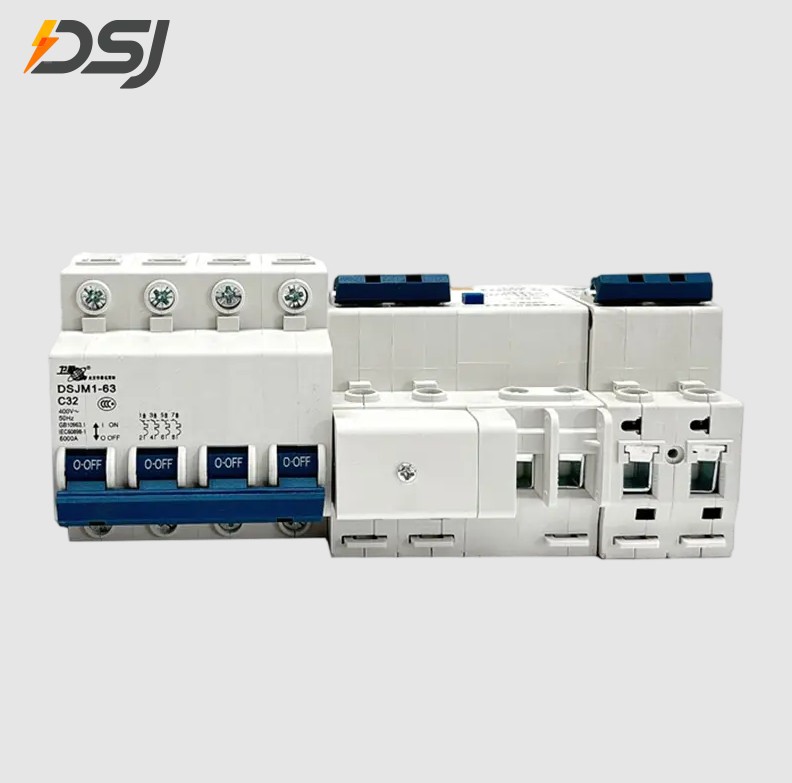
Common Types of Circuit Breakers
There are various types of circuit breakers, depending on their application and interrupting capacity. Common types include:
- Miniature Circuit Breakers (MCBs): Commonly used for end-of-line circuit protection in homes and small commercial locations.
- Molded Case Circuit Breakers (MCCBs): Suitable for industrial and commercial power distribution systems with higher currents.
- Actuator circuit breakers (ACBs): Commonly used on incoming and main lines in power distribution systems, they offer extremely high breaking capacity.
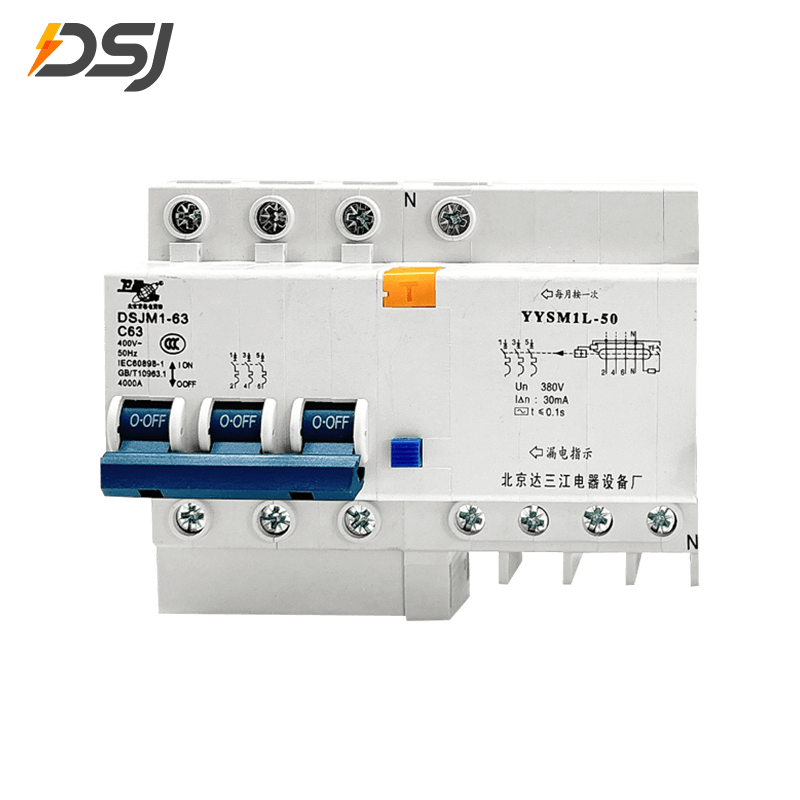
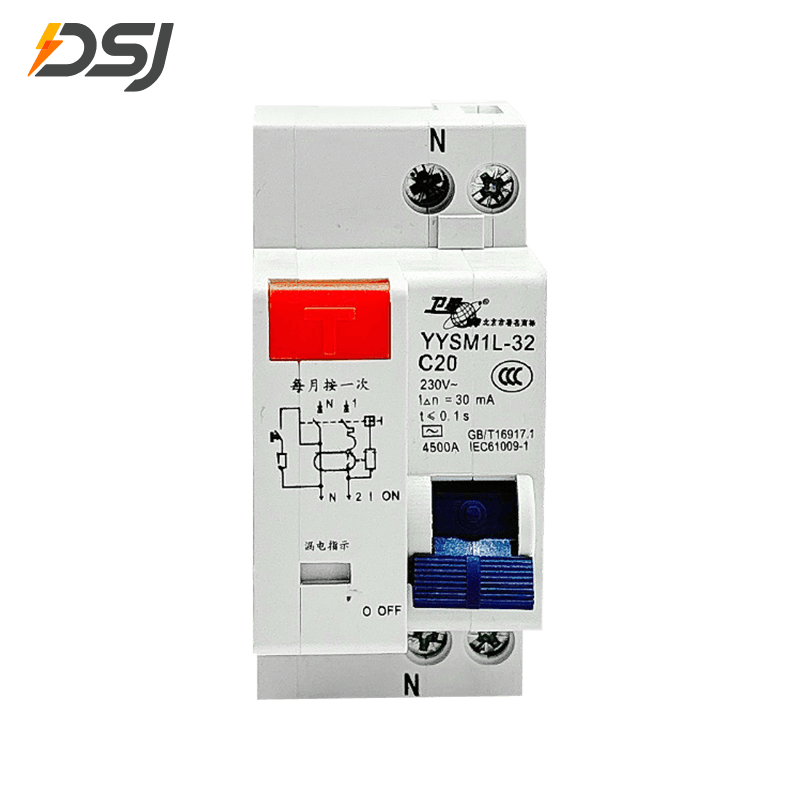
- Residual current circuit breakers (RCDs/RCBOs): While providing overload and short-circuit protection, they can also detect potential electric shock or equipment leakage fault currents and quickly disconnect power, significantly enhancing electrical safety.
Why choose high-quality circuit breakers?
Selecting and using high-quality circuit breakers is crucial for ensuring production and daily safety. A reliable circuit breaker ensures quick and reliable disconnection in critical situations like overloads and short circuits, preventing fires and equipment damage. It's more than just a simple switch; it's an essential core protection component in modern electrical safety systems.
How to replace a circuit breaker?
Replacing a circuit breaker is a serious electrical safety task. As the core protection component in an electrical system, a circuit breaker is responsible for automatically disconnecting the circuit in the event of a fault like an overload or short circuit. If you determine your home circuit breaker is faulty or needs an upgrade, understanding the correct replacement process is crucial.
Important: Unless you possess specialized electrical knowledge and experience, it is strongly recommended that you hire a qualified electrician to replace and install the circuit breaker to ensure personal safety and the stability of the electrical system.
Step 1: Completely disconnect the power supply—safety is paramount.
Before performing any work related to the circuit breaker, safety must be your top priority.
- Locate the main power switch: Determine the location of your electrical box (also known as the distribution panel).
- Main disconnect: Locate the main circuit breaker (usually the largest, top-mounted switch) and turn it to the "OFF" position. This will shut off power to the entire house or area, ensuring you will not receive an electric shock when operating the faulty circuit breaker.
- Confirm the power is off: Use a voltage tester (such as a non-contact tester) to test the circuit breaker you plan to replace and its terminals to confirm that there is no voltage.
Step 2: Remove the faulty circuit breaker
Once you have confirmed that the power is off, you can begin removing the faulty circuit breaker.
- Remove the panel: Carefully open or remove the front cover of the distribution box to access the circuit breaker and wiring inside.
- Disconnect the load wires: Using suitable insulated tools, loosen and carefully remove the wires from the load side of the faulty circuit breaker. Be sure to note or mark the location of each wire.
- Remove the circuit breaker: Most modern circuit breakers have a snap-on design. You will need to use force to pull them from the busbar or release the snaps.
Step 3: Install the new circuit breaker
The new circuit breaker must match your electrical system requirements, including the current rating (amperage) and type (such as single-pole, double-pole, AFCI, or GFCI breaker).
- Connect the load wires: Reconnect the previously removed load wires to the corresponding terminals on the new circuit breaker, ensuring that the screws are securely in place and provide good contact.
- Install the circuit breaker: Securely snap the new circuit breaker onto the busbar in the distribution box. Ensure that it maintains firm contact with the busbar; this is critical for proper current flow.
Step 4: Restore power and test
After all wiring and installation work is complete, perform a final safety check.
- Restoring the Panel: Replace the front cover of the distribution box.
- Restoring Power: Gently close the main circuit breaker to restore power to the entire electrical system.
- Testing the New Circuit Breaker: Turn the newly installed circuit breaker to the "ON" position and check that the devices on the circuit it controls are functioning properly.
Replacing a circuit breaker may seem simple, but it involves working with high voltage, and any negligence can have serious consequences. For the sake of electrical safety and system protection, proceed with caution or seek professional assistance.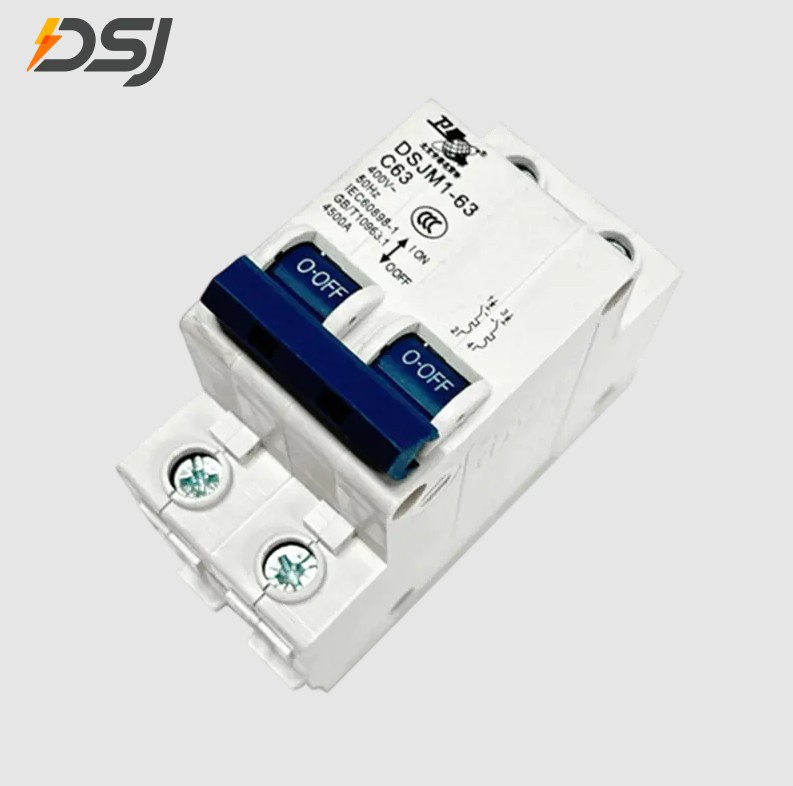
How to Test a Circuit Breaker?
Circuit breakers are critical electrical safety devices, and their reliability is directly related to their ability to protect against overloads and short-circuit faults. Whether performing routine maintenance or suspecting a circuit breaker failure, proper testing methods are essential to ensuring the proper operation of the electrical system.
Why Test a Circuit Breaker?
Over time, a circuit breaker's internal mechanical components, contacts, or trip mechanism may age or become damaged, preventing it from interrupting the circuit in the event of a fault current, rendering it ineffective in providing protection. Testing a circuit breaker regularly or when signs of a fault appear is an effective way to assess its performance and continuity.
Common Circuit Breaker Testing Methods
Circuit breaker testing is generally divided into two categories: continuity testing and functional testing (such as a trip test).
Method 1: Static Continuity Testing (Evaluating the Health of Circuit Breaker Contacts)
This method primarily verifies whether the contacts inside the circuit breaker can properly complete the circuit.
Safety First: Before testing, locate the main switch in the distribution box and completely shut off the power to ensure absolute safety.
Tools: Use a multimeter with an ohm (Ω) setting.
Testing Steps:
- Turn the circuit breaker handle to "ON."
- Set the multimeter to the ohm setting.
- Touch the two test leads of the multimeter to the incoming (power side) and outgoing (load side) lugs of the circuit breaker.
- Verification Reading: If the circuit breaker's internal contacts are functioning properly, the multimeter should display a resistance close to 0Ω or very low. If it displays "OL" or a very high resistance, the contacts may be faulty.
Method 2: Functional Test - "TEST" Button (for Residual Current Circuit Breakers)
For circuit breakers with residual current protection (such as RCDs or RCBOs), the manufacturer typically includes a "TEST" button to verify the residual current tripping function.
- Preparation: Ensure the circuit breaker is in the "ON" position and the circuit is energized.
- Testing: Use a non-metallic tool to press the "TEST" button on the circuit breaker.
- Verification: If the circuit breaker immediately trips to the "OFF" position, the residual current protection function is functioning properly. If not, it may be faulty and must be replaced.
Professional Testing and Conclusion
For high-breaking capacity, large industrial circuit breakers, or when testing trip curves, specialized testing equipment and personnel are required. Regular inspection and maintenance are essential. If you suspect a malfunction, consult a professional electrician.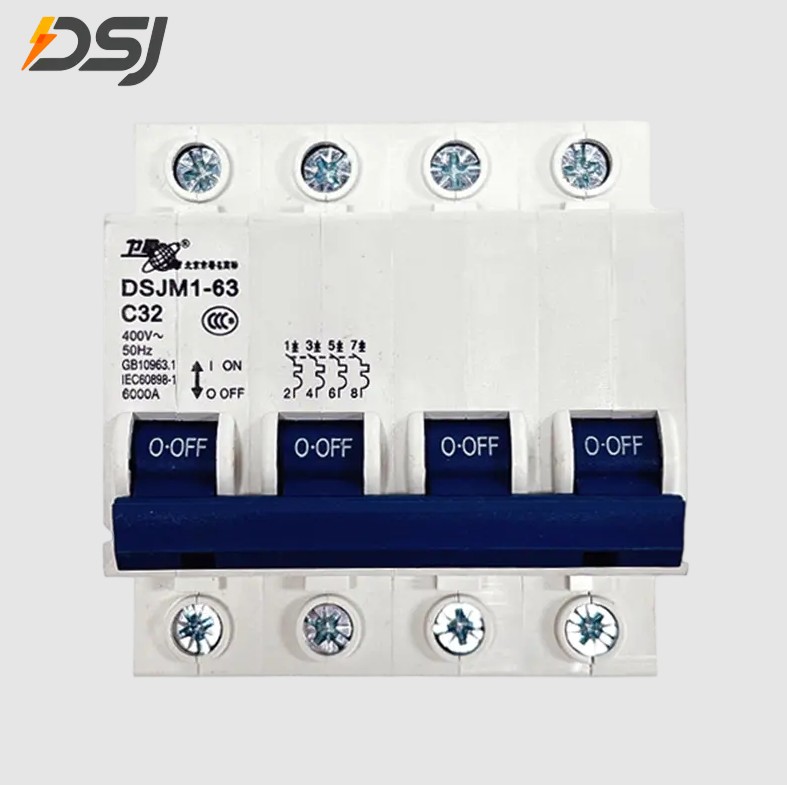
Why does my circuit breaker keep tripping?
When your circuit breaker trips frequently, it's more than just a minor inconvenience; it's a serious electrical system warning. Circuit breakers are designed to protect electrical circuits, and their automatic tripping indicates they have detected a dangerous condition.
Core Cause 1: Circuit Overload
This is the most common reason for a circuit breaker trip.
Core Cause 2: Short Circuit
A short circuit instantly generates a large fault current and is very dangerous.
Core Cause 3: Ground Fault
Occurs when current flows to ground through an unintended path, often detected by RCD/GFCI breakers.
Core Cause 4: Circuit Breaker Fault
If the breaker trips frequently even under normal load, it may be faulty or aged and should be replaced.
The core function of a circuit breaker is to provide conduction and opening/closing control during normal circuit operation. More importantly, in the event of faults such as overload, short circuit, or leakage, it quickly interrupts the fault current through thermal or electromagnetic tripping mechanisms, effectively protecting wires from burning, preventing equipment damage, and minimizing the risk of fire and electric shock. Whether it's a miniature circuit breaker in a household distribution box or a large frame circuit breaker in an industrial electrical system, its reliability, proper installation, and testing are crucial to ensuring the stability of the entire electrical system and the safety of personnel.
For exclusive deals and latest offers, sign up by entering your email address below.



 +86 18513032986
 FLC Center, Chaoyang District, Beijing, China
Copyright © DSJ Electrical Co., Ltd. All Rights Reserved
Power Distribution Equipment & System Manufacturer