+86 18513032986


What are transformers used for?
Admin 2025-10-24Content
Power plants continuously output high-voltage electricity. For it to reach millions of homes and power various electrical appliances safely and efficiently, it must pass through a crucial stage. This process relies on core equipment in the power system, ensuring that the electricity is accurately converted and transmitted, ultimately serving end users safely.
Transformers: The "Step-Up" and "Step-Down" Devices of Power Transmission
The core function of a transformer is to convert alternating current (AC) voltage, which makes long-distance transmission possible and ensures the safety of end-users.
The Key to Efficient Power Transmission: Voltage Boosting
When electricity is transmitted over long distances, energy (heat) is lost due to conductor resistance. According to physical principles, for a constant power output, higher voltages result in lower currents, thus reducing transmission losses. At power plants, large transformers (such as step-up transformers) step up the relatively low voltage generated by generators to extremely high voltages (e.g., hundreds of thousands of volts), minimizing energy waste along the transmission lines and improving transmission efficiency.
Ensuring Safe Electricity Use: Voltage Reduction
Although high-voltage electricity is suitable for long-distance transmission, it is extremely dangerous when it enters homes or factories directly, potentially damaging electrical appliances. Near users (such as in urban suburbs or residential communities), another set of transformers (such as distribution transformers) gradually reduces the high voltage, ultimately reducing it to safe voltages for residential or industrial use (such as 220V in my country or 380V in factories), ensuring safe electricity use.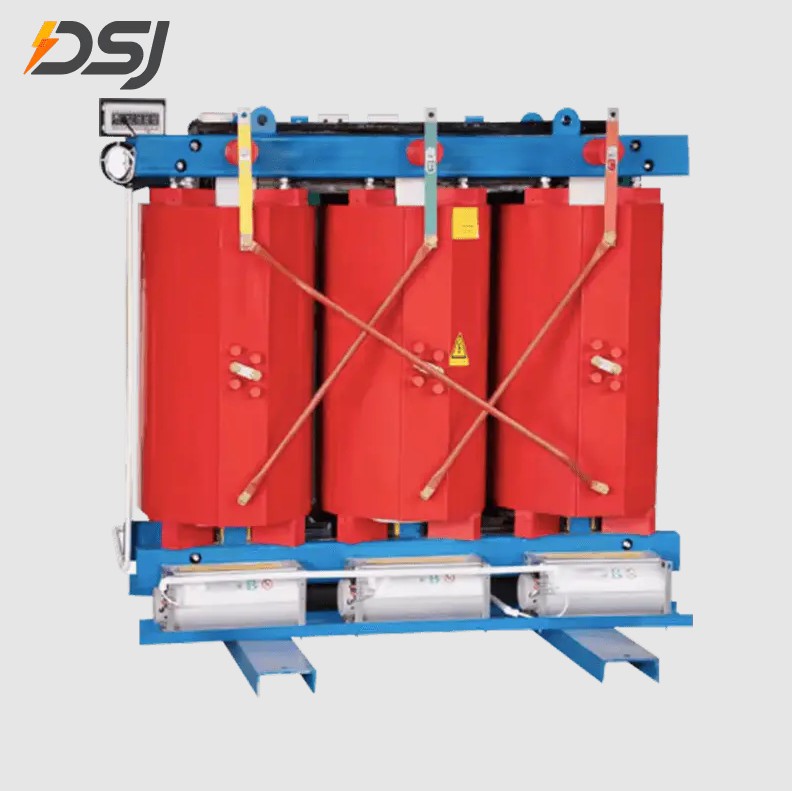
Transformer Applications and Related Equipment
Transformers are used far beyond large-scale power transmission. They permeate every aspect of the power system and come in various forms:
- Power systems: These include booster stations, main grid transmission, regional substations, and distribution networks, and are the cornerstone of the stable operation of the national power grid. Transformers (such as oil-immersed transformers and dry-type transformers) are key equipment in these systems.
- Industrial and Commercial: Factories and large shopping malls require transformers to convert incoming high-voltage electricity to voltages suitable for production machinery and lighting systems.
- Electronic Equipment: Small transformers (such as power transformers and isolation transformers) are integrated into various electrical appliances and adapters to match the voltage required by circuit boards and also provide isolation and protection.
- New Energy: Wind power and solar photovoltaic power plants also require specialized transformers (such as box-type transformers) to connect the generated power to the grid.
Transformer Types and Development Trends
Transformers are classified in various ways based on their purpose and structure. For example, dry-type and oil-immersed transformers are common. Oil-immersed transformers, which use insulating oil for heat dissipation and insulation, typically offer large capacity and excellent heat dissipation, and are often used in large outdoor substations.
Dry-type transformers, on the other hand, do not use insulating oil, offer superior fire resistance and low noise levels, making them commonly used in high-rise buildings, shopping malls, and densely populated indoor locations. There are also specialized transformers that serve specific industrial needs, such as furnace transformers and rectifier transformers. With the advancement of power technology, "smart transformers" have become an industry hotspot. These transformers integrate sensors and communication technologies, enabling real-time monitoring of their own status and grid data, significantly improving grid reliability and reducing the cost and difficulty of routine maintenance.
Transformers are crucial hubs in modern power systems. They precisely regulate voltage, ensuring that electricity can be transmitted from remote power plants to every corner of the world using it in the most efficient and safe manner.
For exclusive deals and latest offers, sign up by entering your email address below.



 +86 18513032986
 FLC Center, Chaoyang District, Beijing, China
Copyright © DSJ Electrical Co., Ltd. All Rights Reserved
Power Distribution Equipment & System Manufacturer