+86 18513032986


What is a Low-Voltage Switchgear?
Admin 2025-12-26Content
In modern power systems, low-voltage switchgear is a core piece of equipment ensuring safe and efficient power distribution. Whether in large factories, commercial buildings, or residential communities, low-voltage switchgear plays the role of a "power distribution hub."
I. Definition of Low-Voltage Switchgear
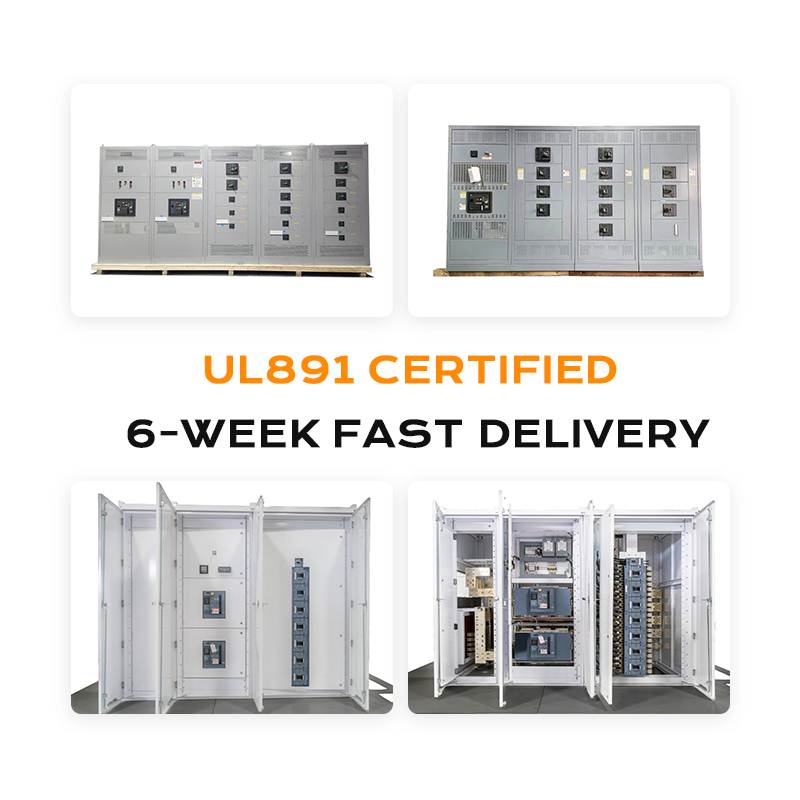
A low-voltage switchgear is a complete set of equipment assembled in a metal cabinet according to a specific wiring scheme for circuits with AC voltage below 1000V and DC voltage below 1500V.
Its main functions are power distribution, control, metering, and circuit protection in the power system. When an overload, short circuit, or leakage fault occurs in the line, the low-voltage switchgear can quickly cut off the power supply, protecting the safety of electrical equipment and personnel.
II. Core Classifications of Low-Voltage Switchgear
Based on different structural forms and application scenarios, low-voltage switchgear is mainly divided into the following common types:
1. Fixed Low-Voltage Switchgear
Main models include GGD. Its internal components are fixedly installed, resulting in a simple structure and lower cost. Although maintenance requires power outages and flexibility is slightly lower, its high reliability makes it suitable for distribution rooms where continuous power supply requirements are not extreme.
2. Drawer-Out Low-Voltage Switchgear (Drawer Cabinet)
Main models include GCK, GCS, and MNS. Components in this type of cabinet are installed in movable "drawers," offering extremely high interchangeability and safety.
Advantages: During maintenance, only the drawer needs to be pulled out, eliminating the need for a complete power outage, significantly shortening fault repair time.
Applications: Widely used in petrochemical plants, power plants, high-rise buildings, and other locations with extremely high power supply reliability requirements.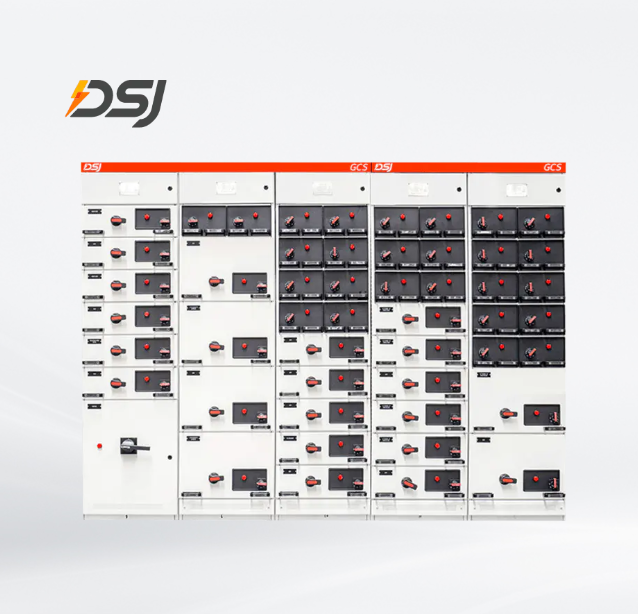
3. Capacitor Compensation Cabinet
Specifically designed to improve the power factor of the power system, reduce reactive power losses, and achieve energy conservation and consumption reduction.
III. Key Components of Low-Voltage Switchgear
A high-quality low-voltage switchgear typically consists of the following core components:
- Rack Housing: Usually made of cold-rolled steel plate or aluminum-zinc coated steel plate, providing physical protection.
- Circuit Breaker (ACB/MCCB): Responsible for connecting and disconnecting current, acting as the "gate" for circuit protection.
- Bus System: Serves as the main channel for current transmission, connecting various functional units.
- Instrument Transformers and Meters: Used for real-time monitoring of data such as current, voltage, and electricity consumption.
- Control Circuit: Enables automated control and remote communication functions.
IV. Why is Low-Voltage Switchgear So Important?
Safety Protection: The enclosed metal structure effectively prevents electric arc injuries and short circuits caused by foreign objects.
Power Distribution Efficiency: Optimizes power distribution, ensuring that high-power equipment and lighting systems do not interfere with each other.
Intelligent Management: Modern low-voltage switchgear integrates Internet of Things (IoT) technology, enabling remote monitoring and early warning, moving towards the era of "intelligent power distribution."
V. Selection and Maintenance Recommendations
When selecting low-voltage switchgear, focus should be placed on the product's 3C certification, rated current carrying capacity, and the cabinet's protection rating (IP rating). Regular dust removal, contact tightening, and opening/closing tests are crucial for extending switchgear life and preventing electrical fires.
As a critical link in the final distribution of power systems, technological advancements in low-voltage switchgear directly impact the quality of electricity supply to society.
For exclusive deals and latest offers, sign up by entering your email address below.



 +86 18513032986
 FLC Center, Chaoyang District, Beijing, China
Copyright © DSJ Electrical Co., Ltd. All Rights Reserved
Power Distribution Equipment & System Manufacturer